1. Common Types of Rental Apartments in the U.S.
Rental markets in the U.S. offer a variety of apartment types depending on your needs. Below are the most popular types of apartments to choose from:
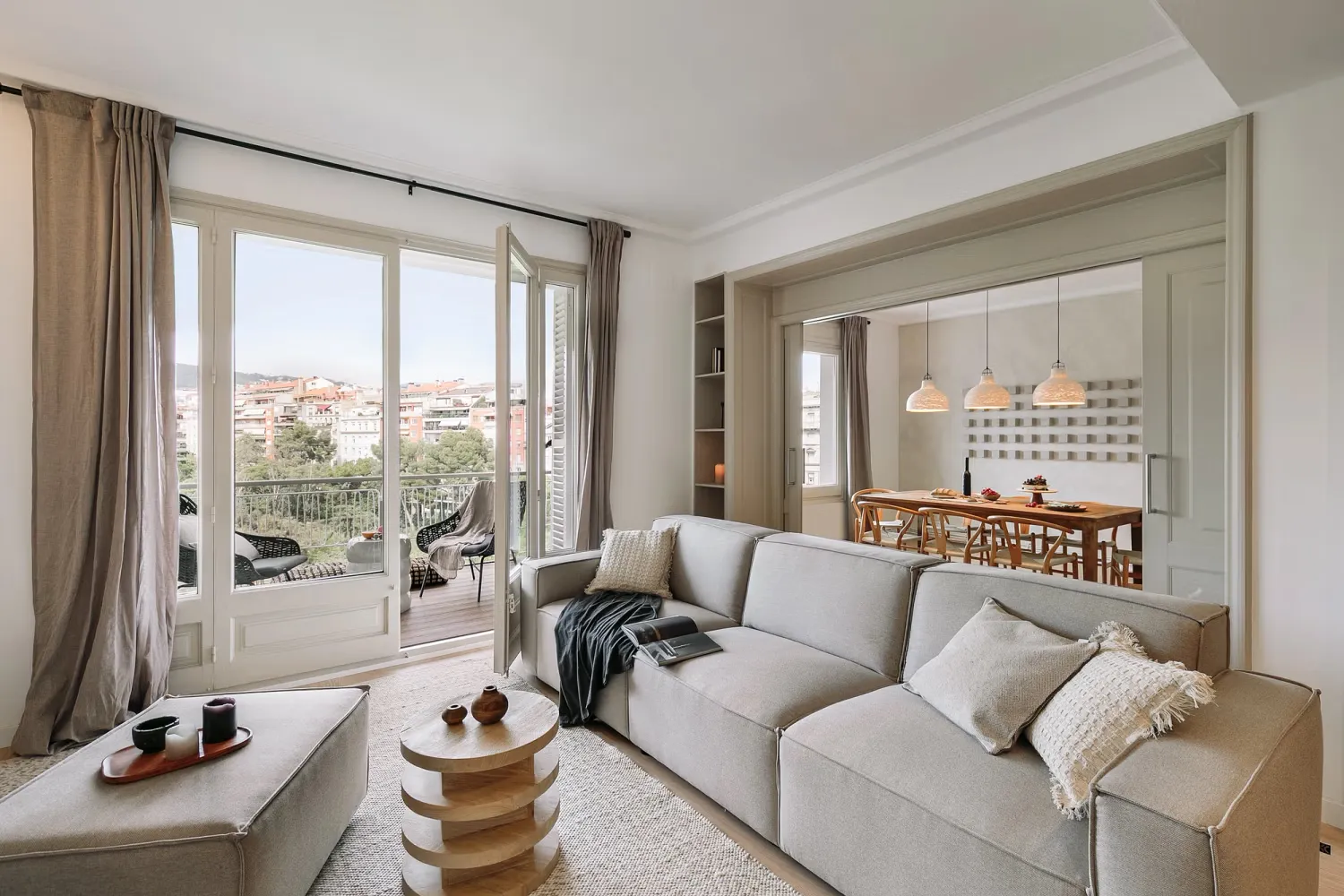
1.1 Studio Apartments
- Layout: Open space that combines the bedroom, living room, and kitchen, with a separate bathroom.
- Best for: Single individuals, students, or anyone on a budget looking for lower maintenance costs.
- Average Rent: $800 to $2500 per month, depending on the city (e.g., Austin: $1200, New York City: $2300).
1.2 One-Bedroom or Two-Bedroom Apartments
- Layout: One or two separate bedrooms, living room, kitchen, and bathroom. Two-bedroom units may have an additional bathroom or walk-in closet.
- Best for: Couples, small families, or roommates sharing expenses.
- Average Rent: $1,100 to $3,800 per month (e.g., Chicago: $1500 for one-bedroom, Los Angeles: $3200 for two-bedroom).
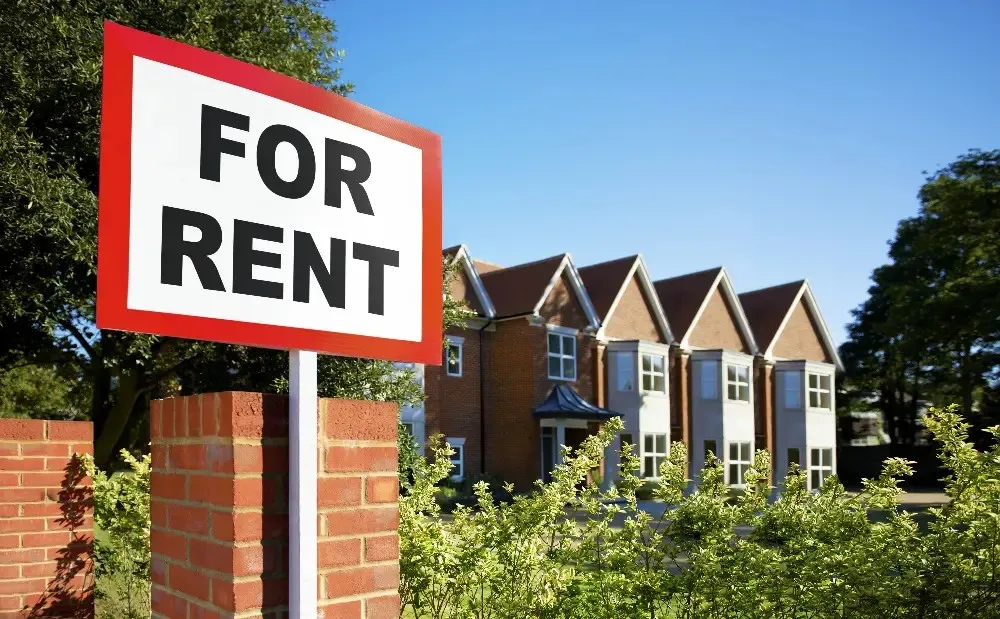
1.3 Townhomes and Duplex Homes
- Layout: Multi-story homes (usually 2-3 levels) with a separate entrance, yard, or garage. Duplex homes share one wall with a neighbor; townhomes may share two walls.
- Best for: Families or tenants seeking more space and privacy than typical apartments.
- Average Rent: $1,500 to $4,500 per month (common in suburban areas like Atlanta or Denver).
1.4 Luxury Apartments
- Features: High-end amenities such as 24-hour security, fitness centers, rooftop pools, in-unit washers/dryers, and concierge services.
- Best for: Professionals seeking convenience and top-tier amenities.
- Average Rent: $2,500 to $6,000+ per month (common in cities like San Francisco or Miami).
2. Best U.S. Cities to Rent a House: Trends and Rent Overview
Rental markets vary widely by city. Below is an overview of rent prices and what makes certain cities desirable for renters:
| City | Average Rent for 1-Bedroom | Key Features | Best for |
|---|---|---|---|
| New York City | $3500 | Smaller units, walkable neighborhoods, high demand | Young professionals, creatives |
| Los Angeles | $2800 | Spacious units, car-dependent, warm climate | Families, remote workers |
| Chicago | $1800 | Affordable urban living, lake views | Students, young couples |
| Austin | $1600 | Rapid growth, pet-friendly, outdoor culture | Tech workers, millennials |
| Seattle | $2200 | Rainy climate, nature-centric, tech hub | Professionals, nature lovers |
Tip: Use platforms like Zumper or Rent.com to check real-time rental prices in your target city. Rent in high-demand areas may increase by 5%-10% annually.
3. Steps to Rent a House in the U.S.
Follow these key steps to streamline your search and avoid delays:
3.1 Set a Budget
- Golden Rule: Rent should not exceed 30% of your monthly income (e.g., if you earn $5,000/month, your rent should be no more than $1,500).
- Consider Additional Costs: Utilities (electricity, water, internet: $100-$300/month), parking fees ($50-$200/month), and renter's insurance ($15-$30/month).
3.2 Gather Required Documents
Landlords and property managers will need proof of your ability to pay rent. Prepare the following documents in advance:
- Proof of ID: Driver’s license, passport, or state ID.
- Proof of Income: Pay stubs for the last 2-3 months, employment verification, or bank statements. Freelancers may need tax returns.
- Credit Report: U.S. landlords typically check your credit score (a score above 650 is ideal). You can check your score for free via services like Credit Karma.
- Rental History: Provide recommendations from previous landlords or a guarantor (a financially reliable person who agrees to pay rent if you can't).
3.3 Search for Listings
Use trusted platforms to find legal rental listings:
- Zillow/Trulia: Aggregates listings from brokers and property managers, filter by price, area, and amenities.
- Apartments.com: Focuses on rental properties with virtual tours of many units.
- Craigslist: Higher risk (beware of scams!), but may find private landlord listings—always verify property details.
- Local Apps: StreetEasy (New York) or HotPads (national) offer highly localized search services.
3.4 View Apartments (In-Person or Virtual Tour)
Never sign a lease before viewing the property! Here are key questions to ask during a viewing:
- Does the rent include utilities?
- Are pets allowed? (Many landlords charge a pet deposit—$200-$500.)
- How old is the HVAC system?
- Are there any maintenance issues (e.g., leaking faucets, peeling paint)?
- What is the parking situation? Is street parking available?
3.5 Sign Lease and Move In
- Read the Lease Carefully: Check lease duration (usually 12 months), rent increase rules, and move-out requirements (e.g., cleaning fees).
- Upfront Costs: Expect to pay a deposit (usually equal to one month's rent, refundable if the property is well-maintained) and the first month's rent.
- Move-In Inspection: Record any existing damage with the landlord (take photos/videos) to avoid being charged later.
4. Tenant Rights You Need to Know
Tenant rights vary by state, but the following protections apply in most places:
- Right to Repairs: Landlords must fix issues like mold, broken heating, or plumbing within a reasonable time (usually 3-7 days).
- Right to Privacy: Landlords cannot enter your apartment without giving 24-48 hours’ notice, except in emergencies.
- Protection Against Discrimination: The Fair Housing Act prohibits landlords from refusing to rent based on race, gender, religion, nationality, disability, or family status.
If you face issues, contact your state’s housing authority or local tenant advocacy organization.
5. Tips for Saving on Rent
- Negotiate Rent: If the unit has been vacant for weeks or you have a strong credit score, try negotiating rent reductions or waiving fees (e.g., “Can we waive the application fee if I sign a 14-month lease?”).
- Off-Season Rent: Winter (December to February) is typically a slower season, and landlords may offer discounts.
- Consider Roommates: Sharing a 2-3 bedroom apartment can save 30-50% of the rent (use apps like Roomster to find roommates).
- Move-In Specials: Many apartments offer "one month free" or reduced deposits to attract renters.
Final Thoughts: Ready to Start Your Rental Journey?
Renting in the U.S. requires planning, but with the right documents, budget, and tools, you can easily find a comfortable home. Make sure to prioritize your needs (e.g., commute, amenities) over trends, and don't hesitate to ask questions—the landlord wants informed tenants. Best of luck in finding your ideal rental home and enjoying your new space!