 The 2026 Philippine Renting Landscape: Navigating a Dynamic Market
The Philippine rental market, particularly in Metro Manila, Cebu, and Davao, is characterized by rapid development and diverse options. Success requires understanding local practices, leveraging digital tools, and discerning true value in a market with varied standards.
The Fusion of Digital Platforms and On-the-Ground Reality
- The Rise of Digital Listings and Community Groups: The search primarily happens on platforms like Lamudi, Property24, and Facebook Marketplace, with Facebook groups being exceptionally active for specific buildings or areas. However, listings often require direct follow-up, and visiting in person remains crucial to assess the actual condition, neighbourhood vibe, and traffic flow, which online images may not capture.
- The “Lifestyle-Convenience” Priority: In a country known for traffic, location is paramount. The decision matrix heavily weighs: Is it within walking distance of an MRT/LRT station or a major business district (BGC, Makati, Ortigas)? Does the condominium have reliable generators, a swimming pool, and 24/7 security? Is the area flood-prone? The apartment is chosen as a sanctuary from urban hustle and a base for work-life balance.
- The All-In Cost Clarification Imperative: The advertised rent is often exclusive of major fees. You must budget for association dues (for condos), electricity (often at a higher commercial rate in condos), water, and internet installation. The prepared renter explicitly asks, “Is this price inclusive of association dues?” to calculate the true monthly outlay.
Market Realities and the Advantage of Being Prepared
The market offers a wide range, from brand-new luxury towers to older, more affordable units. Landlords favour tenants who appear stable, understand the standard contract terms, and can provide guarantees. Presenting yourself as a reliable prospect is key, especially for non-resident foreigners who may face additional requirements.
Testimonial from a Tenant in Bonifacio Global City (BGC), 2023: “I moved to Manila for work and wanted to be in BGC. I used online portals to shortlist, but I hired a local broker who knew the buildings inside out. She showed me units that weren’t even listed yet and explained which buildings had better water pressure or management. Having my employment contract, ITR, and a prepared bank statement made the application smooth. My broker negotiated to include the parking slot in the rent. Without that local insight, I would have overlooked crucial details,” says Michael Rodriguez, an expatriate finance manager.
Demystifying the Inventory: Which Philippine Rental Type is Your Match?
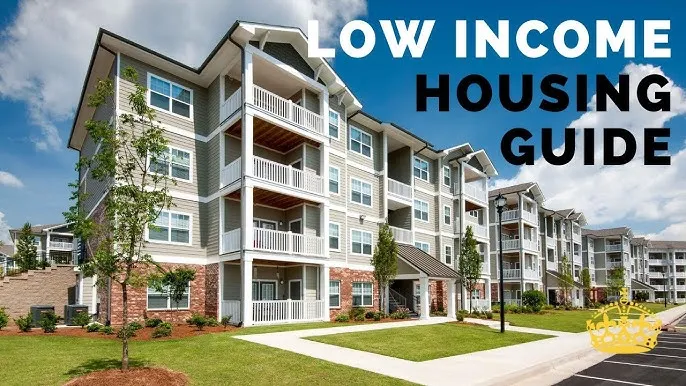
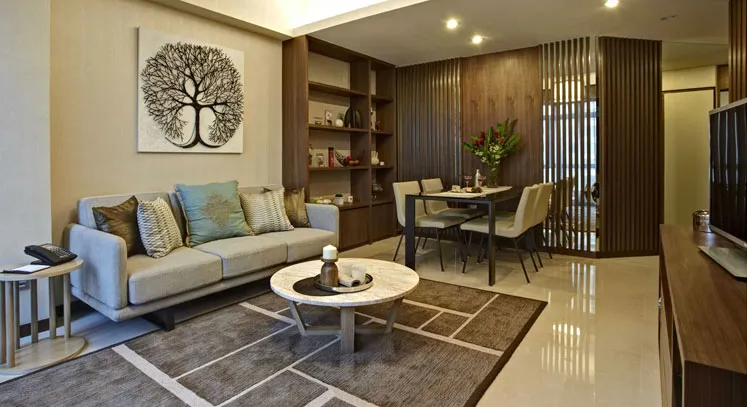
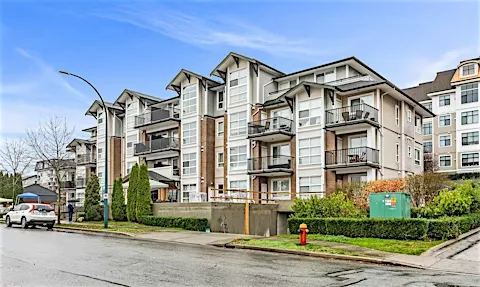
The Condominium in a Managed Development
- The Proposition: Modern amenities, security, and a community feel. This is the most common rental type for professionals and expats in central business districts.
- Key Features: 24/7 security, swimming pool, gym, function rooms, and often a dedicated property manager. Leases are typically for one year, renewable. Units range from bare to fully furnished.
- Best For: Young professionals, expatriates, small families, and anyone prioritizing security, amenities, and a modern lifestyle close to work and entertainment.
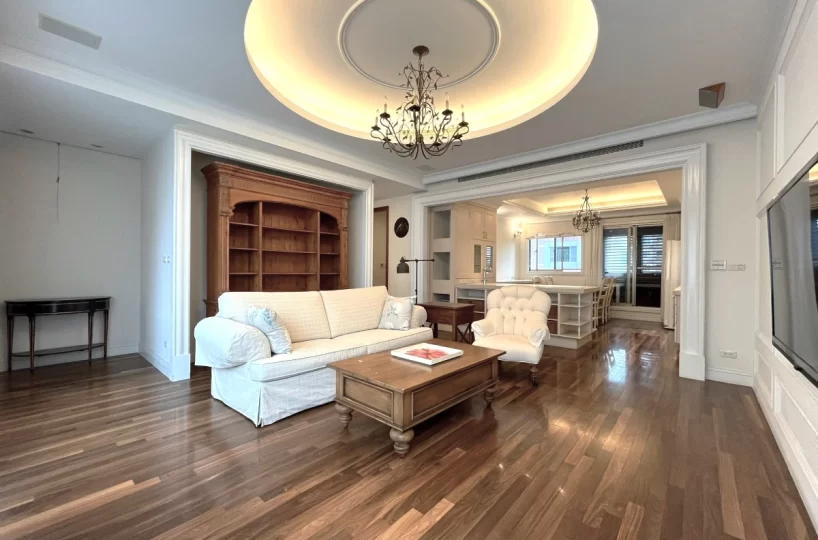
The Privately-Owned Townhouse or Apartment Unit
- The Proposition: More space, potential for lower cost, and a local neighbourhood feel. Often found in residential subdivisions or older districts.
- Key Features: More square footage, sometimes a small garden or parking yard. May not have the same level of shared amenities but offers a quieter, more residential atmosphere. Direct negotiation with the owner is common.
- Best For: Families needing more room, long-term residents, budget-conscious renters, and those who prefer a standalone home atmosphere over a high-rise tower.
The Serviced Apartment or Co-Living Space
- The Proposition: Ultimate convenience, flexibility, and all-inclusive billing. Aimed at short-term stays, expats on assignment, or digital nomads.
- Key Features: Fully furnished, utilities and Wi-Fi included, weekly cleaning, and often reception services. Offered by companies like Ayala, Seda, or other hotel groups. Contracts are more flexible but with a significant premium on a per-square-meter basis.
- Best For: Those on temporary assignments (3-12 months), newcomers needing temporary housing while they search, or digital nomads prioritizing hassle-free living.
The Heart of the Decision: Convenience & Security vs. Cost & Space
This is the central trade-off in the Philippine market.
- Prioritizing Convenience and Security: Opting for a modern condominium in a central business district (CBD). This maximizes walkability, access to amenities, and safety but comes at a higher cost per square meter and often with monthly association dues. It minimizes commute stress—a critical factor in Metro Manila.
- Prioritizing Space and Cost-Efficiency: Choosing a townhouse in a suburban subdivision or an older apartment unit. This offers much more living space for the budget but often requires a car or longer commutes via jeepney/tricycle. It demands more due diligence on neighbourhood safety and property maintenance.
The Apartment Hunt in the Philippines: A Strategic Renter’s Action Plan
Why Documentation and Local Insight Are Your Greatest Assets
- A complete application package speeds up approval, especially for sought-after units.
- Understanding standard contract terms (e.g., 1-year lease, 2 months deposit, 1 month advance) prevents surprises.
- Local insight from a reputable broker or colleague can reveal unadvertised issues or opportunities.
Mandatory Pre-Search Checklist for the Philippines
- Define Your Non-Negotiables and Budget with Fees: Decide on must-haves: location (prioritize near your workplace), furnished/unfurnished, and parking. Calculate your total budget including the security deposit (usually 2 months’ rent), advance rent (1 month), and association dues.
- Prepare Your Application Package: Have ready: Valid ID (passport for foreigners, or any government-issued ID), proof of income (Certificate of Employment, ITR, or bank statements), and for foreigners, sometimes an ACR I-Card. A local guarantor may be requested.
- Use Hybrid Search Methods: Browse Lamudi and Facebook groups extensively, but consider engaging a licensed real estate broker who specializes in rentals in your target area. They have access to more listings and can handle negotiations.
- Conduct Thorough In-Person Inspections: Visit at different times of day and week to check traffic, noise, and water pressure. Ask: “What is the average monthly electricity bill?” “Is the building on a reliable water line?” “How are repair requests handled?” Check for cell signal and internet provider options.
- Scrutinize the Contract and Inventory: Ensure the Contract of Lease clearly states rent, duration, deposit terms, and responsibilities for repairs. For furnished units, a detailed inventory list signed by both parties is essential. Confirm the process for deposit return at lease end.
Conclusion: More Than a Lease, A Lifestyle Gateway in the Islands
Securing the right rental in the Philippines is the first step in embracing its dynamic culture. It is the process of finding a secure, comfortable, and well-located base from which to explore, work, and connect.
Approach your search with a blend of digital savvy and old-fashioned legwork. Patience and local advice are invaluable currencies in this market. Your preparation will not only help you secure a contract but also the right home for your Philippine adventure.
When you sign that lease, you are not just agreeing to monthly payments. You are choosing your daily experience in this vibrant nation—selecting your neighborhood community, your commute, and your after-work sanctuary. A well-chosen rental in the Philippines isn’t just an address; it’s your launchpad for life in the tropics.