 The 2024 Nigerian Rental Landscape: A Market of Vigilance and Opportunity
The Nigerian rental market is characterized by high demand, informal practices, and significant variability in quality and value. Success requires a blend of local insight, rigorous verification, and an understanding of the entrenched customs that govern landlord-tenant relationships. It is a market where caution and preparedness are your most valuable currencies.
The Nexus of Online Listings and Imperative Physical Verification
- Digital Gateways and the “To Let” Sign Ecosystem: Initial searches heavily utilize online platforms like PropertyPro, ToLet, PrivateProperty NG, and Nigeria Property Centre, alongside vibrant location-specific Facebook groups. However, a parallel, equally vital market operates offline through agent networks and “To Let” signs posted directly on properties. Relying solely on glossy online photos is a recipe for disappointment; physical inspection is non-negotiable to assess true condition, security, and neighborhood ambiance.
- The “Location-Security-Amenities” Trinity: The decision-making framework is dominated by: Is it in a secure, accessible area with good road networks? Does the property have reliable, 24/7 security personnel, fencing, and functional gates? Does it have “constant light” (uninterrupted power supply from a generator/inverter) and reliable water? Proximity to major roads and business districts often outweighs interior finishes in importance.
- The “Two-Year Rent Advance” Reality and True Cost Calculation: A defining, and often challenging, feature is the widespread expectation for rent to be paid upfront for one or, more commonly, two years. This requires substantial capital outlay. The total move-in cost must account for this advance rent, a hefty security deposit (often equivalent to one year’s rent, refundable), and agency fees (typically 5-10% of the annual rent). Always ask: “What is the payment plan? Is two years mandatory?”
Market Realities: The Premium on Local Advocacy and Document Scrutiny
The market favors those who are well-connected and meticulous. Landlords and agents prioritize applicants who can meet the significant upfront financial requirements. Engaging a reputable, registered agent—though it adds cost—can provide access to better inventory and help navigate negotiations. Crucially, every clause in the often lengthy tenancy agreement must be understood before signing.
Testimonial from a Tenant in Lekki Phase 1, Lagos (2023): “I spent three months searching. Online listings showed beautiful apartments that, in person, had terrible water pressure or were in perpetually flooded areas. I eventually found a trustworthy agent through a colleague. He explained the norms, like the two-year advance, and helped me negotiate for a one-year payment with a higher monthly rate, which was better for my cash flow. We inspected the generator capacity and tested the borehole. Getting everything in writing, especially the state of repairs and the deposit refund process, saved me a lot of stress,” says Amaka Chukwu, a business analyst.
Demystifying the Inventory: Which Nigerian Rental Type is for You?
The Modern Apartment in a Gated Estate/Compound
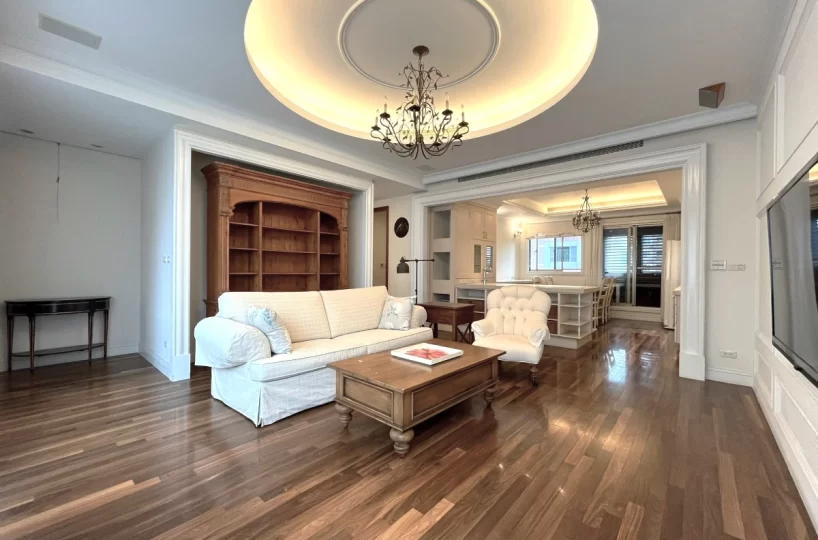
- The Proposition: Enhanced security, shared amenities, and a managed environment. This is the preferred choice for many professionals and expatriates in areas like Lekki, Ikoyi, Victoria Island (Lagos), or Maitama (Abuja).
- Key Features: Perimeter fencing, manned gatehouse, often includes a shared generator, water supply, and sometimes a gym or pool. Managed by a facility manager or residents’ association. Offers a higher degree of predictability and security.
- Best For: Professionals, expatriates, and families prioritizing security, basic shared amenities, and a community with defined rules.
The Self-Contained Apartment in a Standalone Building
- The Proposition: Independence, potential value, and direct landlord interaction. Common in areas like Surulere, Yaba (Lagos), or Garki (Abuja).
- Key Features: A full, independent unit with its own kitchen, bathroom, and sometimes a parking space. The building may have a security guard but fewer shared amenities. Tenants often deal directly with the landlord or a live-in caretaker.
- Best For: Budget-conscious singles or couples, those who prefer direct landlord contact, and tenants seeking a simpler living arrangement without estate rules.
The Serviced Apartment or Short-Term Let
- The Proposition: Convenience, flexibility, and all-inclusive billing. Aimed at business travelers, expatriates on short assignments, or newcomers seeking temporary accommodation.
- Key Features: Fully furnished, utilities, Wi-Fi, cleaning, and often security included. Priced at a significant premium on a monthly basis but eliminates large upfront costs and the hassles of setting up utilities.
- Best For: Corporate assignees (3-12 months), individuals in transition, or those who need immediate housing while searching for a long-term lease.
The Heart of the Decision: Security & Convenience vs. Cost & Autonomy
This is the fundamental trade-off in the Nigerian rental market.
- Prioritizing Security and Managed Living: Choosing a gated estate or a high-quality serviced apartment. This maximizes safety, provides some baseline amenities like power and water backup, and reduces landlord disputes through professional management. It comes at a high financial cost, both in advance rent and premium pricing.
- Prioritizing Affordability and Direct Control: Opting for a standalone “self-con” or an apartment in a smaller, older block. This can offer more space for the money and less restrictive rules. It demands significant tenant resilience to manage inconsistent power (PHCN), water issues, and direct negotiation with landlords over repairs.
The Apartment Hunt in Nigeria: A Strategic Renter’s Action Plan
Why Due Diligence and a Trusted Agent are Non-Negotiable
- Verifying the legitimacy of the agent and the true ownership of the property (via a lawyer if possible) is critical to avoid scams.
- Physically inspecting the generator capacity, water source (borehole vs. municipal), and security infrastructure during the day and night is essential.
- Understanding all tenancy agreement clauses, especially those on repairs, deposit refunds, and notice periods, is your primary legal protection.
Mandatory Pre-Search Checklist for Nigeria
- Define Your Non-Negotiables and Financial Preparation: Prioritize location safety, commute time, and power/water reliability. Calculate your total upfront capital requirement: 2 years’ rent + 1 year’s deposit + agent fee. Explore if one-year advance payments are negotiable.
- Prepare Your Application Package: Have ready: Valid photo ID (National ID, Voter’s Card, International Passport), employment letter, bank statements, and references. For expatriates, a work permit and local guarantor may be requested.
- Employ a Multi-Pronged Search Strategy: Use online portals critically, but allocate more time to driving through target neighborhoods and noting “To Let” signs. Seek personal referrals for reputable, registered estate agents from trusted contacts.
- Conduct Exhaustive Physical Inspections & Investigations: Test all electrical sockets, water pressure from all taps, and flush all toilets. Inquire about the generator’s fuel consumption and run-times. Ask neighbors about security, flooding history, and the landlord’s reputation. Confirm: “Who is responsible for generator servicing and borehole maintenance?”
- Scrutinize the Tenancy Agreement and Document Everything: Have the Tenancy Agreement reviewed by a knowledgeable party. Ensure it includes a detailed inventory of fixtures and their condition. All agreements about repairs, painting, and deposit refund conditions must be written into the contract. Take dated photos/videos of the property’s state at move-in.
Conclusion: More Than a Lease, Your Fortress in a Bustling Metropolis
Securing the right rental in Nigeria is an exercise in strategic planning and vigilant execution. It is the process of finding a secure, functional, and legally protected base—a personal fortress—from which you can confidently navigate the opportunities and challenges of Nigerian urban life.
Approach your search with patience, a healthy skepticism, and a commitment to verifying every claim. The right local guidance and your own thoroughness are invaluable investments. Your effort will be rewarded not just with a roof over your head, but with peace of mind and a stable foundation.
When you sign that tenancy agreement and pay the advance, you are not just acquiring living space. You are securing your operational headquarters in one of Africa’s most vibrant and demanding environments—choosing your daily battle with traffic, your community of neighbors, and your sanctuary from the city’s frenzy. A well-chosen rental in Nigeria isn’t just an apartment; it’s a critical strategic asset for your life and work.