 Introduction: Why phone packaging matters in 2025
Packaging for phones encompasses more than a simple container. It defines the initial user experience, offers essential safety and usage information, and contributes to environmental outcomes through material choices and end-of-life pathways. In 2025, there is increased attention on reducing waste, improving recyclability, and aligning packaging with regulatory requirements across regions. This guide presents a neutral, evidence-based overview of the factors involved in packaging for mobile devices, including material options, design considerations, and long-term implications for stewardship and resource use.
Practical Guidance for Evaluating Phone Packaging
Evaluating phone packaging involves understanding the multi-layered role it plays: protecting the device during transit, informing the user about setup and safety, and supporting environmental objectives through material choices and disposal pathways. The following sections provide criteria, methods, and illustrative scenarios to help readers analyze packaging choices in an educational and non-promotional manner.
Categories and formats
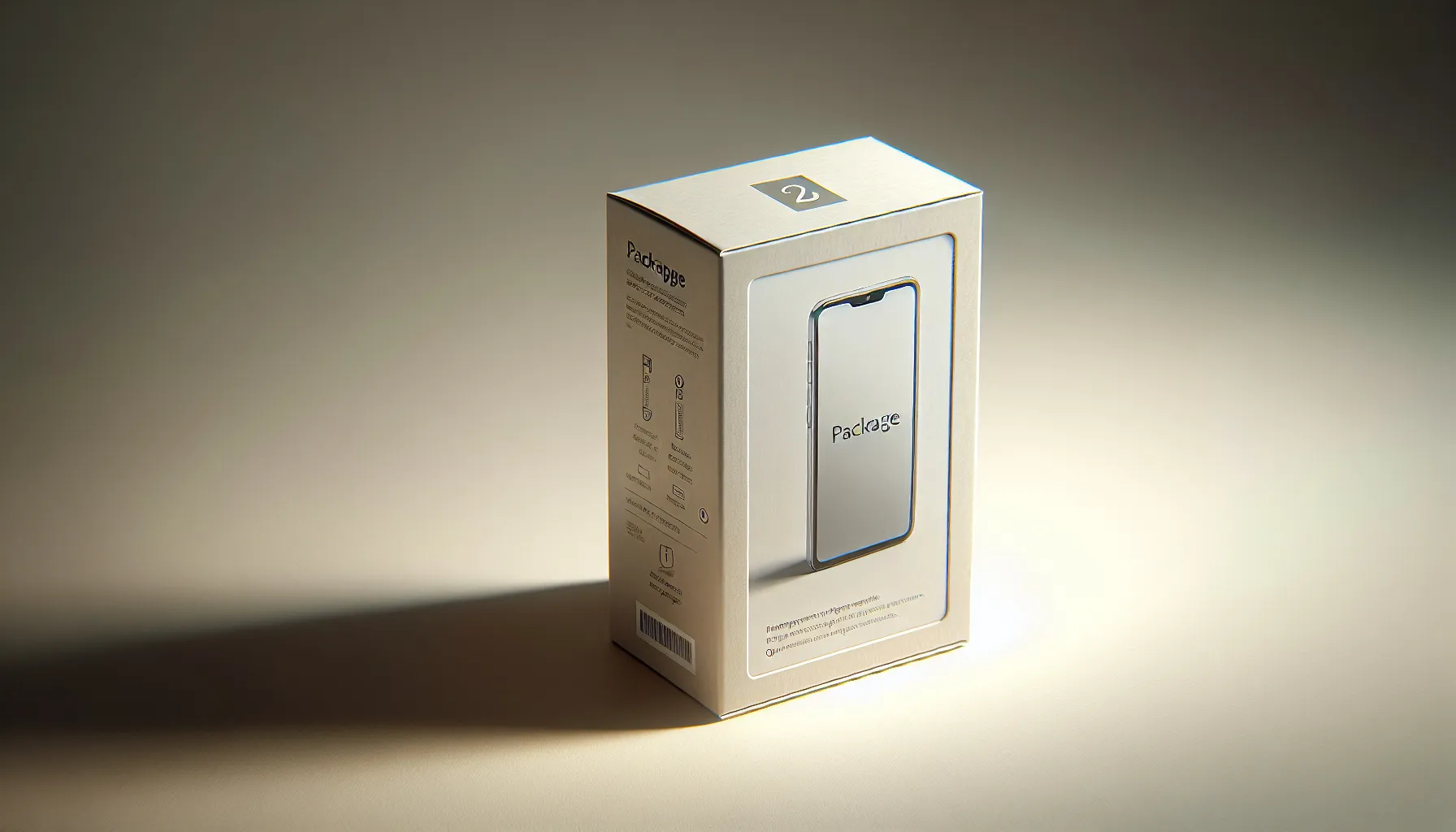
- Primary packaging: The container that holds the device and essential accessories. This is what users typically encounter first and may include inserts or trays to position components securely.
- Secondary packaging: Outer boxes or wrappers that group the device with manuals or accessory bundles. This layer often carries branding and regulatory disclosures.
- Tertiary packaging: Bulk shipping cartons designed for logistics. These are usually not seen by consumers but influence protection during distribution.
- Protective inserts and cushioning: Cardboard dividers, molded pulp, foams, or plastic trays that stabilize the device and minimize movement.
- Labeling and information: Printed materials, safety notices, regulatory marks, and sometimes tamper-evident seals that convey guidance and compliance.
- Accessory packaging: Packaging for cables, chargers, and manuals that accompany the device, often in separate compartments or sleeves.
Material choices and their implications
Material selection affects protection, resource use, and end-of-life outcomes. Typical materials include paper-based options and plastics, with some devices adopting mixed-material laminates. When evaluating materials, consider:
- Recyclability: Whether local recycling infrastructure accepts the material in typical streams (curbside or community programs).
- Content and sourcing: The presence of recycled content and the credibility of claims about sustainably sourced materials.
- Barrier properties: The ability of the packaging to protect against moisture, dust, and physical damage during handling and storage.
- Durability and usability: How well the packaging protects the device while being easy to open and use without causing damage to contents.
- Adhesives and inks: The compatibility of glues and printing inks with recycling streams and their environmental profiles.
- End-of-life considerations: The practicality of recycling or recovering materials in common municipal programs.
Assessment steps you can apply
- Define function: Determine whether the packaging’s primary role is protection, information, or display, and how that influences material choices.
- Identify materials: Look for cardboard, plastics, laminates, foams, and inks. Note any coatings or multi-layer constructions that may complicate recycling.
- Check end-of-life pathways: Research whether the packaging is accepted by local programs and whether the materials have established recycling streams or composting options.
- Evaluate safety and accessibility: Ensure packaging avoids sharp edges, hazardous substances, or confusing disposal instructions that could hinder proper recycling.
- Compare trade-offs: Weigh protection, cost, material availability, and environmental impact when comparing packaging configurations across scenarios.
Illustrative scenarios
Scenario A involves a standard primary package made from a rigid cardboard outer box with a simple cardboard insert and a minimal plastic tray for the device. Scenario B presents a design emphasizing recycled-content cardboard, soy-based inks, and reduced plastic components, while Scenario C describes a multi-layer laminate approach that delivers strong moisture barriers but is more challenging to recycle in certain regions. These scenarios illustrate how packaging configurations vary and how trade-offs among protection, cost, and end-of-life impact may arise. The intent is to foster an informed understanding rather than to advocate for a particular approach.
Table: Packaging Materials Relevant to Phones
| Material | Common Form | Primary Considerations | Typical Recyclability | Notes |
| Paper/cardboard | Boxes, inserts, dividers | Printable, supports branding; moisture resistance varies | Generally high when clean and dry; widely accepted in many programs | Recyclability can be affected by coatings and adhesives |
| Rigid plastics (PET, PP) | Trays, internal supports | Durable, impact protection; can be transparent | Recycling varies by locality; some programs accept | May require separate collection streams |
| Foam and cushioning (EPS, polystyrene) | Cushioning inserts | Excellent shock absorption but often not widely recycled | Recycling availability varies; may be restricted | Often being replaced by cardboard or more recyclable alternatives |
| Metalized laminates and multi-layer films | Laminate pouches, barrier layers | Strong moisture barrier; difficult to separate | Typically low recycling compatibility in many programs | Increases end-of-life complexity; encourages alternative materials where feasible |
| Biobased/compostable plastics | Bioplastic films, compostable trays | Potential compostability; life-cycle varies with facility availability | Compostability and recycling depend on regional infrastructure | Industrial composting facilities influence end-of-life outcomes |
Further Reading and Cross-References
For broader context on packaging concepts and regulatory frameworks, the following resources provide background information:
In-depth overview of packaging concepts: [Packaging - Wikipedia](https://en.wikipedia.org/wiki/Packaging)
Government and regulatory context for packaging waste: [U.S. EPA Sustainable Management of Materials – Packaging and Packaging Waste](https://www.epa.gov/smm/sustainable-management-materials-packaging-and-packaging-waste)
European policy framework for packaging and packaging waste: [European Commission – Packaging and packaging waste](https://ec.europa.eu/environment/waste/packaging/index_en.htm)
Standards related to environmental labeling: [ISO 14021 Environmental labeling](https://www.iso.org/iso-14021-environmental-labeling.html)
Frequently Asked Questions
What counts as phone packaging?Phone packaging refers to the materials and structures used to enclose and protect a mobile device and its accessories from production through to consumer use. It includes primary, secondary, and tertiary packaging, as well as any cushioning materials and printed information.Why do packaging materials vary for phones?Variation arises from protection needs, cost constraints, supply chain considerations, user experience, and regional recycling capabilities. Different materials balance durability, barrier protection, and end-of-life options in different ways.How should I dispose of phone packaging?Follow local recycling guidelines. Clean and dry cardboard and paper-based components are generally accepted, while plastic films, laminates, and foams may require specific collection streams or may be non-recyclable in certain regions. Always check your local program for accepted materials.Does packaging affect device safety?Packaging primarily protects during transport and storage; it is designed to minimize damage to the device. The packaging should be free of sharp edges and hazardous substances and should not compromise the device during handling.