 The 2026 South African Rental Landscape: A Market of Vigilance and Opportunity
The South African rental market is characterised by high demand for secure, well-located properties amidst broader economic pressures. Success here demands a blend of local insight, rigorous due diligence, and an understanding that factors like security, power reliability, and water supply are as important as the rental price itself.
The Fusion of Digital Tools and Non-Negotiable Physical Verification
- Digital Gateways and the Trusted Agent Network: Searches begin on portals like Property24 and Private Property, but the role of a reputable, registered estate agent is paramount. A good agent provides access to vetted properties, understands the nuances of different neighbourhoods and security estates, and can guide you through the complex paperwork and negotiation process, often ensuring a safer and more reliable transaction.
- The “Security-Location-Value” Trinity: The decision matrix is dominated by a fundamental question: Is the property in a secure complex or estate with reliable access control, perimeter fencing, and armed response? This is followed by: Is the location practical for commute and lifestyle? and Does the rent offer fair value for the space, finishes, and included utilities? In South Africa, the rental is chosen first as a secure haven, then as a home.
- The “Total Cost of Occupancy” Imperative: The listed rent is just the starting point. Savvy renters must budget for additional essential costs: a refundable deposit (usually one month’s rent), utility deposits, and critically, the potential cost of alternative power (inverter/generator) and water solutions if not included. Always ask: “Is the property equipped for loadshedding? What is the average monthly cost for electricity and water?”
Market Realities and the Power of Preparation
The market favours tenants who are prepared, financially stable, and understand local norms. Landlords and agents prioritise applicants with complete documentation, proof of income, and sometimes, a South African credit record or a solid local reference. Presenting yourself as a low-risk, informed tenant is your strongest asset.
Testimonial from a Tenant in a Cape Town Security Estate (2023): “I learned quickly that in Cape Town, you must see beyond the beautiful photos. My agent was crucial. She insisted we view properties at different times to check traffic, noise, and security presence. We tested the water pressure and asked specifically about the backup power setup for the fibre router and lights. Having my employment contract, bank statements, and previous landlord reference from overseas organised in a single file helped me secure a great apartment in a competitive estate. The agent said my preparedness made the process smooth for everyone,” says Anika van der Merwe, a project manager.
Demystifying the Inventory: Which Rental Type is Your Match in South Africa?
The Apartment in a Security Estate or Gated Complex
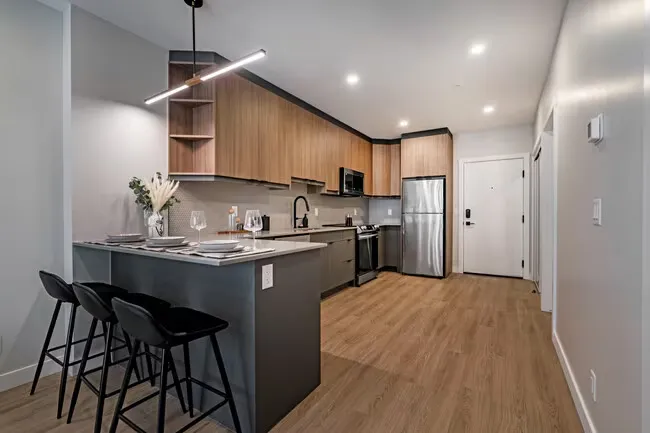
- The Proposition: Enhanced, managed security, shared amenities, and community living. This is the preferred choice for many professionals, expatriates, and families.
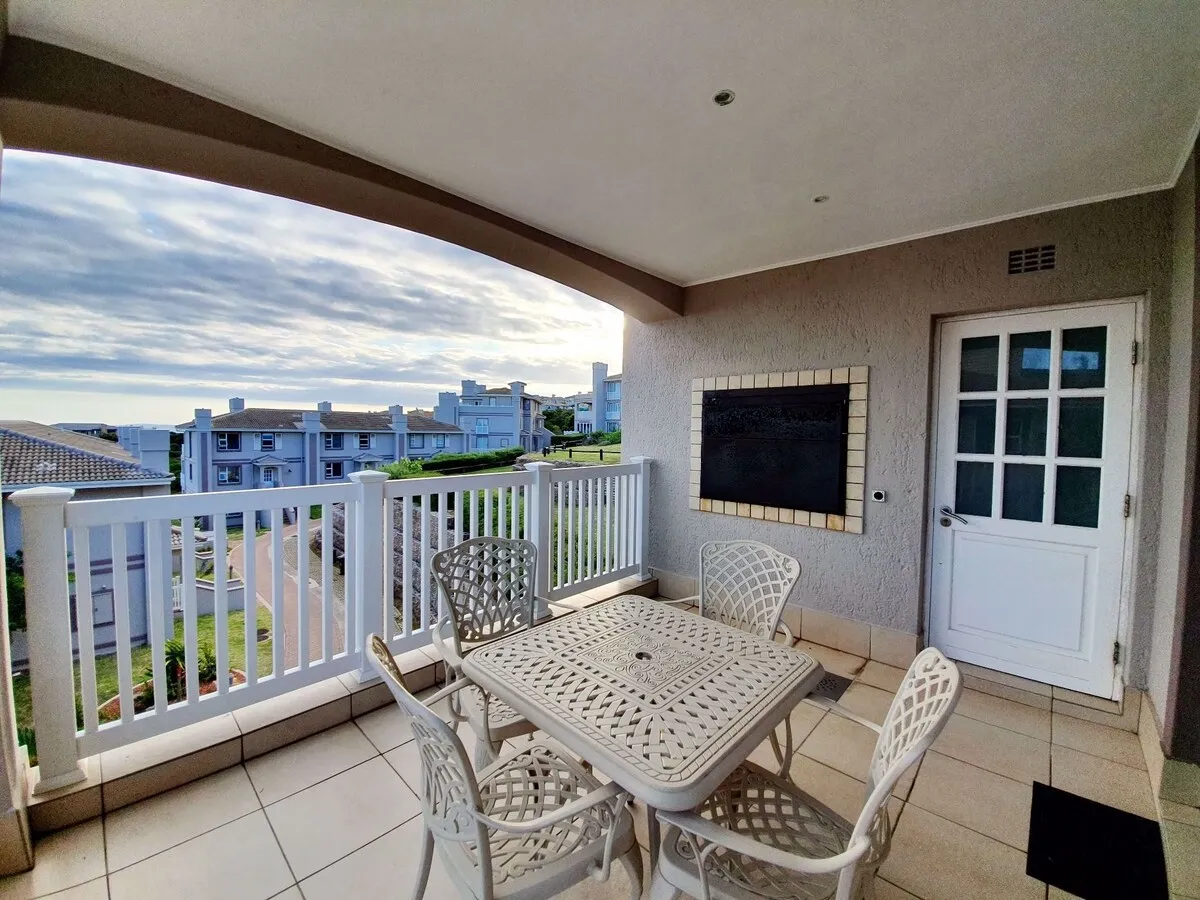
- Key Features: Controlled access, 24-hour armed response, perimeter fencing, and often amenities like a pool, gym, and communal braai areas. Managed by a body corporate or homeowners’ association with strict conduct rules. Offers the highest degree of personal security.
- Best For: Those prioritising safety, a sense of community, and a managed living environment. Common in suburbs of Johannesburg (Sandton, Rosebank), Cape Town (Southern Suburbs, Atlantic Seaboard), and Durban (Umhlanga).
The Apartment in a Standalone Block or Converted House
- The Proposition: Often more affordable and central, offering character and direct landlord interaction. Found in older, established suburbs.
- Key Features: May offer more space or a better location for the budget. Security might consist of burglar bars, an alarm, and a security gate rather than a full estate setup. The landlord may be more accessible but also more directly involved in maintenance issues.
- Best For: Budget-conscious renters, students, and those who prefer a more independent living arrangement without the rules (and costs) of a large estate. Requires more thorough personal security vetting.
The “Garden Cottage” or Flatlet
- The Proposition: Privacy, value, and often a unique setting. A self-contained unit on a larger residential property.
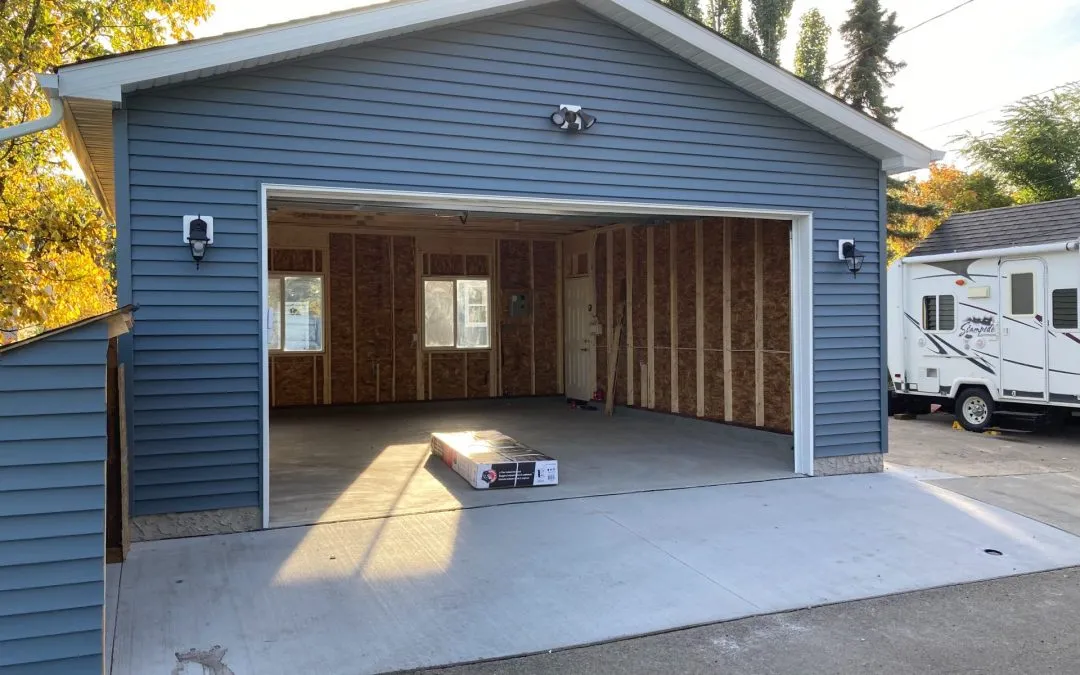
- Key Features: Usually a freestanding cottage or converted garage in the backyard of a main house. Offers privacy and often includes a small garden. It is critical to establish clear boundaries and communication protocols with the homeowner/landlord regarding shared spaces, utilities, and access.
- Best For: Singles, couples, or those seeking a quieter, more private setting often found in leafy suburbs. Excellent value but requires a very clear and detailed lease agreement.
The Heart of the Decision: Managed Security & Convenience vs. Autonomy & Value
This is the central trade-off in the South African rental market.
- Prioritising Managed Security and Convenience: Choosing a secure estate or modern complex. This path maximises safety, often includes backup power for common areas, and reduces maintenance hassles through a body corporate. It comes at a higher financial cost (rent and levies) and may involve adherence to many communal rules.
- Prioritising Autonomy, Character, and Budget: Choosing a standalone apartment or garden cottage. This path can offer better value, more space, and fewer restrictive rules. It demands greater tenant responsibility for personal security measures and dealing directly with utilities and potential loadshedding solutions.
The Apartment Hunt in South Africa: A Strategic Renter’s Action Plan
Why Due Diligence and a Meticulous Lease are Non-Negotiable
- Verifying the legitimacy of the agent (via the EAAB) and the ownership of the property is a critical first step.
- The Lease Agreement must be comprehensive, detailing responsibilities for loadshedding-related repairs (e.g., gate motor batteries), garden maintenance, and the exact process for deposit refunds.
- The incoming inspection report is your most important document for protecting your deposit. Document everything with photos and videos.
Mandatory Pre-Search Checklist for South Africa
- Define Your Non-Negotiables: Security First: Prioritise type of security (estate vs. standalone), maximum commute time, and backup power/water solutions. Calculate your total move-in budget: First month’s rent + Deposit (1 month’s rent) + Possible utility deposits.
- Prepare Your Application Dossier: Have ready: Certified copy of ID/Passport, proof of income (latest 3 payslips or employment contract), recent bank statements, and contactable references. Foreign nationals may need additional documentation. A clear credit record is advantageous.
- Engage a Reputable Agent and Conduct Deep Area Research: Seek personal referrals for agents. Research neighbourhoods thoroughly—visit at different times, check crime stats online, and talk to locals. Don’t just view the property; assess the immediate surroundings and access routes.
- Conduct Exhaustive Physical and Practical Inspections: Test all lights, taps, toilets, and geyser function. Check water pressure. Inquire specifically: “What happens to access control and the garage door during loadshedding?” “Who covers the cost of replacing gate batteries or alarm system backups?” Ask for recent municipal bills to gauge average utility costs.
- Scrutinise the Lease and Complete the Incoming Inspection Meticulously: Ensure the Lease Agreement covers maintenance, repair timelines, and procedures for lease termination. Before moving in, complete the incoming inspection report with the agent/landlord. Note every scratch, stain, and appliance condition. Take dated photos and videos and ensure both parties sign the report.
Conclusion: More Than a Lease, Your Secure Foundation in a Land of Contrast
Securing a rental in South Africa is an exercise in strategic planning, vigilance, and informed decision-making. It is the process of finding a secure, functional, and legally protected base—a personal sanctuary—from which you can confidently engage with the incredible opportunities and vibrant culture of the country.
Approach your search with patience, a critical eye, and the understanding that the right local expertise is worth its weight in gold. Your diligence in securing not just a property, but a truly safe and sound home, will provide the indispensable foundation for a rewarding South African experience.
When you sign that lease, you are not just agreeing to monthly payments. You are securing your personal haven, choosing the community that will define your daily rhythm, and establishing the stable platform from which to explore the boundless beauty and complexity of South Africa. A well-chosen rental here isn’t just an apartment; it’s your essential key to a secure and fulfilling life.