 The Singaporean Laser Landscape: Where Uncompromising Regulation Meets Technological Prowess
 The Singaporean Laser Landscape: Where Uncompromising Regulation Meets Technological Prowess
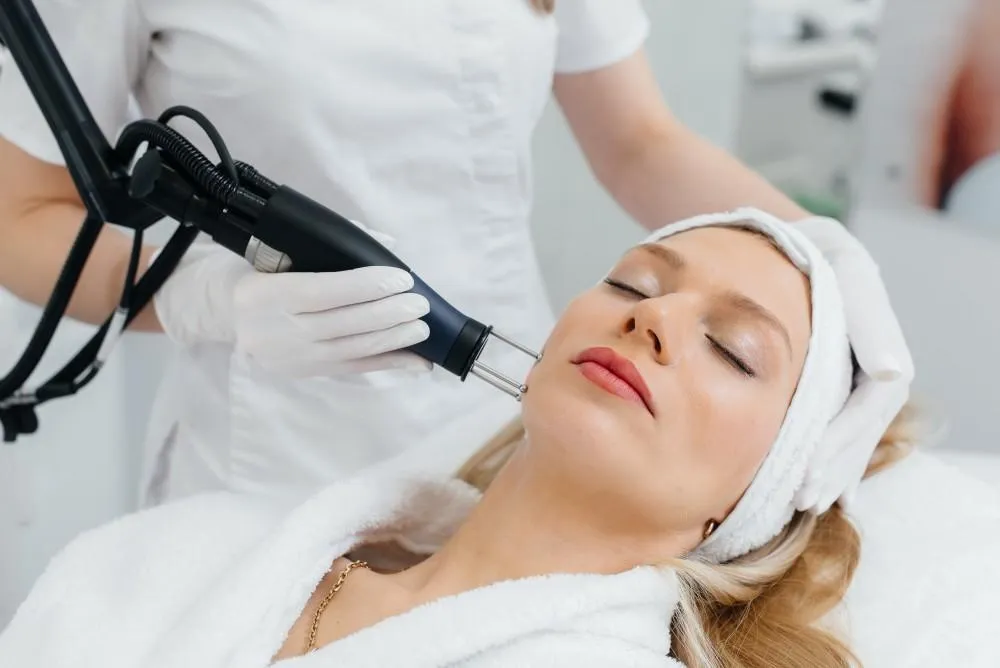
Singapore’s aesthetic medicine sector operates under a stringent regulatory umbrella, setting it apart. Success here is not about finding a service, but about identifying the right medically qualified professional within a framework designed for patient safety and optimal outcomes.
The Triad of Trust: Medical Governance, Advanced Tech, and Asian Skin Expertise
- The Regulatory Bedrock: All laser and energy-based devices are classified as medical devices regulated by the Health Sciences Authority (HSA), and procedures must be performed by or under the supervision of qualified doctors registered with the Singapore Medical Council (SMC). This means your practitioner is accountable to a strict professional code. Clinics are licensed by the Ministry of Health (MOH), ensuring adherence to facility and hygiene standards. This ecosystem transforms your search from evaluating marketing to verifying credentials within a trusted system.
- Precision Engineering for Asian Skin Phenotypes: Singapore’s leading practitioners are global experts in treating Fitzpatrick skin types III to V, which are predominant in the region. This expertise is critical, as improper laser settings on higher melanin content can lead to complications like post-inflammatory hyperpigmentation (PIH) or hypopigmentation. The most reputable clinics utilise specific wavelengths (like 1064nm Nd:YAG for deeper pigment and hair removal) and fractional technologies calibrated for safety and efficacy on Asian skin, prioritising health over aggressive intervention.
- Targeting Signature Concerns in a Tropical Climate: The local demand driver is not just anti-ageing. It is the scientifically-driven correction of hyperpigmentation (melasma, sun spots), acne scarring, vascular concerns (rosacea, telangiectasia), and permanent hair reduction—all common concerns exacerbated by UV exposure and humidity. The sophisticated patient seeks clinics that offer combination therapy, integrating lasers with topicals and other modalities for a holistic treatment plan.
Market Realities: The Premium on Professional Credentials and Clinical Transparency
The market is stratified between aesthetic clinics led by accredited doctors and non-medical beauty salons illegally offering devices. The informed patient understands that the higher fee at a medical clinic encompasses professional diagnosis, customised treatment plans, proper pain management, and comprehensive aftercare—non-negotiable components for safety. Transparency in pricing, clear visual documentation (VISIA skin analysis), and detailed consent forms are hallmarks of reputable establishments.
Testimonial from a Patient at a Mount Elizabeth Clinic (2023): “I had stubborn melasma for years. I chose a clinic where the dermatologist specialised in pigment disorders. She didn’t just sell me a laser package; she conducted a thorough consultation, used a skin analyser, and explained a phased approach starting with topical stabilisation before any laser. We used a low-fluence Q-switched Nd:YAG, and the results were gradual but without the rebound pigmentation I’d experienced from rushed treatments elsewhere. The strict pre- and post-care protocol was key. Here, you’re paying for the doctor’s strategic mind, not just the machine’s flash,” says Priya Sharma, a finance executive.
Demystifying the Modalities: Which Laser Protocol is Clinically Indicated for You?
Understanding the therapeutic goal is paramount, as clinics offer a portfolio of technologies.
Pigment-Specific Lasers (Q-Switched Nd:YAG, PicoSure)
- The Proposition: Selective targeting of melanin to treat benign pigmented lesions, sun-induced lentigines, and tattoos.
- Technology & Clinical Application: Q-Switched Nd:YAG (1064nm/532nm) is the gold standard for treating dermal and epidermal pigment like Hori’s nevus and freckles on Asian skin, with a low risk of PIH when used correctly. Picosecond lasers (PicoSure) deliver energy in trillionth-of-a-second pulses, offering effective tattoo removal and potentially less thermal damage for certain pigmentation. The choice is a medical decision based on the pigment’s depth and nature.
- Best For: Patients with specific pigmentary concerns like sun spots, melasma (in stable phase), and tattoo removal. Requires expert diagnosis to rule out malignancy.
Fractional Skin Resurfacing (Ablative vs. Non-Ablative)
- The Proposition: Controlled micro-injuries to stimulate collagen remodelling, improving texture, scars, and pores.
- Technology & Clinical Application: Ablative Fractional CO2/Erbium lasers create microscopic columns of vaporised tissue for dramatic improvement in deep acne scars or severe photodamage, but require significant downtime (7-14 days). Non-ablative fractional lasers (e.g., Fraxel Dual, Clear + Brilliant) heat the dermis without breaking the epidermis, offering minimal downtime and safer use on Asian skin for mild-to-moderate texture issues and pigment. The decision balances desired efficacy with acceptable recovery time.
- Best For: Treating atrophic acne scarring, improving overall skin texture and laxity, and reducing pore appearance. A cornerstone of medical anti-ageing in Singapore.
Laser Hair Removal (Diode, Nd:YAG, Alexandrite)
- The Proposition: Long-term reduction of unwanted hair via selective photothermolysis of hair follicles.
- Technology & Clinical Application: Nd:YAG (1064nm) is the only safe choice for darker skin tones (Type IV-V) in Singapore’s context, as it bypasses epidermal melanin. Diode lasers are effective and common for light to medium skin. Alexandrite is for very fair skin. A proper patch test is mandatory to assess efficacy and skin reaction.
- Best For: Anyone seeking a permanent reduction in hair growth. Safety hinges entirely on matching the laser wavelength to the patient’s skin type.
The Heart of the Decision: Specialist-Led Medical Clinic vs. General Aesthetic Practice
This is the core strategic choice defining safety, customisation, and long-term value.
- Prioritising Specialist Expertise & Comprehensive Care: Choosing a clinic led by a recognised dermatologist or plastic surgeon with a sub-specialty interest (e.g., pigment, lasers, scar revision). This path ensures a diagnostic-led approach, access to the full spectrum of medical-grade technologies, ability to manage complications, and integration with other medical treatments (e.g., prescription topicals). The higher investment secures a medical standard of care.
- Prioritising Accessibility for Standardised Procedures: Choosing a reputable aesthetic clinic run by an experienced general practitioner with accredited laser training. This can be a valid choice for low-risk, standardised procedures like hair removal with appropriate lasers or gentle non-ablative treatments on suitable candidates. It requires meticulous verification of the doctor’s specific credentials, experience, and the clinic’s emergency protocols. The value proposition is convenience and potentially lower cost for routine treatments.
Undergoing Laser Treatment in Singapore: The Strategic Patient’s Action Plan
Why the Consultation is a Diagnostic, Not a Sales, Appointment
- It assesses your skin’s condition, medical history, and lifestyle to determine candidacy.
- It establishes a realistic treatment plan, including the number of sessions, expected outcomes, and potential risks.
- It is your opportunity to evaluate the doctor’s communication style, expertise, and ethical approach.
Mandatory Pre-Treatment Checklist for Singapore
- Verify SMC Registration and Clinic Accreditation: Before any contact, check the doctor’s name on the Singapore Medical Council’s public register. Confirm the clinic holds a valid MOH license. This is your foundational safety step.
- Seek a Specialist Consultation for Complex Concerns: For issues like melasma, acne scars, or vascular lesions, book a consultation directly with a dermatologist. Their advanced training is crucial for diagnosis and managing complex or stubborn conditions.
- Prepare for a Data-Driven Consultation: A thorough consultation should include: A full medical and medication review, discussion of sun habits, a skin analysis (ideally with a VISIA or similar imaging system), and a clear visual treatment plan with before/after examples of similar cases. Ask: “What is your specific experience treating my skin type and concern?” “What is the scientific basis for this laser choice?”
- Demand Transparency in Costs and Consent: Obtain a detailed written quote itemising the cost per session, any required topical pre-care, and total estimated package cost. The Informed Consent form must be comprehensive, listing all potential risks (PIH, burns, scarring, infection). Do not proceed if risks are minimised or unexplained.
- Commit to the Prescribed Pre- and Post-Procedure Protocol: Success depends 50% on compliance. This includes strict sun avoidance, discontinuation of photosensitising topicals (retinoids, AHA) as advised, and diligent use of medical-grade sunscreen. Post-treatment, follow instructions on cooling, moisturising, and activity restrictions meticulously to optimise healing and results.
Conclusion: A Medically Governed Partnership in Skin Health
Choosing laser treatment in Singapore is an exercise in leveraging a first-world medical system for aesthetic and therapeutic benefit. It is the process of placing your trust in regulated expertise, advanced technology, and a clinical culture that prioritises evidence-based outcomes and patient safety above all.
Approach your journey as an informed participant in your own care. Your diligence in selecting qualifications over promotions, and your partnership in the prescribed process, are the definitive factors for a successful, complication-free outcome.
When you complete a course of well-indicated laser treatment, you achieve more than a cosmetic change. You invest in the long-term health and quality of your skin, under the guidance of some of the world’s most stringent medical standards. A successful laser treatment in Singapore isn’t a luxury purchase; it is a strategic healthcare decision executed with precision.
Disclaimer: This guide is for informational purposes only and does not constitute medical advice. All laser treatments are medical procedures with inherent risks. It is essential to consult with a qualified, SMC-registered doctor for a personal assessment and treatment plan.