 1. Carrier Equipment Installment Plans EIP
 1. Carrier Equipment Installment Plans EIP
The most common way to finance a phone in the US is through major telecommunications providers such as AT&T, Verizon, and T-Mobile. These are known as Equipment Installment Plans or EIP.
Zero Percent Interest and Term Lengths
Most carriers offer 0 percent APR financing, meaning you pay no interest on the loan. The total cost of the device is simply divided into monthly payments. In 2026, the standard term has shifted almost exclusively to 36 months. While this lowers the monthly bill, it also ties the consumer to the carrier for three full years. If you decide to leave the carrier early, the remaining balance of the phone becomes due immediately.
Bill Credits and Trade-in Deals
Carriers frequently use aggressive promotional offers where a new phone is advertised as free. These deals usually require a qualifying trade-in and a specific high-tier unlimited data plan. The free status is achieved through monthly bill credits applied over the 36-month period. It is important to note that if you cancel the service, the remaining credits are forfeited, and you must pay off the outstanding hardware balance.
2. Manufacturer Direct Financing
 2. Manufacturer Direct Financing
Companies like Apple, Samsung, and Google have expanded their own financing ecosystems to reduce dependency on carriers and build brand loyalty.
Apple Card Monthly Installments and Samsung Financing
Apple offers financing through the Apple Card, allowing users to split payments over 24 months at 0 percent interest while earning Daily Cash back. Samsung partners with financial institutions to offer similar monthly payment programs. The primary advantage here is that the devices are usually sold unlocked, giving the consumer the freedom to switch carriers at any time without triggering an immediate payoff of the device.
Annual Upgrade Programs
For tech enthusiasts who want the latest model every year, programs like the iPhone Upgrade Program are ideal. These plans include protection insurance like AppleCare+ and allow the user to trade in their current device for a new one after making 12 payments. This effectively turns phone ownership into a subscription service.
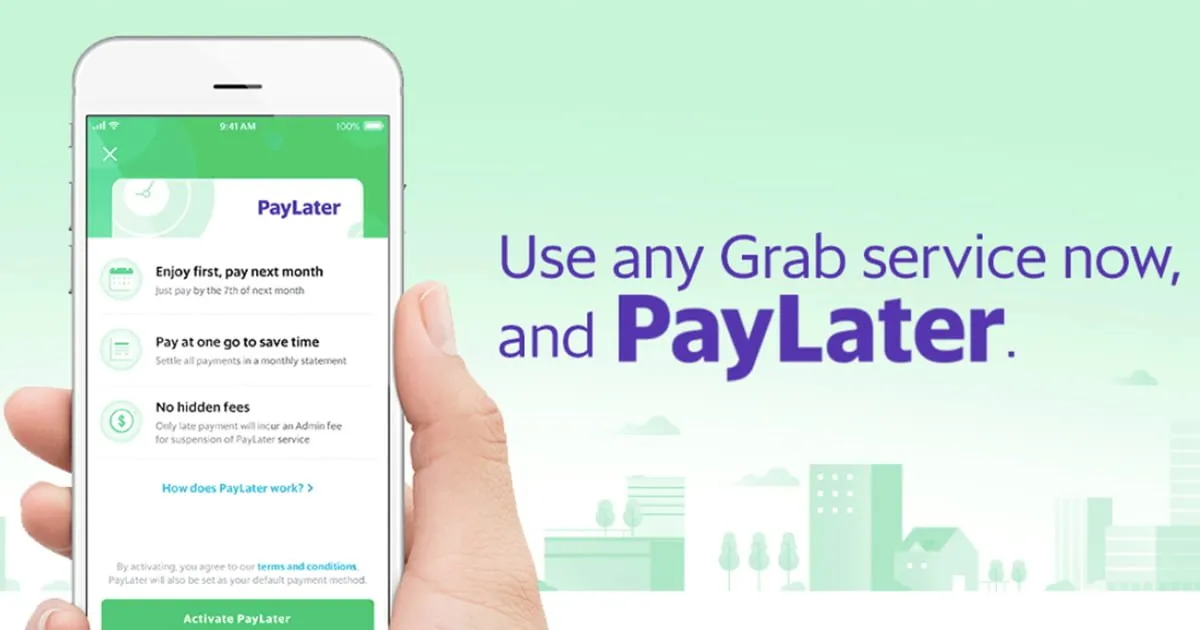
3. Third-Party Buy Now Pay Later BNPL Services
The rise of fintech has introduced flexible alternatives for those who may not want to deal with carriers or traditional banks.
Services like Affirm, Klarna, and Afterpay
Platforms such as Affirm and Klarna are now integrated into most major electronics retailers like Best Buy or Amazon. These services often provide instant credit decisions. While some offer 0 percent interest for short periods, others may charge interest rates ranging from 10 to 30 percent depending on the buyer's creditworthiness. This is a popular option for purchasing mid-range phones or certified refurbished devices.
4. The Role of Credit Scores in Smartphone Financing
In the US market, your credit history plays a vital role in determining your eligibility for financing.
Credit Checks and Down Payments
Major carriers and manufacturers will perform a soft or hard credit pull. Consumers with excellent credit scores typically qualify for 0 dollars down financing. However, those with limited or poor credit history may be required to pay a significant security deposit or a substantial portion of the phone's price upfront.
Building Credit
Successfully making monthly payments on a phone installment plan can sometimes help build your credit profile, provided the lender reports to the major credit bureaus. Conversely, missing payments or defaulting on a device loan will severely damage your credit score and may lead to the device being blacklisted and unusable on any cellular network.
5. Total Cost of Ownership Analysis
When choosing a financing path, consumers must look beyond the monthly device payment.
- Service Plan Requirements: Financing a phone through a carrier often requires staying on an expensive unlimited plan.
- Insurance Costs: Financing agreements often mandate or strongly encourage the purchase of device insurance, which can add 10 to 20 dollars to the monthly bill.
- Sales Tax: In most US states, the full sales tax on the total value of the phone is due at the time of purchase, even if the device itself is financed at 0 dollars down.
Conclusion
Financing a smartphone in the United States in 2026 offers great flexibility but requires careful attention to the fine print. Carrier plans are excellent for those who plan to stay with one provider for a long time, while manufacturer financing offers more freedom for frequent travelers or those who prefer unlocked devices. By evaluating your credit standing and long-term service needs, you can select an installment plan that fits your budget without incurring unnecessary debt or interest charges.