 1. Understanding the Spectrum of Senior Living Options
 1. Understanding the Spectrum of Senior Living Options
Senior living in the US is not a one size fits all solution. Communities are categorized based on the level of medical assistance and daily support they provide.
Independent Living Communities
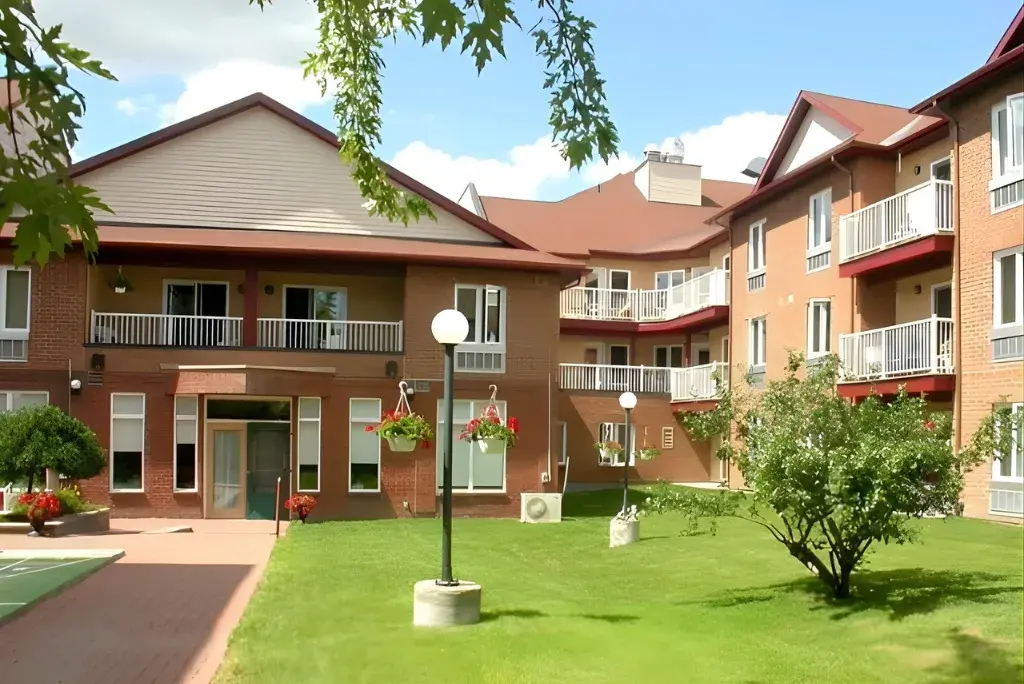
Independent living is designed for active seniors who do not require assistance with daily activities but wish to divest themselves of the burdens of home maintenance. These communities often consist of private apartments or cottages. Residents benefit from communal amenities such as fitness centers, dining halls, and organized social outings. In 2026, many of these communities have integrated smart home technology to monitor safety without infringing on privacy.
Assisted Living Facilities
 Assisted Living Facilities
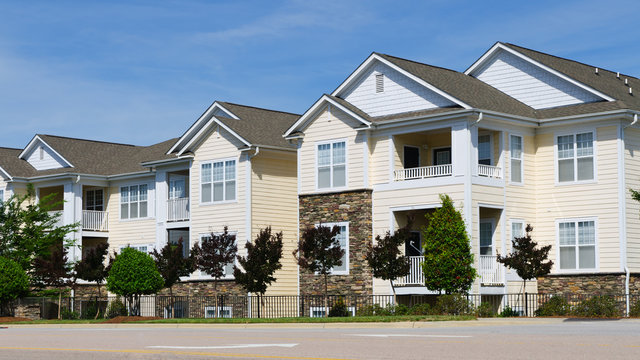
Assisted living bridges the gap between independent living and skilled nursing care. It is ideal for individuals who need help with activities of daily living ADLs, such as bathing, dressing, or medication management. These facilities provide 24 hour staff availability while encouraging residents to remain as independent as possible. Most assisted living centers offer tiered pricing based on the specific level of care required.
Memory Care Units
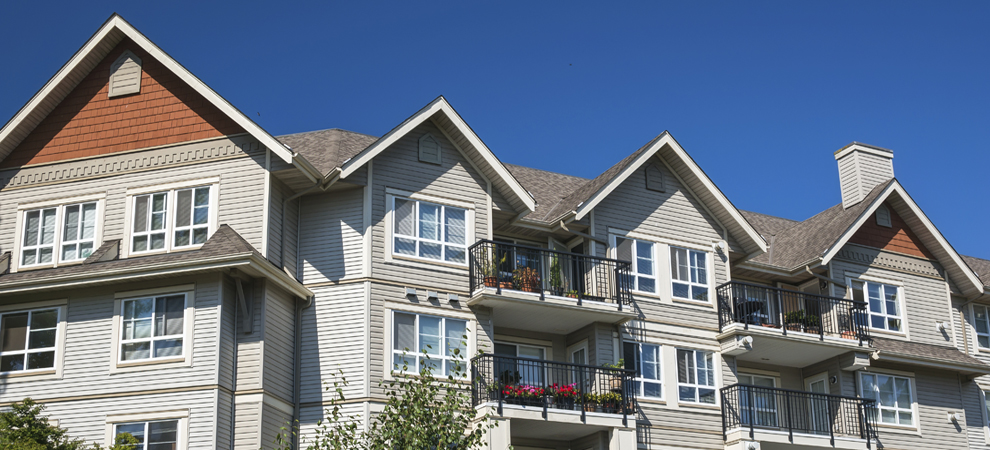
Memory care is a specialized form of assisted living tailored for individuals with Alzheimers disease or other forms of dementia. These environments are secured to prevent wandering and feature specialized programming designed to reduce cognitive decline and behavioral symptoms. The staff to resident ratio is typically higher in memory care units compared to standard assisted living.
Continuing Care Retirement Communities CCRC
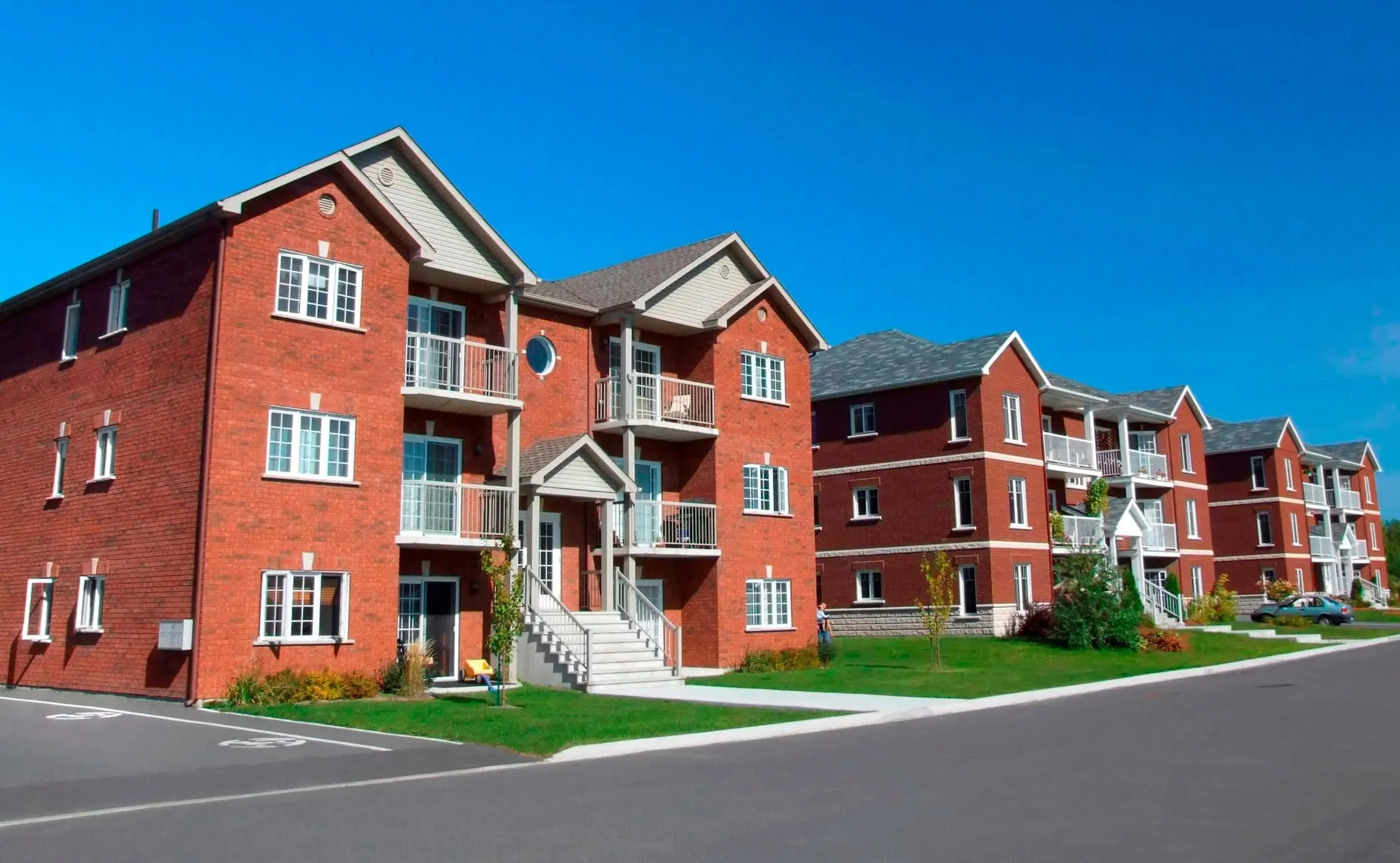
CCRCs, also known as Life Plan Communities, offer a continuum of care on a single campus. A resident may enter as an independent living tenant and transition to assisted living or skilled nursing as their health needs evolve. This model provides long term stability and ensures that couples with different care needs can remain close to one another.
2. Financial Considerations and Cost Structures
The cost of senior living in the US varies significantly by geographic location, the level of luxury, and the intensity of care provided.
Entry Fees and Monthly Rentals
Many high end communities, particularly CCRCs, require a substantial upfront entry fee, which can range from 100,000 to over 1,000,000 dollars. A portion of this fee may be refundable to the residents estate. In contrast, most assisted living and independent living communities operate on a monthly rental model. In 2026, the national average for a one bedroom assisted living apartment is approximately 5,500 to 7,500 dollars per month.
Payment Sources: Private Pay vs Insurance
It is a common misconception that Medicare covers the cost of long term senior living. Medicare generally only pays for short term rehabilitative stays in skilled nursing facilities. Most seniors rely on private funds, long term care insurance, or the sale of a primary residence to fund their stay. For those with limited assets, Medicaid may provide coverage, but only in participating facilities and typically for skilled nursing levels of care.
3. Key Factors for Selecting the Right Community
Choosing a senior living community is a major life transition that involves both emotional and practical considerations.
Location and Proximity to Healthcare
Proximity to family members remains the primary driver for location choice. However, it is equally important to evaluate the distance to high quality hospitals and specialized medical providers. Many modern communities in 2026 have established formal partnerships with local healthcare systems to provide on site geriatric consultations.
Culture and Social Engagement
The social atmosphere of a community is vital for mental health. When touring facilities, observe the interactions between staff and residents. Review the calendar of events to see if the activities align with the seniors hobbies and interests. A vibrant community should offer more than just bingo, including lifelong learning classes, fitness programs, and volunteer opportunities.
Safety Standards and Staffing
Inquire about the facilitys emergency protocols and the qualifications of the nursing staff. In 2026, many states have implemented stricter transparency laws requiring facilities to disclose their staffing ratios and recent inspection reports. Prospective residents should always check the Long Term Care Ombudsman records for any history of complaints or violations.
4. Legal and Advocacy Resources
The rights of seniors in residential communities are protected by both federal and state laws. Every state has an Ombudsman program specifically designed to advocate for residents and resolve disputes between families and facility management. It is highly recommended to consult with an elder law attorney before signing any long term residency contracts, especially those involving large non refundable entry fees or complex care transitions.
Conclusion
Senior living in the United States offers an unprecedented array of choices in 2026, catering to a diverse population with varying needs and desires. By understanding the distinctions between independent living, assisted living, and specialized care, and by carefully evaluating the financial implications, families can find a community that enhances quality of life and provides peace of mind. Early planning and open communication remain the most effective tools for ensuring a successful transition into this new chapter of life.