 1. The Mission and Philosophy of Salvation Army Housing
 1. The Mission and Philosophy of Salvation Army Housing
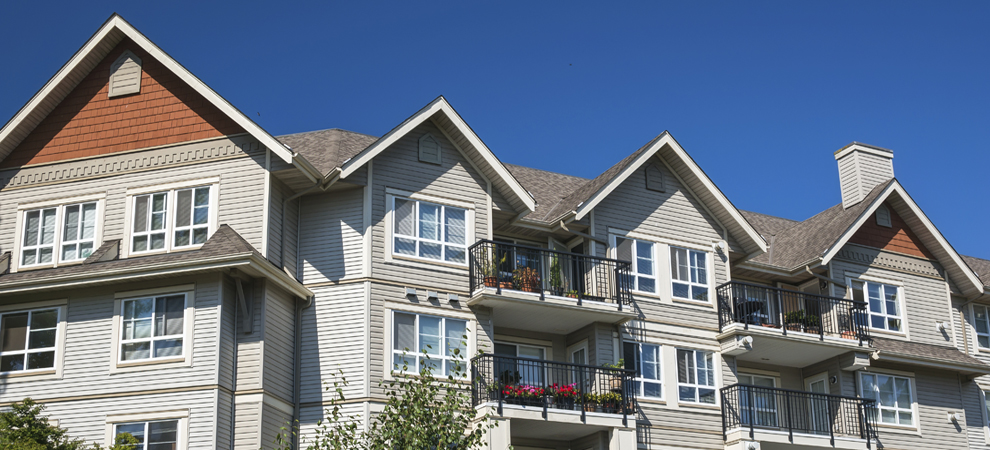
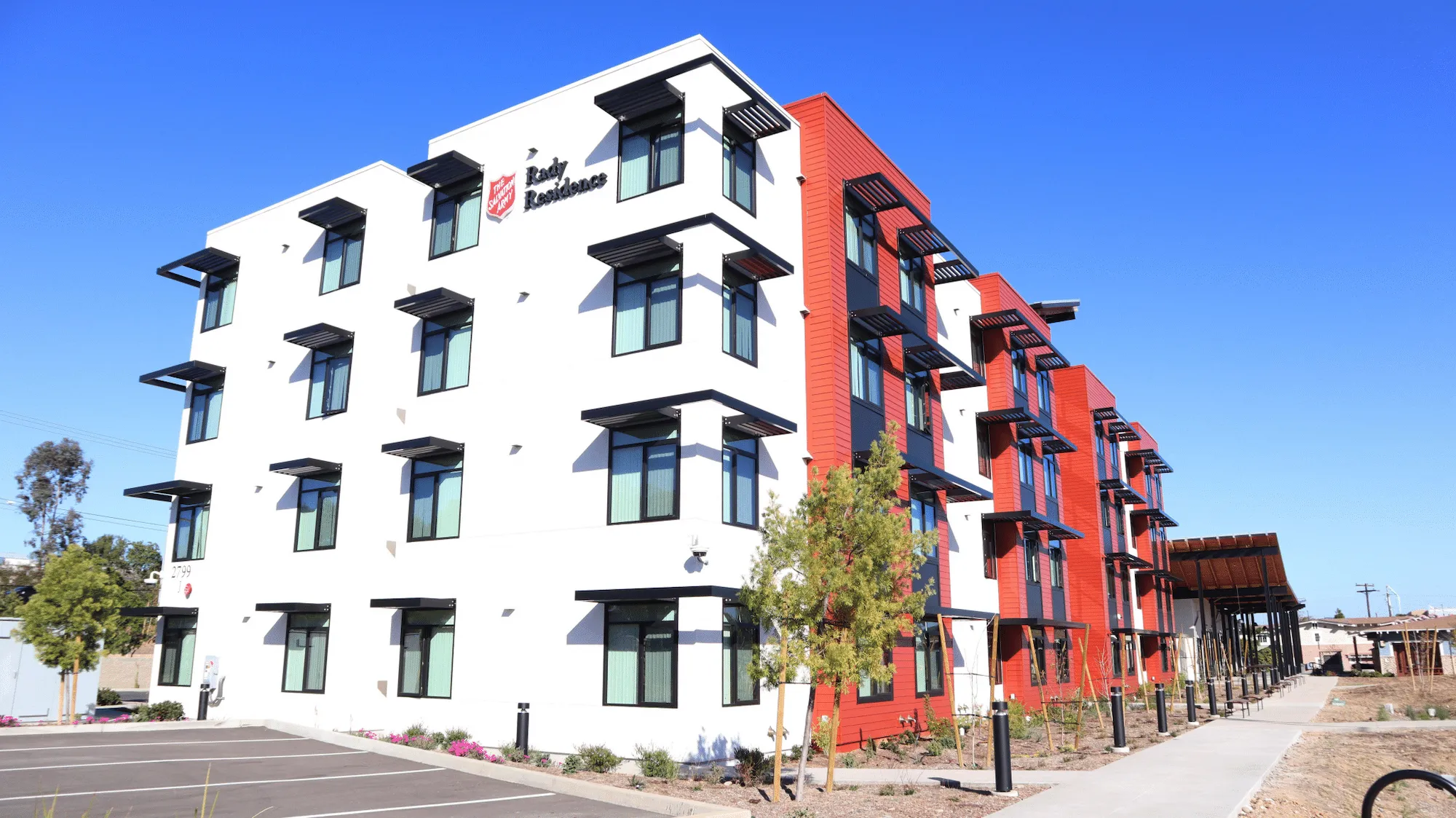
The core philosophy of The Salvation Army senior housing is based on the belief that housing is a fundamental right. Unlike commercial senior living facilities that operate on a profit motive, these apartments are designed to provide a supportive environment that allows seniors to age in place with grace. In 2026, these communities are not just residential buildings but are structured as service enriched housing where the physical, emotional, and social needs of the residents are addressed simultaneously.
2. Eligibility and the HUD Section 202 Framework
 2. Eligibility and the HUD Section 202 Framework
Most Salvation Army senior apartments operate under federal guidelines established by HUD. Understanding these rules is essential for any prospective applicant.
Income Limits and Age Requirements
To qualify for residency, applicants must generally be 62 years of age or older. Additionally, their household income must fall below the Very Low Income limit set by HUD for that specific county or metropolitan area. This limit is typically 50 percent of the Area Median Income AMI. In 2026, with shifting economic data, these limits are updated annually to reflect the local cost of living.
Rent Calculation: The 30 Percent Rule
One of the most significant benefits of these apartments is the rent structure. Residents typically pay exactly 30 percent of their adjusted monthly income toward rent. The remaining balance of the market rate rent is subsidized by the federal government. This ensures that even those relying solely on Social Security benefits can afford high quality housing without compromising on food or healthcare expenses.
3. Features and Amenities of Salvation Army Apartments
While these units are subsidized, they are built and maintained to high standards. In 2026, modern Salvation Army facilities have incorporated sustainable design and accessibility features to accommodate the changing needs of an aging population.
Private and Shared Spaces
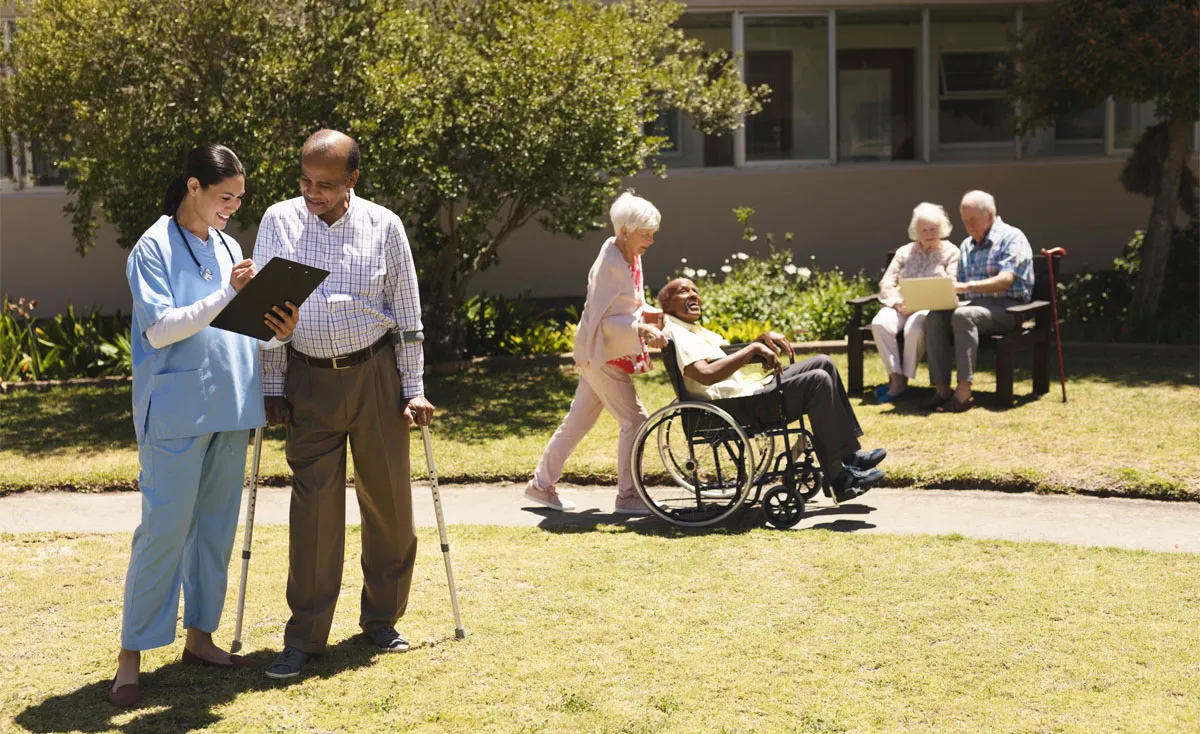
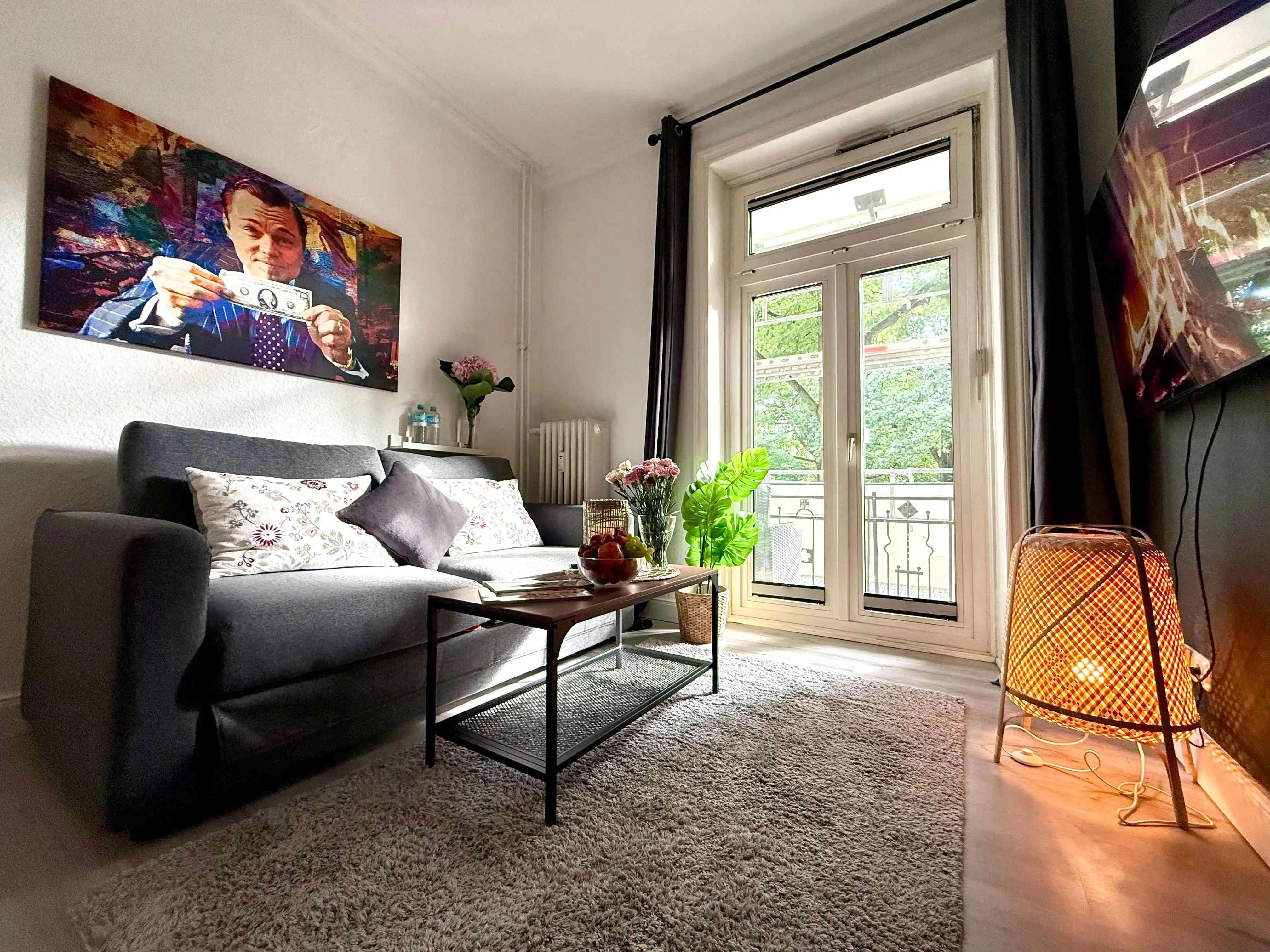
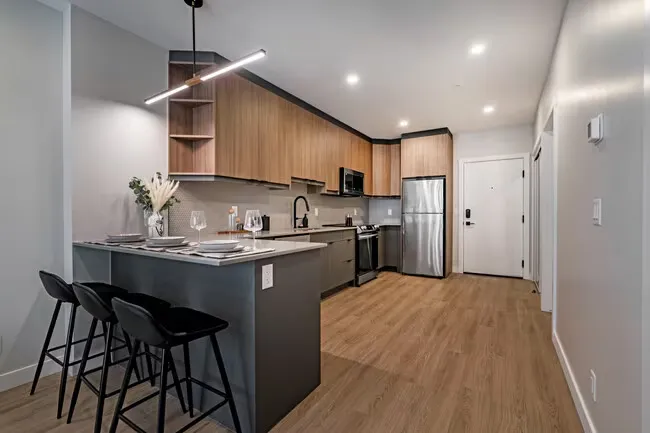
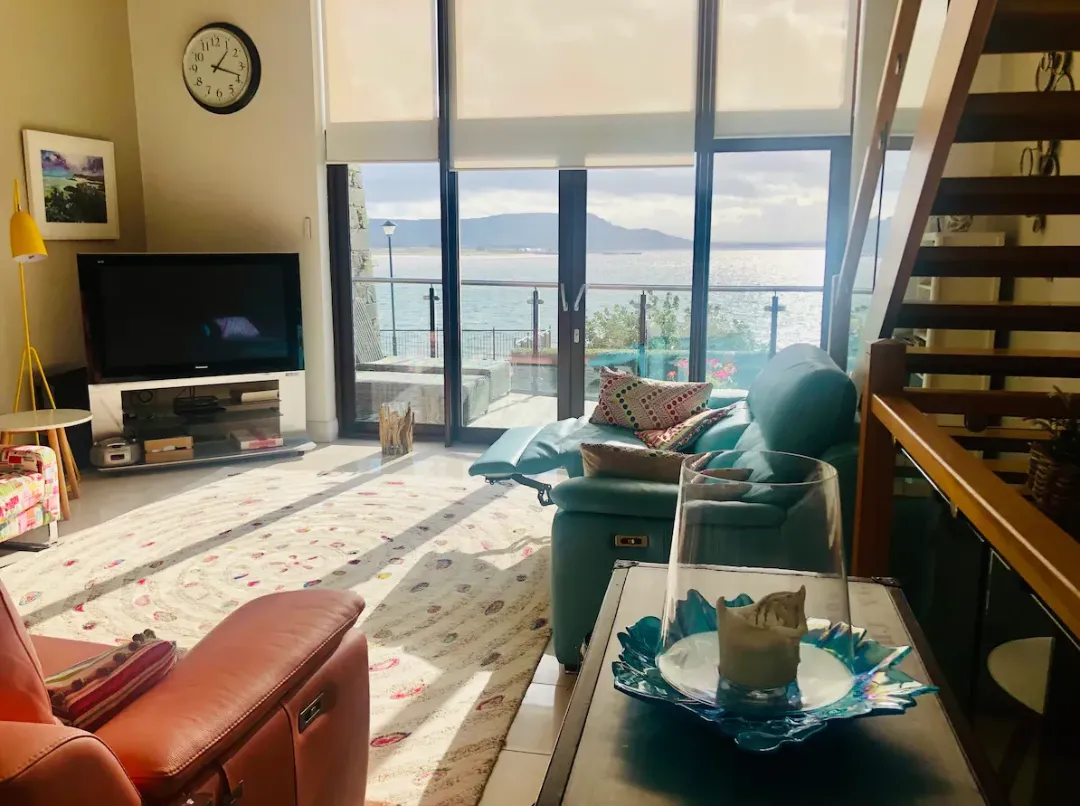
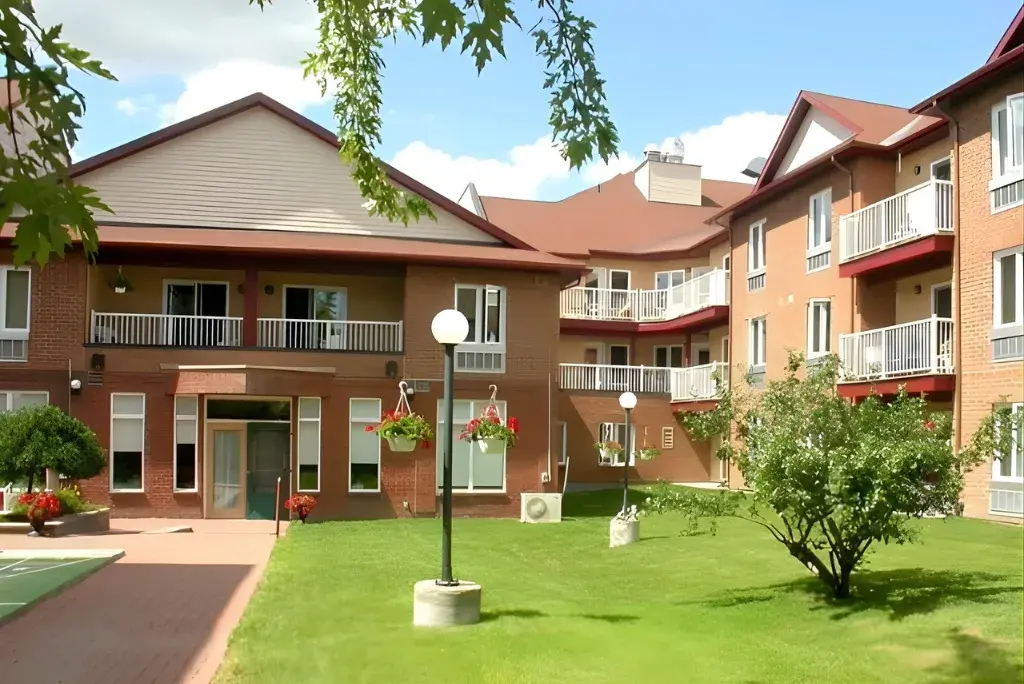
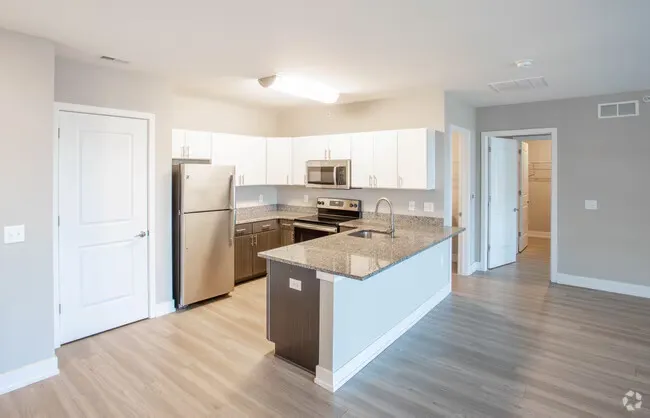
Residents live in private one bedroom or studio apartments equipped with full kitchens and emergency call systems. The buildings also feature extensive common areas, including community rooms, libraries, and outdoor gardens. These spaces are designed to combat the epidemic of senior isolation by encouraging daily interaction among neighbors.
On-Site Service Coordination
A distinguishing feature of The Salvation Army model is the presence of a Service Coordinator. This staff member helps residents navigate complex systems such as Medicare, Medicaid, and local transportation services. In 2026, many locations have also introduced digital literacy programs to help seniors stay connected with family through technology and manage telehealth appointments.
4. The Application Process and Waiting Lists
Due to the high demand for affordable housing in the US, the application process for Salvation Army apartments requires patience and proactive planning.
Waiting List Dynamics
It is common for these facilities to have waiting lists ranging from several months to several years. In 2026, many properties use centralized online portals for applications, though some still require paper submissions at the specific site. Prospective residents are encouraged to apply to multiple buildings to increase their chances of securing a unit.
The Interview and Background Check
Once a name reaches the top of the list, the applicant undergoes a thorough screening process. This includes income verification, a criminal background check, and a review of rental history. The goal is to ensure a safe and harmonious environment for all residents within the community.
5. Spiritual and Social Support
While residency is open to all regardless of religious affiliation, The Salvation Army provides optional spiritual support for those who seek it. Many apartment complexes are located near a Salvation Army Corps community center, which offers additional programming such as congregate meals, holiday celebrations, and volunteer opportunities. This connection to a larger social mission provides residents with a sense of purpose and belonging that is often missing in standard low income housing.
Conclusion
The Salvation Army senior housing program stands as a beacon of hope for thousands of American seniors in 2026. By combining federal subsidies with a mission of compassionate service, these apartments offer more than just a roof over ones head they offer a community built on respect and care. For seniors living on a fixed income, securing a spot in a Salvation Army community can be a life changing event that ensures financial stability and a high quality of life during their golden years.