 1. Understanding Your Options: It’s Not One-Size-Fits-All
 1. Understanding Your Options: It’s Not One-Size-Fits-All
Before you start your search, it is crucial to understand the difference between the various types of senior living. Choosing the right level of care can save you thousands of dollars a year.
Independent Living Communities
These are designed for active adults who are self-sufficient but want to downsize.
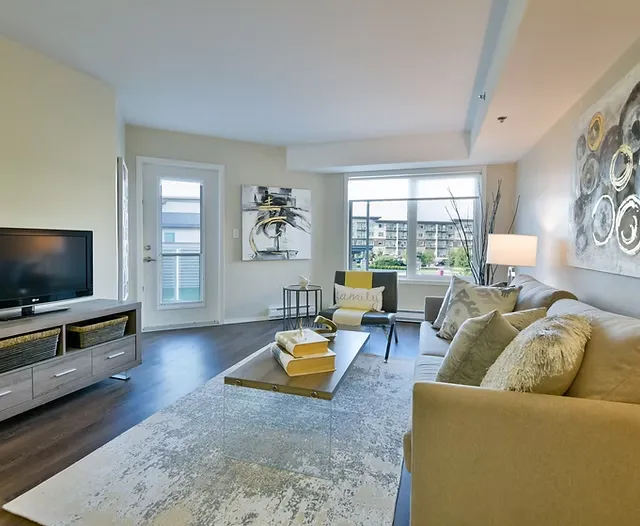
- What they offer: Private apartments or cottages, maintenance-free living (no more mowing the lawn!), and community amenities like clubhouses, gyms, and organized social events.
- Best for: Those who want an active lifestyle without the burden of home maintenance.
Assisted Living Facilities
These facilities provide a bridge between independent living and nursing homes.
- What they offer: Personal care support services such as help with bathing, dressing, medication management, and meals.
- Best for: Individuals who need some daily assistance but do not require constant medical care.
Affordable Senior Housing (HUD & Section 202)
For those on a fixed income, the U.S. Department of Housing and Urban Development (HUD) offers subsidized housing programs.
- Section 202 Supportive Housing for the Elderly: This program provides capital advances to finance the construction of housing for very low-income elderly persons. …Rent is typically based on your income (often around 30% of your adjusted monthly income).
- Housing Choice Vouchers (Section 8): These vouchers can help pay for rental housing in the private market.
2. The Cost Factor: Budgeting for Your Move
One of the biggest questions is: How much does it cost?
Prices vary wildly depending on location (e.g., California vs. Ohio) and the level of luxury.
- Market-Rate Senior Apartments: Can range from $1,500 to $4,000+ per month depending on amenities.
- Subsidized Housing: As mentioned above, programs like Section 202 can significantly lower this cost, sometimes to under $500/month for qualifying individuals.
Pro Tip: Always ask about "hidden" fees. Some communities charge extra for parking, housekeeping, or specific activities.
3. Essential Amenities to Look For
 3. Essential Amenities to Look For
When touring a potential apartment or browsing listings online, keep an eye out for features that ensure safety and improve quality of life:
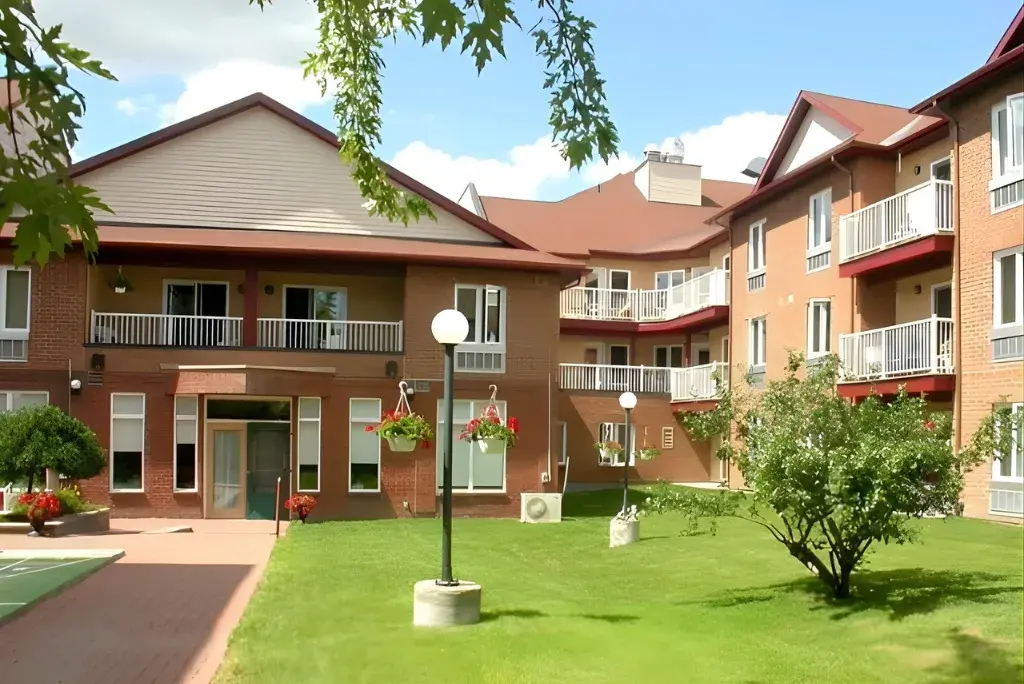
- Accessibility: Are there elevators? Are the doorways wide enough for walkers or wheelchairs? Look for grab bars in the bathrooms and step-in showers.
- Emergency Systems: Many modern senior apartments include 24-hour emergency call systems in every unit.
- Social & Wellness: Look for calendars full of activities—yoga classes, book clubs, movie nights, and group outings. Isolation is a major health risk; a vibrant community helps prevent it.
- Transportation: Does the community offer shuttle services to grocery stores or medical appointments? This is vital if you plan to stop driving eventually.
4. How to Find the Best Deals Near You
Finding the perfect place requires a bit of research, but the effort is worth it. Here is a step-by-step strategy:
- Determine Your Budget: Look at your monthly income (Social Security, pension, savings) and decide what you can comfortably afford.
- Check Your Eligibility: If you have a limited income, check the HUD.gov website to see if you qualify for Section 202 or other subsidy programs.
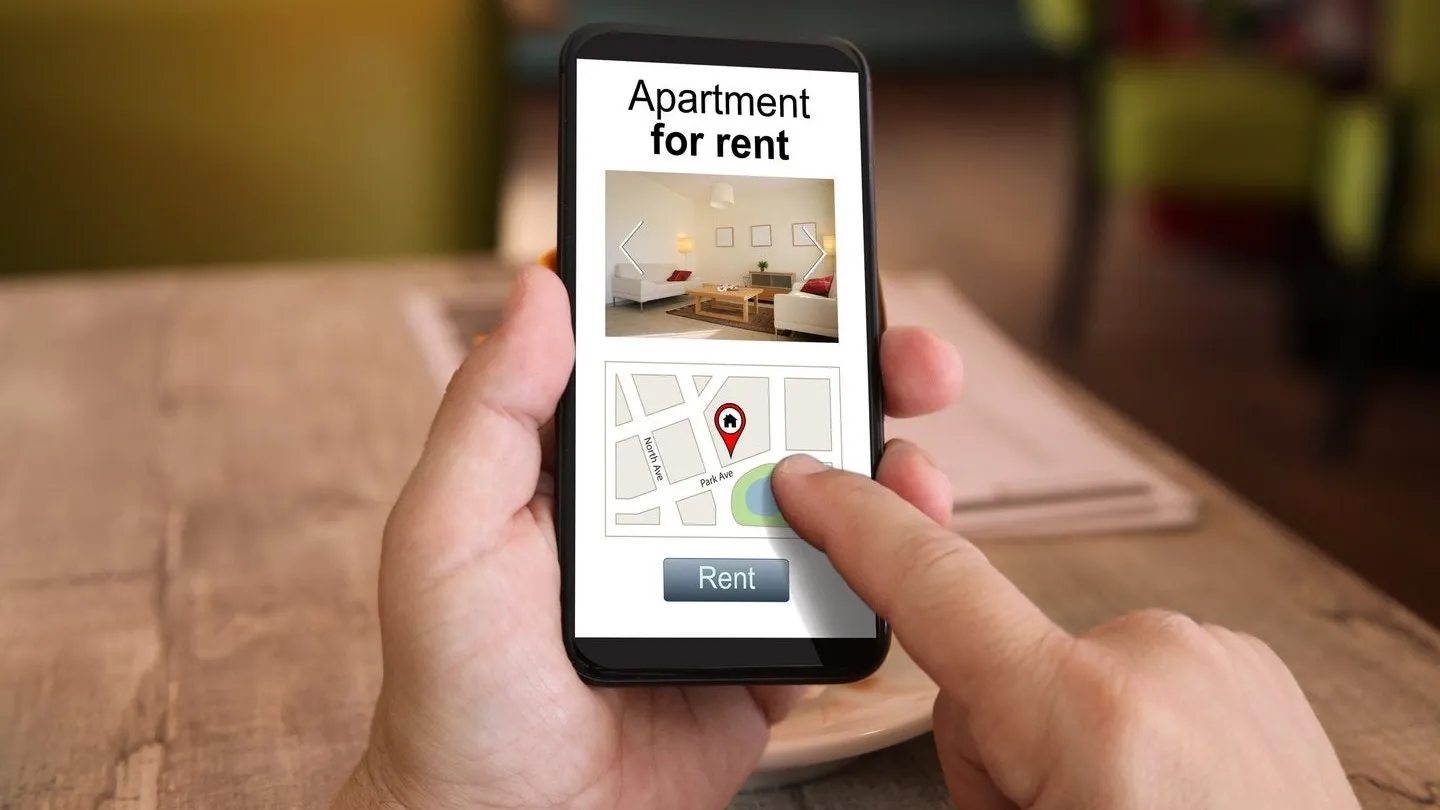
- Search Online Listings: The internet is your best tool. Many websites allow you to filter by "Senior Living," "Low Income," or "55+ Communities."
- Tip: Use specific search terms like "Senior apartments with utilities included" or "Pet-friendly senior housing" to narrow down your results.
- Visit in Person: Photos can be deceiving. Always schedule a tour to meet the staff and sense the atmosphere of the community.
Conclusion
Moving to a senior apartment is the start of a new chapter—one that can be filled with new friends, less stress, and more time to enjoy life. Whether you are looking for a luxury resort-style community or a cozy, affordable apartment supported by government programs, the options are out there.
Disclaimer: This article is for informational purposes only. We do not provide housing directly. Please contact specific properties or HUD for official availability and eligibility requirements.