 ⚠️ The "Cheap Wind Kit" Trap
 ⚠️ The "Cheap Wind Kit" Trap
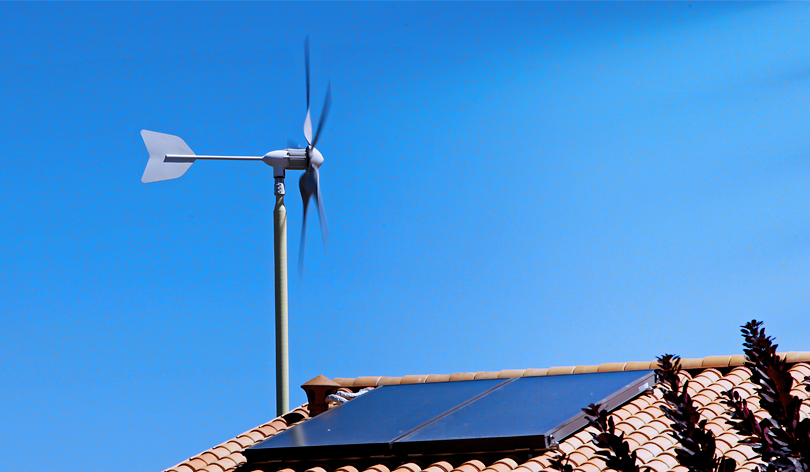
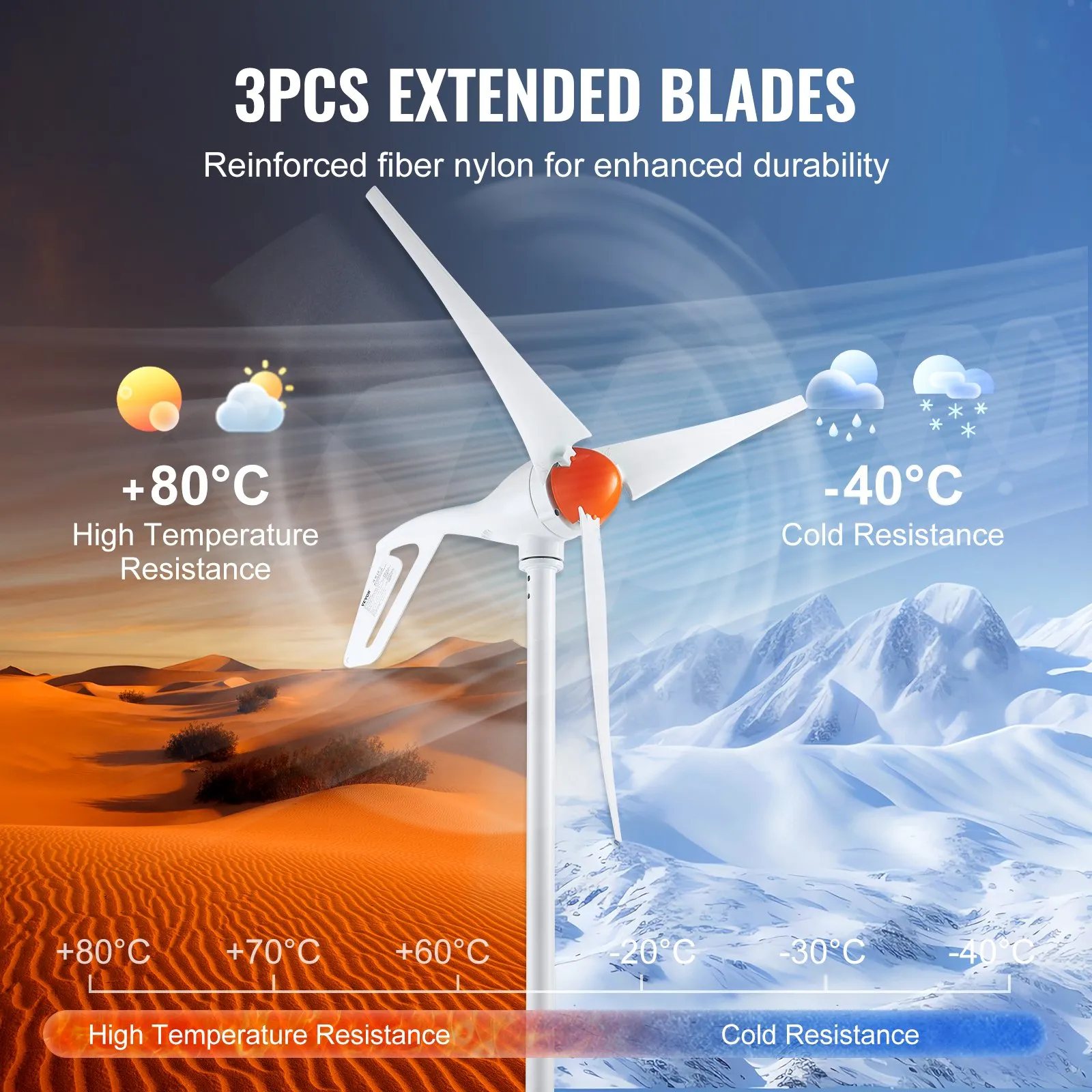
If you browse online marketplaces, you’ll likely see 400-watt micro-turbines selling for under $500. While these are great for charging a small battery on an RV or a boat, they will not power your home or significantly lower your electricity bill.
To truly offset your household energy usage, you need a residential-grade wind turbine system (typically ranging from 5kW to 15kW). These systems are tied directly into your home's electrical grid (and often paired with battery storage like a Tesla Powerwall).
When the wind blows, your meter spins backward. When it doesn't, you draw from your battery or the grid.
💰 How Much Does a Real Home Wind System Cost?
The cost of a residential wind turbine depends heavily on the size of the system and the height of the tower (taller towers catch stronger, more consistent wind).
Here is a realistic breakdown for 2025:
- Equipment & Installation: A fully installed 5kW to 10kW system typically costs between $20,000 and $50,000.
- The Payback Period: Depending on your local electricity rates and wind speeds, a properly sized turbine can save you $1,000 to $3,000 annually. Most homeowners see a full return on investment within 10 to 15 years—and enjoy free electricity for decades after.
While the upfront cost sounds steep, the U.S. government is currently handing out massive incentives to homeowners who make the switch.
🏛️ The Game-Changer: The 30% Federal Tax Credit
If you install a qualifying small wind energy property in 2025, you are eligible for the Residential Clean Energy Credit (IRS Form 5695).
This is not a deduction; it is a dollar-for-dollar tax credit equal to 30% of the total cost of your system.
- Example: If your total installation cost is $30,000, you will receive a $9,000 credit on your federal taxes.
- What's Covered: The credit covers the turbine, the tower, labor, wiring, and even battery storage systems.
- Urgency: This 30% rate is locked in through the end of 2025, but future legislative changes could alter these benefits. Now is the time to lock in your savings.
🌬️ Is Your Property Suitable for Wind Power?
 🌬️ Is Your Property Suitable for Wind Power?
Wind energy isn't for everyone. Before requesting a quote from a local installer, check if your property meets these three criteria:
- Sufficient Space: You typically need at least ½ to 1 acre of land. Wind turbines need to be placed far enough away from buildings and trees to catch "clean," unobstructed wind.
- Good Wind Resources: Your area should have an average annual wind speed of at least 10 to 12 mph. (States like Texas, Iowa, Oklahoma, and coastal regions are prime real estate for wind power).
- Zoning Laws: Check your local HOA or county zoning regulations regarding tower heights. Most residential turbines require a tower that is 60 to 100 feet tall.
⚖️ Solar vs. Wind: Why Not Both?
Many homeowners wonder if they should choose solar panels OR a wind turbine. In 2025, the smartest investment is often a Hybrid System.
Solar panels produce power during sunny days, while wind turbines often spin fastest at night and during stormy winter weather. By combining both, you create a seamless, year-round energy generating powerhouse that makes you virtually immune to grid outages and rate hikes.
🚀 The Next Step: Don't Guess, Get a Quote
The biggest mistake homeowners make is assuming wind power is either too expensive or won't work in their area. Because local incentives, wind mapping, and installation costs vary wildly by zip code, the only way to know your true potential savings is to get a professional assessment.
Are you ready to stop renting your electricity and start owning it