 1. The Concept of Supportive Independent Living
 1. The Concept of Supportive Independent Living
The Salvation Army senior housing model is built on the foundation of supportive independent living. This means that while residents have their own private apartments and maintain their autonomy, they also have access to a network of services that assist with the challenges of aging. In 2026, these communities have integrated modern amenities and safety features to accommodate a new generation of seniors who are more tech savvy but still require the financial protection offered by government subsidies.
2. Eligibility and Financial Accessibility
 2. Eligibility and Financial Accessibility
The primary appeal of Salvation Army apartments is their affordability, which is regulated by federal income guidelines.
Age and Income Thresholds
To qualify for a Silvercrest apartment, at least one member of the household must be 62 years of age or older. Income eligibility is based on the Area Median Income AMI as determined annually by HUD. Most applicants must fall into the Very Low Income category, typically earning 50 percent or less of the local AMI. In 2026, these limits are strictly enforced to ensure that housing is prioritized for those with the greatest financial need.
Rent Calculation and Subsidies
Rent in these facilities is based on the residents ability to pay. Generally, a resident will contribute exactly 30 percent of their adjusted monthly gross income toward rent and utilities. The federal government pays the remaining balance through a Housing Assistance Payment HAP contract. This allows seniors living solely on Social Security or modest pensions to live in premium locations without the fear of being priced out by inflation.
3. On Site Services and Facility Features
Salvation Army communities are designed specifically for the needs of the elderly, focusing on accessibility and social wellness.
Apartment Amenities
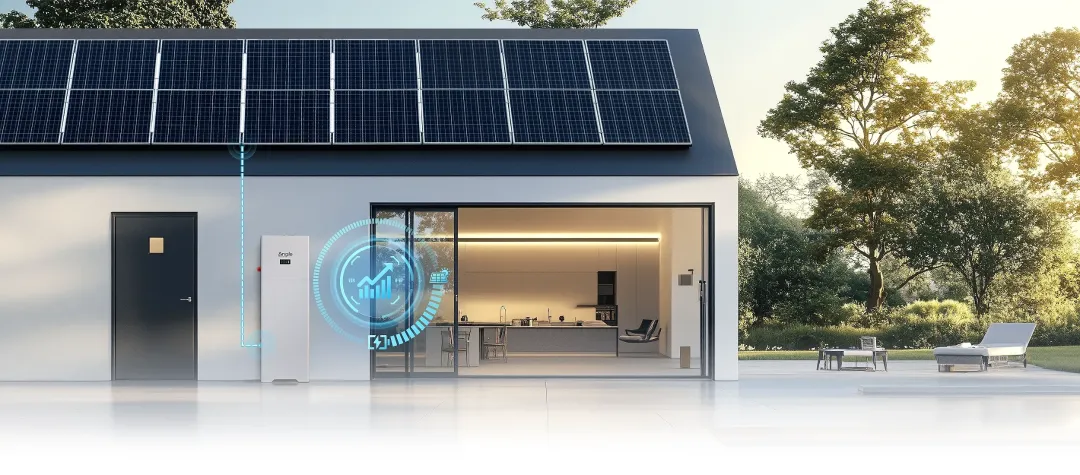
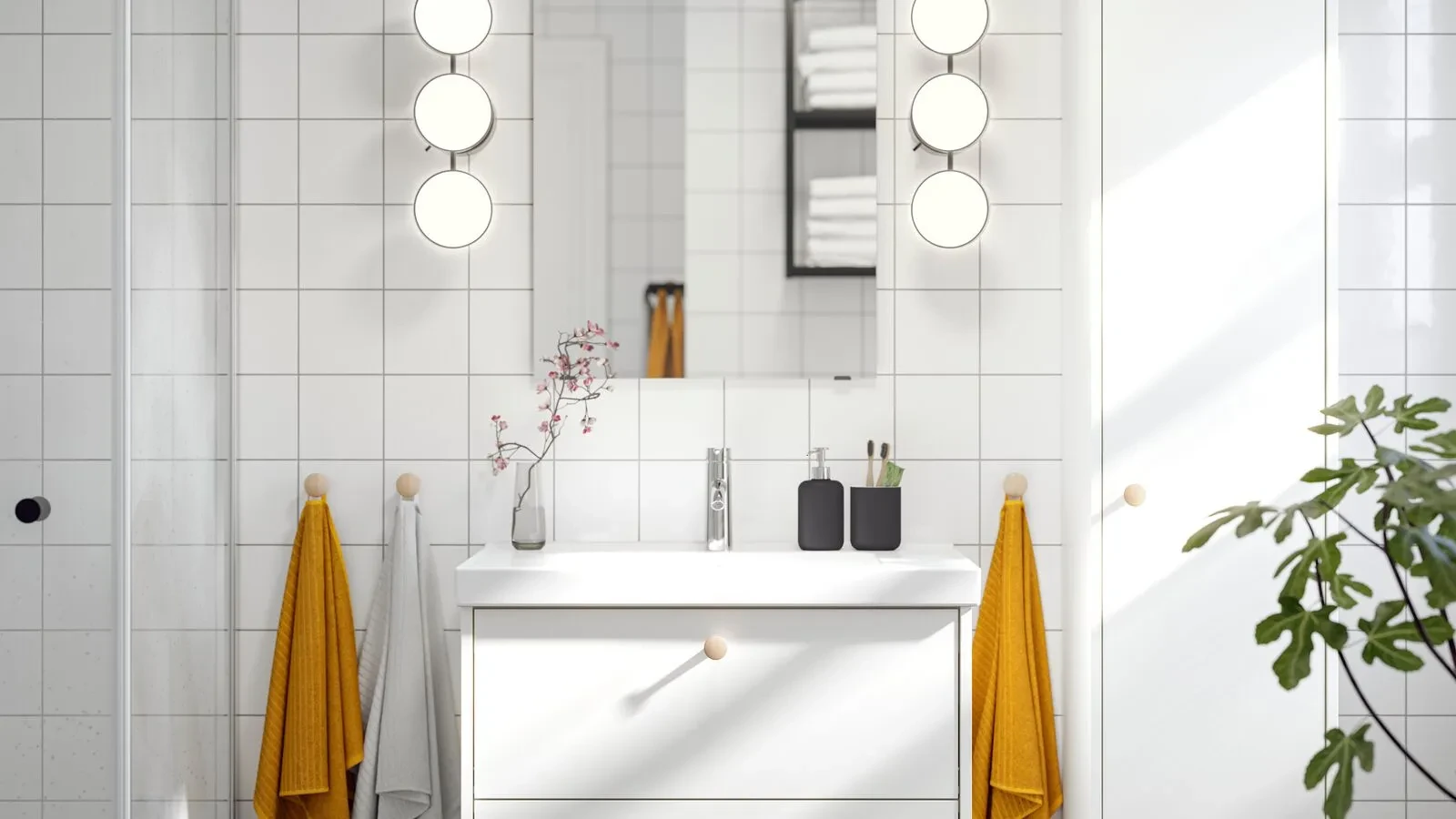
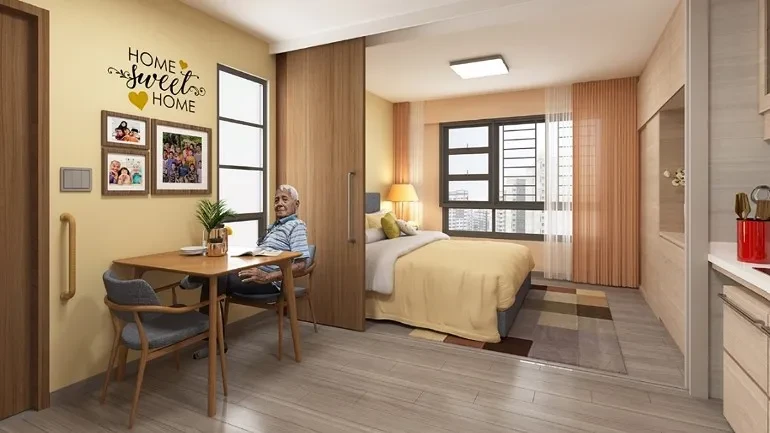
Typical units are one bedroom or studio apartments that include a full kitchen, living area, and a bathroom equipped with safety grab bars and emergency pull cords. In 2026, many renovated Silvercrest buildings have introduced smart home features, such as voice activated lighting and advanced filtration systems, to enhance the daily lives of residents with limited mobility.
The Service Coordinator Program
A unique component of The Salvation Army model is the Service Coordinator. This staff member acts as a bridge between the resident and community based services. They assist seniors with enrolling in Medicare, organizing transportation to medical appointments, and coordinating home health aides. This professional support is a key reason why many residents are able to avoid moving into nursing homes for much longer than they would in traditional apartments.
4. Community Life and Social Engagement
The Salvation Army believes that a home is more than just a physical structure. To combat the growing issue of senior isolation, Silvercrest communities emphasize social interaction.
Social Activities and Common Areas
Buildings typically feature libraries, computer labs, and large community rooms where residents gather for coffee hours, birthday celebrations, and fitness classes. Optional spiritual programs and Bible studies are often available for those who wish to participate, reflecting the organizations mission of compassion. In 2026, many locations have also partnered with local schools and non profits to bring intergenerational programming into the residences.
Safety and Security
Peace of mind is a top priority. Salvation Army senior housing facilities usually offer controlled access entry systems and on site management. Many locations also have 24 hour emergency response systems, ensuring that help is always available if a resident falls or experiences a medical emergency.
5. Navigating the Application and Waiting List
Due to the extreme shortage of affordable senior housing in the United States, prospective residents must be prepared for a waiting period.
Application Process
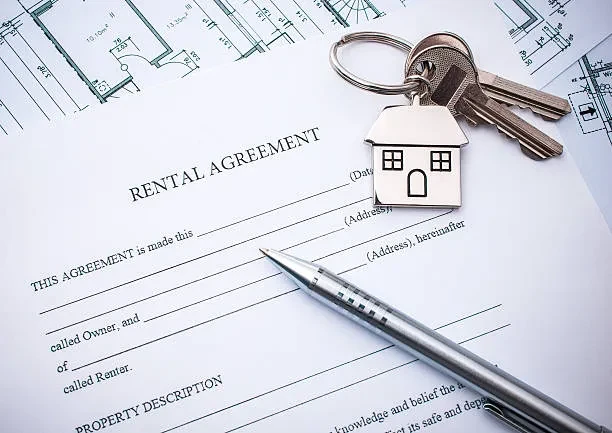
Interested individuals must apply directly to the specific Silvercrest or Salvation Army property they wish to live in. The process involve a thorough review of income, assets, and rental history. In 2026, many properties allow for initial inquiries through online portals, though a face to face interview is almost always required before a lease is signed.
Managing Expectations
Waiting lists can range from six months to several years depending on the location and the turnover rate of the building. It is highly recommended that seniors begin researching and applying for these apartments several years before they anticipate an urgent need for a move.
Conclusion
The Salvation Army senior housing program in 2026 remains a beacon of hope for thousands of older Americans. By combining federal funding with a legacy of charitable service, Silvercrest and Booth Manor residences provide a blueprint for how a society can care for its elders. For those looking for a community that values dignity over profit, The Salvation Army offers a stable and nurturing environment where seniors can truly thrive during their retirement years.