 1. 2026 Categories of Senior Housing
 1. 2026 Categories of Senior Housing
In 2026, senior housing is primarily classified by the level of daily assistance and medical care provided.
Active Adult Communities (55+)
 Active Adult Communities (55+)
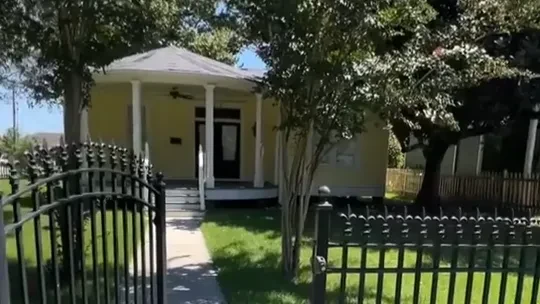
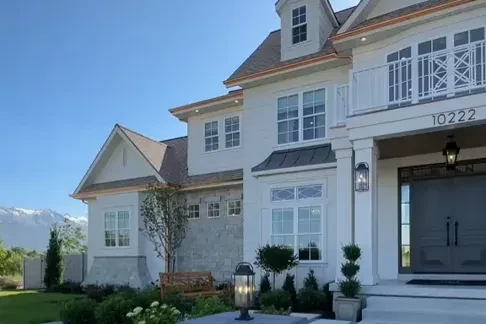
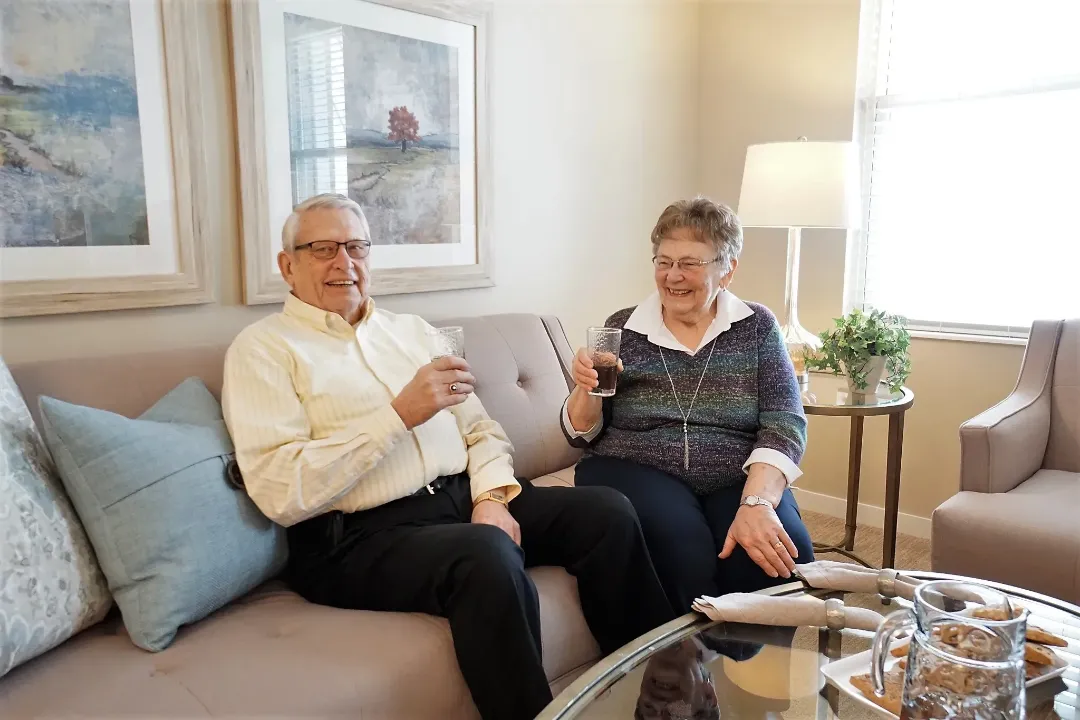
These are age-restricted residential neighborhoods designed for seniors who require zero assistance but seek a community of peers.
- 2026 Trend: These communities are increasingly integrated into "Intergenerational Districts," allowing seniors to remain connected to younger urban hubs.
- Cost Model: Typically follows market-rate rentals or traditional homeownership with additional monthly Homeowners Association HOA fees.
Independent Living (IL)
Ideal for seniors who can care for themselves but wish to eliminate the burden of home maintenance.
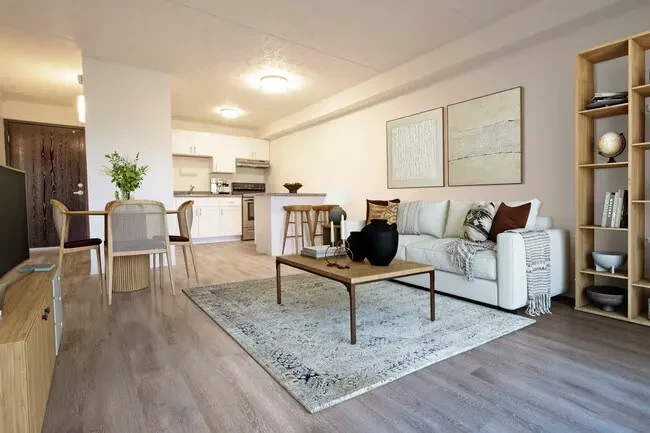
- 2026 Amenities: Standard features now include "Smart Home" integration, chef-prepared dining plans, and biophilic architectural designs that incorporate natural light and indoor greenery.
- National Median Cost: As of March 2026, the national median cost for independent living is approximately 3,200 USD per month, though state-level costs vary from 1,282 USD in Mississippi to over 6,100 USD in Maine.
Assisted Living (AL)
Designed for seniors who require help with Activities of Daily Living ADLs such as bathing, dressing, and medication management.
- 2026 Innovation: The rise of "A La Carte" service bundles allows residents to pay only for the specific care tiers they need, rather than a flat all-inclusive fee.
- National Median Cost: The 2026 national median for assisted living has reached approximately 5,900 USD per month.
Continuing Care Retirement Communities (CCRC)
Also known as Life Plan Communities, these offer a "Life Care" contract that transitions residents from Independent Living to Assisted Living and Skilled Nursing as their health declines.
- 2026 Entry Fees: CCRCs often require a significant upfront buy-in fee, which averages around 400,000 USD in 2026, followed by monthly service fees.
2. Federal Support and Subsidized Housing: 2026 Updates
For low-income seniors, 2026 has brought critical legislative updates to federal housing programs.
HUD Section 202 Supportive Housing
Section 202 is the flagship federal program for seniors aged 62 and older with "Very Low Income."
- 2026 Funding Boost: In January 2026, bipartisan legislation rejected proposed budget cuts and instead increased funding for Section 202 to nearly 972 million USD. This funding specifically supports Service Coordinator grants, helping residents navigate healthcare and social services while aging in place.
- Rental Assistance Demonstration (RAD): 2026 marks an expansion in the use of RAD to preserve older Section 202 properties, allowing nonprofit owners to access private capital for much-needed renovations.
Low-Income Housing Tax Credit (LIHTC)
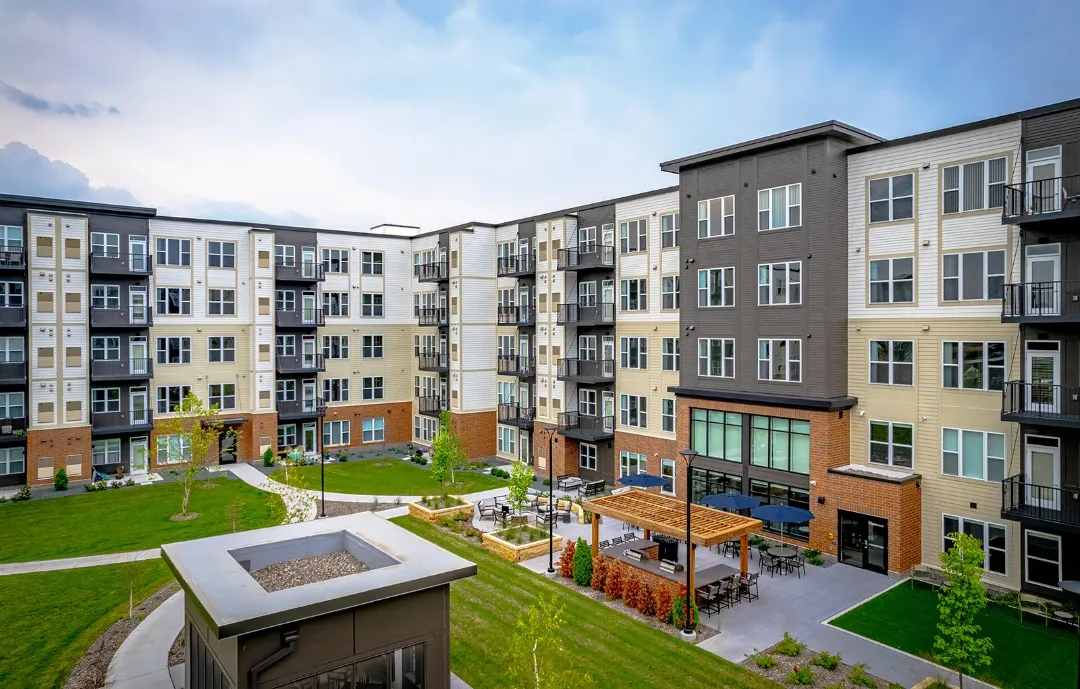
In 2026, LIHTC remains the primary driver for new affordable senior apartment construction. These units are "income-restricted," typically requiring residents to earn between 30 and 60 percent of the Area Median Income AMI.
3. Technology and Wellness Trends in 2026
The "Future of Senior Living" in 2026 is defined by a heavy reliance on Artificial Intelligence and proactive healthcare.
- AI Health Monitoring: 2026 senior apartments are increasingly equipped with passive AI sensors that track gait, sleep patterns, and vital signs, alerting staff to potential falls or health declines before they occur.
- Telemedicine Suites: On-site virtual doctor visit rooms have become a standard 2026 amenity, reducing the need for stressful transportation to external clinics.
- Holistic Wellness: Moving beyond "bingo and cards," 2026 programming focuses on cognitive fitness, mindfulness practices, and intergenerational social engagement.
4. Geographic Cost Variations in 2026
Location remains the primary factor in senior housing affordability in 2026.
| State | Independent Living (Median) | Assisted Living (Median) |
|---|---|---|
| Florida | 2,300 USD | 3,000 USD |
| Arizona | 2,400 USD | 3,600 USD |
| California | 3,634 USD | 5,739 USD |
| New York | 3,400 USD | 6,195 USD |
| Maine | 6,162 USD | 7,480 USD |
Note: These 2026 figures represent starting median costs and can fluctuate based on specific city demand and luxury tiering.
5. Strategic Advice for Families in 2026
Given the record-high occupancy rates in 2026, the following strategies are recommended for securing a placement:
- Early Assessment: Begin the search 18 to 24 months before a move is necessary. In 2026, waitlists for high-quality "Boutique" communities can exceed one year.
- Financial Auditing: Consult with a 2026-certified elder law attorney to understand "Spend Down" rules for Medicaid eligibility and to protect assets while transitioning to long-term care.
- Verify Tech Infrastructure: When touring facilities in 2026, inquire about the reliability of their telehealth systems and the transparency of their AI health data sharing with family members.
Conclusion
Senior living in the United States in 2026 is no longer a one-size-fits-all model. The convergence of the "Age 80 Wave" with technological innovation and a federal commitment to preserving Section 202 affordable housing has created a marketplace that prioritizes independence and proactive wellness. While costs continue to rise due to labor shortages and inflation, the emergence of middle-market "Active Adult" options and the preservation of subsidized housing provide pathways for a wide demographic of older Americans. As 2026 continues to redefine aging, the most successful senior living transitions will be those that leverage modern technology, utilize federal rent assistance, and prioritize communities that offer a seamless continuum of care in a manageable, human-centered environment.