 1. 2026 Residential Tiers: Choosing the Right Level of Care
 1. 2026 Residential Tiers: Choosing the Right Level of Care
In 2026, Australian seniors primarily choose between three housing models based on their independence and healthcare requirements.
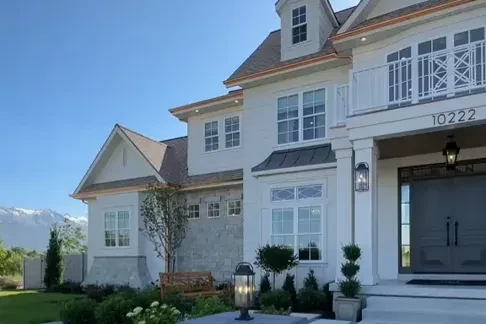
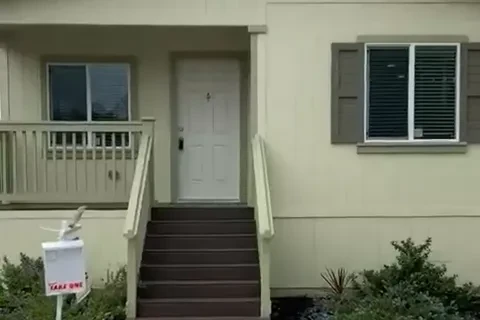
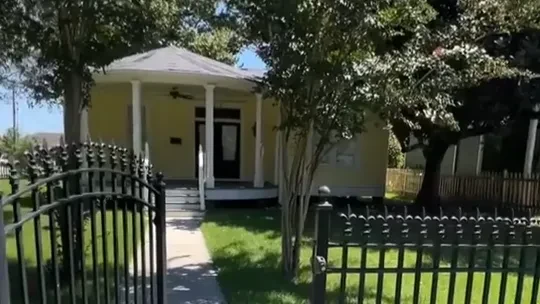
Independent Living Units (ILUs) and Villas
These are designed for active seniors who want to downsize into a secure community while maintaining full autonomy.
- 2026 Market Status: ILUs remain the most in-demand segment. Modern 2026 villas often feature "Universal Design" (wider doorways, no-step entries) and high-speed fiber connectivity for telehealth.
- Cost Model: Typically sold under a "Loan-Licence" agreement, where you pay an entry contribution and a monthly service fee.
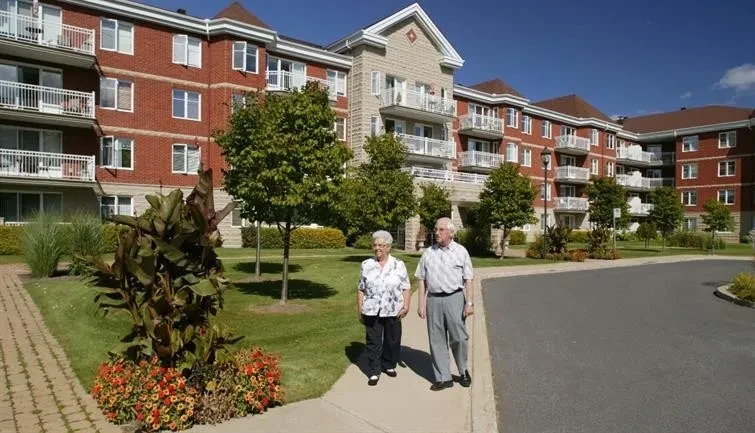
Serviced Apartments and Assisted Living
For those who need a little extra help with daily chores like cleaning, laundry, and meals.
- 2026 Integration: Many 2026 retirement villages now incorporate "Private Care Suites," which are boutique-style rooms offering hotel-like amenities with professional nursing support available 24/7.
Residential Aged Care (Nursing Homes)
 Residential Aged Care (Nursing Homes)
The highest level of care for those with complex medical needs or advanced dementia.
- 2026 Reform: In March 2026, the government implemented a 3.2 percent net increase to provider payment rates, ensuring better staffing ratios and higher quality food standards across Australian facilities.
2. The 2026 Support at Home Program: A Generational Reform
Effective late 2025 and fully operational in 2026, the Support at Home program has replaced the old Home Care Packages (HCP) system.
- Eight Funding Levels: In 2026, funding is categorized into eight distinct levels based on clinical need, with the highest level providing up to 78,000 AUD per year in subsidies.
- Quarterly Budgets: Unlike the old daily subsidy model, 2026 participants receive a quarterly budget, allowing for more flexible spending on equipment, home modifications, and specialized therapy.
- Price Caps: From July 1, 2026, the Australian Government will apply strict price caps to services to ensure consistency and prevent "provider price gouging" in the senior housing sector.
3. Financial Structure and "Exit Fees" in 2026
Entering an Australian retirement village in 2026 involves a unique financial arrangement that differs significantly from the traditional residential real estate market.
- Entry Contribution: An upfront payment that is usually lower than the median house price in the surrounding suburb, making downsizing financially attractive for "Asset-Rich, Income-Poor" pensioners.
- Deferred Management Fee (DMF): Often called the "Exit Fee." In 2026, this typically ranges from 25 to 35 percent of either the entry price or the resale price, deducted after the resident leaves the village.
- Capital Gains Sharing: Some 2026 contracts allow residents to share in the capital growth of the unit, while others are "Non-Capital Gain" agreements. Prospective residents must carefully review these terms with a 2026-certified financial advisor.
4. State-Level Cost Variations (March 2026 Data)
| State | Median Entry Price (2-Bed Villa) | Monthly Service Fee (Avg) |
|---|---|---|
| New South Wales | 735,000 AUD | 650 - 900 AUD |
| Victoria | 680,000 AUD | 600 - 850 AUD |
| Queensland | 610,000 AUD | 550 - 800 AUD |
| South Australia | 530,000 AUD | 500 - 750 AUD |
| Western Australia | 590,000 AUD | 580 - 820 AUD |
Note: 2026 prices in premium coastal areas or "Lifestyle Resorts" can exceed 1.2 million AUD.
5. Technology and Lifestyle Trends in 2026
The "Modern Retiree" of 2026 has higher expectations for technology and social engagement than previous generations.
- Smart Village Apps: 2026 residents use integrated apps to book village transport, order meals from on-site cafes, and participate in "Virtual Village" social events.
- Sustainability: Solar arrays and EV charging stations have become standard 2026 requirements for new retirement village developments to combat rising energy costs for residents on fixed incomes.
- Wellness Hubs: 2026 communities are replacing simple gyms with "Longevity Centers" that offer hydrotherapy, strength training for bone density, and cognitive health workshops.
6. How to Apply: The 2026 Roadmap
- Step 1: My Aged Care Assessment. In 2026, all government-funded support begins with a "National Priority System" assessment via the My Aged Care website.
- Step 2: Financial Disclosure. Use the "Means Test" tool to determine your "Basic Daily Fee" and any "Means-Tested Care Fees" applicable to your 2026 income and assets.
- Step 3: Village Inspection. Visit at least three villages. In 2026, it is standard practice to ask for the "Village Comparison Document" (VCD), which provides a transparent breakdown of all 2026 fees and services.
Conclusion
Senior living in Australia in 2026 is defined by flexibility, transparency, and a focus on wellness. The shift to the Support at Home program has empowered Australians to remain in their chosen retirement village for longer, effectively turning "Independent Living" into a lifelong residential solution. While 2026 entry prices and exit fees require careful financial planning, the integration of 24/7 care suites and advanced health technology ensures that the modern Australian retirement village is no longer just a place to live—it is a proactive environment for ageing well. For those entering the market in 2026, the key to success is early research, a clear understanding of the Support at Home quarterly budget, and selecting a community that aligns with both current lifestyle desires and future care needs.