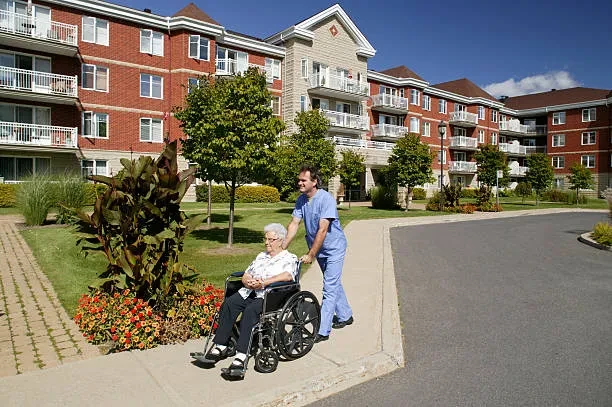
This type of loan allows eligible homeowners to convert part of their home’s value into cash while continuing to live in their property.
This guide explains:
- What a reverse mortgage is
- Who it may be suitable for
- How much funding may be available
- Potential risks to consider
- Major reverse mortgage lenders in Canada
What Is a Reverse Mortgage
A reverse mortgage is a loan designed specifically for older homeowners.
Unlike traditional mortgages, reverse mortgages typically have the following characteristics:
- No required monthly repayments
- The home is used as collateral for the loan
- The homeowner can continue living in the property
- The loan is usually repaid when the home is sold or the homeowner passes away
In simple terms, a reverse mortgage allows homeowners to access part of their home equity in advance, which can be used to supplement retirement income or cover living expenses.
How Much Can Be Borrowed in Canada
In Canada, the loan amount typically depends on several factors:
- Age of the homeowner
- Current market value of the property
- Property location
- Interest rate conditions
In many cases, homeowners may qualify for approximately:
20% – 55% of the home’s value
Example:
Home value: CAD $800,000
Estimated loan amount: CAD $160,000 – $440,000
Funds can usually be received through:
- A lump-sum payment
- Scheduled payments
- Flexible withdrawals when needed
Major Reverse Mortgage Lenders in Canada
The reverse mortgage market in Canada is mainly served by two financial institutions.
HomeEquity Bank
Main product:
CHIP Reverse Mortgage
Key features:
- Designed for homeowners aged 55 and older
- No monthly mortgage payments required
- Homeowners continue living in their property
Equitable Bank
Main product:
Flex Reverse Mortgage
Key features:
- Flexible withdrawal options
- Funds can be taken as a lump sum or in stages
Who May Benefit from a Reverse Mortgage
Reverse mortgages are not suitable for everyone, but they may be helpful for the following groups.
Homeowners with Valuable Property but Limited Cash Flow
Many retirees own their homes but have limited pension income or savings.
A reverse mortgage can unlock part of the home’s value.
Seniors Who Prefer to Stay in Their Homes
Unlike selling a property, a reverse mortgage allows homeowners to:
- Continue living in their home
- Maintain ownership
- Access additional financial support
Retirees Seeking Additional Income
Funds from a reverse mortgage may be used for:
- Everyday living expenses
- Medical costs
- Home maintenance or renovation
- Supporting retirement lifestyle needs
Families Without Plans to Preserve Full Home Equity for Inheritance
Over time, accumulated interest may reduce the remaining equity in the property.
Basic Eligibility Requirements
In Canada, applicants typically need to meet the following criteria.
Age:
55 years or older
Property requirements:
- The home must be located in Canada
- The property must be the primary residence
Ownership:
- The applicant must own the property
If the property is jointly owned, both homeowners usually participate in the application.
Potential Risks to Consider
Understanding the risks is important before applying for a reverse mortgage.
Accumulating Interest
Interest on a reverse mortgage continues to accumulate over time.
As a result, the remaining home equity may decrease when the property is eventually sold.
Interest Rates May Be Higher
Because the loan duration is uncertain, reverse mortgage interest rates are often higher than traditional mortgage rates.
Additional Costs
Some costs may be associated with setting up the loan, such as:
- Property appraisal fees
- Legal costs
- Loan setup fees
Loan Repayment May Be Required if the Home Is No Longer Occupied
If the homeowner:
- Sells the property
- Moves out permanently
- Enters long-term care
the loan typically becomes due.
Common Questions
Will the bank take ownership of the home?
No.
The homeowner generally retains ownership and can continue living in the property.
Can the loan exceed the home’s value?
Most reverse mortgage products in Canada include a no negative equity guarantee, meaning the loan balance will not exceed the value of the home when it is sold.
How to Find Out If You May Qualify
A reverse mortgage may be worth exploring if the following apply:
- Age 55 or older
- Own a property in Canada
- The property has substantial value
- Additional retirement cash flow is desired
Many lenders provide online eligibility tools that estimate the possible loan amount based on property value and homeowner age.
Summary
For homeowners in Canada, a reverse mortgage can be a way to convert home equity into additional cash flow during retirement.
It may provide financial flexibility without requiring the sale of the home, but it is important to understand the loan structure, interest costs, and potential impact on future home equity before making a decision.
Careful planning can help retirees maintain greater financial stability and flexibility throughout retirement.