 Why Renting an Apartment Makes Sense Today
 Why Renting an Apartment Makes Sense Today
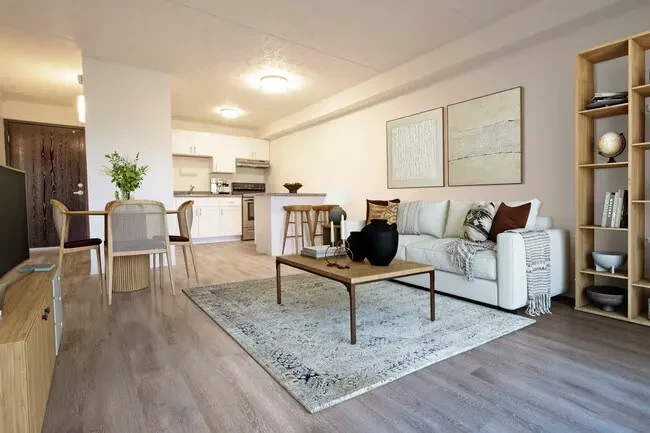
The decision to rent rather than buy has become increasingly popular among people at every stage of life. Renting offers flexibility, predictability, and freedom that homeownership simply cannot match.
The Freedom to Live Your Life
When you rent, your home works for you, not the other way around. You gain the ability to:
Move with ease: Accept that dream job in another city without the burden of selling a house
Adapt to life changes: Upgrade or downsize as your family grows or children leave the nest
Explore neighborhoods: Live in an area for a year before committing to a long-term purchase
Travel worry-free: Lock your door and go, knowing maintenance issues aren’t your problem
Financial Predictability
Renting provides a level of financial certainty that ownership rarely offers:
Fixed monthly costs: Your rent covers your home, and you’ll never face an unexpected $10,000 roof replacement
No property taxes: Those annual bills belong to your landlord, not you
No maintenance surprises: When the dishwasher breaks or the faucet leaks, one phone call solves it—at no cost to you
Utilities often included: Many apartments bundle water, trash, and even electricity into one monthly payment
Amenities Without the Upkeep
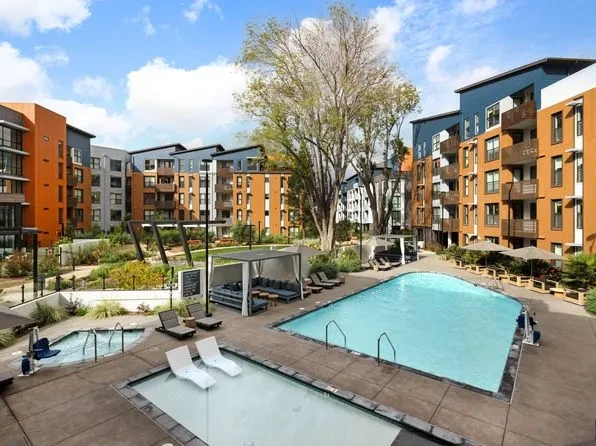
Modern apartment communities offer amenities that would be prohibitively expensive to own yourself:
Resort-style swimming pools and fitness centers
Rooftop terraces with skyline views
Co-working spaces and private offices
Package lockers and concierge services
Dog parks and pet spas
Entertainment lounges and game roomsTypes of Apartment Rentals: Finding Your Fit
The apartment market offers diverse options to match different lifestyles, budgets, and needs.
Luxury Apartments: Elevated Living
These communities focus on premium experiences and high-end finishes.
What Makes Them Special:
Designer kitchens with stainless steel appliances and quartz countertops
Spa-inspired bathrooms with rainfall showers
Smart home technology and keyless entry
Comprehensive amenity packages
Professional on-site management and 24/7 maintenanceWho Thrives Here:
Professionals with higher budgets who value convenience, design, and resort-style living. If you want a space that feels like a five-star hotel every day, this is your world.Mid-Range Apartments: The Sweet Spot
These communities balance affordability with comfort and essential amenities.
What Makes Them Special:
Comfortable, well-maintained living spaces
Essential amenities like laundry facilities or in-unit hookups
Responsive maintenance teams
Community feel without the premium price tag
Often located in convenient, established neighborhoodsWho Thrives Here:
The vast majority of renters—individuals and families who want quality, comfort, and reliability without paying for extras they won’t use.Affordable Apartments: Smart Living
These options make renting accessible to those on tighter budgets.
What Makes Them Special:
Below-market rental rates
Government-subsidized or income-restricted options available
Basic but comfortable living spaces
Often located in diverse, vibrant communities
Waitlists that reward patience with significant savingsWho Thrives Here:
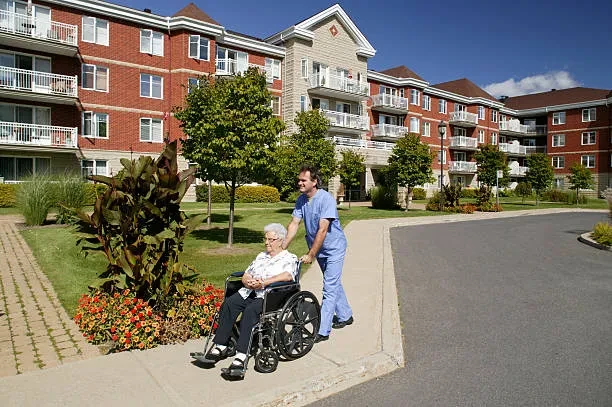
Students, entry-level workers, seniors on fixed incomes, and anyone prioritizing savings on housing to allocate funds elsewhere.Urban Apartments: City Living
Located in the heart of downtown areas, these apartments put you steps from everything.
What Makes Them Special:
Walkability to restaurants, shops, and entertainment
Access to public transportation
Rooftop views of the city skyline
Historic buildings with character or sleek new construction
The energy and excitement of urban lifeWho Thrives Here:
City lovers who want to be in the middle of the action. If you thrive on energy, convenience, and never needing a car, this is your perfect fit.Suburban Apartments: Space and Community
Located outside city centers, these communities often offer more space and a quieter atmosphere.
What Makes Them Special:
Larger floor plans and more square footage
Better school districts for families
Ample parking and green space
Quieter, more residential settings
Often closer to nature and parksWho Thrives Here:
Families, remote workers who want home office space, and anyone seeking breathing room without sacrificing rental convenience.The Search: A Step-by-Step Guide to Finding Home
Phase One: Know Yourself
Before you tour a single apartment, take time to understand what you truly need.
Ask yourself honestly:
What does my perfect day at home look like?
What am I currently missing in my living situation?
What can I absolutely not live without?
What am I willing to compromise on?Get practical:
Calculate your budget: A common rule is to spend no more than 30% of your gross monthly income on rent
Choose your location: Map out work, school, family, and favorite places
List non-negotiables: In-unit laundry? Parking? Pet-friendliness? Outdoor space?
Consider your commute: Test drive potential routes during rush hour
Phase Two: The Hunt
Now the real work begins—and it can be genuinely exciting.
Cast a wide net:
Use reputable apartment search websites and apps
Work with a rental agent who knows your target neighborhoods
Drive through areas you love and look for “For Rent” signs
Join local community groups on social media for leads
Ask friends and colleagues for recommendationsDo your homework:
Research management company reputations online
Read reviews from current and former residents
Check for any history of maintenance issues or security problems
Verify the neighborhood’s safety and walkability scoresCreate your shortlist: Narrow to 5-7 communities that genuinely excite you.
Phase Three: The Visits
This is where you separate the brochure from the reality.
Tour like a detective:
Visit at different times—weekday evening, weekend afternoon
Talk to residents in the hallway or elevator if you can
Test water pressure in the kitchen and bathroom
Check cell phone reception in every room
Open cabinets and closets to assess storage
Look for signs of pests or maintenance issues
Ask about package delivery and mail systemsAsk the questions that matter:
“What is included in the monthly rent?”
“How are maintenance requests handled, and how quickly?”
“What has the average rent increase been over the past three years?”
“Can I see the exact unit I would rent, not just a model?”
“What is the parking situation and cost?”
“How do you handle noise complaints?”
“What is the pet policy, including fees and restrictions?”
“Are there any upcoming building improvements or special assessments?”Trust your gut: The right place will feel right. You’ll sense it in the way the lobby smells, the friendliness of staff, and the simple feeling of possibility that washes over you as you walk through.
Phase Four: The Decision
You’ve done the work. Now it’s time to choose.
Compare apples to apples:
Calculate total monthly costs: rent + parking + pet fees + utilities + renter’s insurance
Factor in amenities value: Would you pay for a gym membership elsewhere?
Consider the commute and neighborhood convenienceReview the lease carefully:
Understand the lease term and renewal process
Know the penalties for breaking the lease
Clarify who pays for utilities and trash
Read the fine print on guests, subletting, and pets
Understand the security deposit return processPhase Five: The Move-In
Moving day is just the beginning of making a place your home.
Before you move:
Take photos of every room documenting existing damage
Get renter’s insurance before you bring in your belongings
Set up utilities if not included in rent
Change your address with USPS, banks, and subscriptionsAfter you arrive:
Introduce yourself to neighbors immediately
Explore the community amenities
Attend resident events if offered
Give yourself time to adjust—it takes about 90 days to feel truly at homeThe Numbers: What You’ll Really Pay
Note: These are national averages. Actual costs vary significantly by city, neighborhood, and unit type.
Additional costs to budget for:
Security deposit: typically one month’s rent
Application fees: $30-$75 per application
Pet fees: $200-$500 non-refundable, plus monthly pet rent
Parking: $50-$300 monthly
Renter’s insurance: $10-$30 monthly
Utilities not included: electricity, gas, internet, cableRed Flags: When to Walk Away
Trust your instincts when something feels off. Walk away if you encounter:
Pressure to decide immediately without time to review the lease
Reluctance to show you the exact unit available
Unwillingness to put promises in writing
Poor maintenance in common areas or model units
Bad smells that suggest mold, smoke, or pest issues
Unprofessional staff or management
Excessive negative reviews mentioning similar problems
Unclear lease terms or verbal promises that contradict written agreements
FAQ: Your Apartment Rental Questions Answered
How much should I spend on rent?
Most financial experts recommend spending no more than 30% of your gross monthly income on rent. For example, if you earn $5,000 monthly, aim for rent around $1,500 or less.What credit score do I need to rent an apartment?
Most landlords look for a credit score of 620 or higher. If your score is lower, you may need a co-signer, larger deposit, or offer to pay several months upfront.Can I negotiate rent?
Yes! In many markets, rent is negotiable—especially if you’re signing a longer lease, renting in off-peak seasons (fall/winter), or the unit has been vacant for a while.How far in advance should I start looking?
Start your search 60-90 days before your desired move-in date. The sweet spot for applying is usually 30-45 days out, when most units become available.What documents do I need to apply?
Typically: government ID, recent pay stubs or tax returns, bank statements, rental history with references, and a completed application form.Is renter’s insurance really necessary?
Absolutely. Your landlord’s insurance covers the building, not your belongings. For a few dollars a month, renter’s insurance protects your possessions and provides liability coverage.What questions should I ask before signing?
Ask about maintenance response times, rent increase history, renewal policies, subletting rules, guest policies, and any upcoming building changes.Conclusion: Your Home Awaits
The search for an apartment is really a search for something deeper. It’s a search for a place where you can exhale at the end of a long day, where you can host friends for dinner, where you can curl up with a book and feel completely at peace. It’s about finding not just four walls and a roof, but a space that truly feels like yours.
Whether you’re looking for a sleek urban high-rise, a quiet suburban garden apartment, or something in between, the perfect home is out there. It might have a kitchen where you’ll cook your favorite meals. It might have a balcony where you’ll watch the sunset. It might have neighbors who become close friends. It might simply have the perfect corner for your favorite chair and the profound relief of knowing that when something breaks, it’s not your problem anymore.
Your home is waiting. The search begins today. And the reward—a space that comforts you, a community that welcomes you, and the freedom to simply be yourself—is worth every step of the journey.