1. 2026 Federal Incentives: The 3,200 USD Annual Advantage
Under the 2026 updated tax codes, homeowners can claim significant non-refundable credits for qualifying energy-efficient improvements made to their primary residence.
- Energy Efficient Home Improvement Credit (25C): Homeowners can claim 30 percent of the cost of specific upgrades, up to an annual limit of 1,200 USD. However, a separate 2,000 USD annual limit applies specifically to heat pumps and biomass stoves, allowing for a total potential credit of 3,200 USD per year.
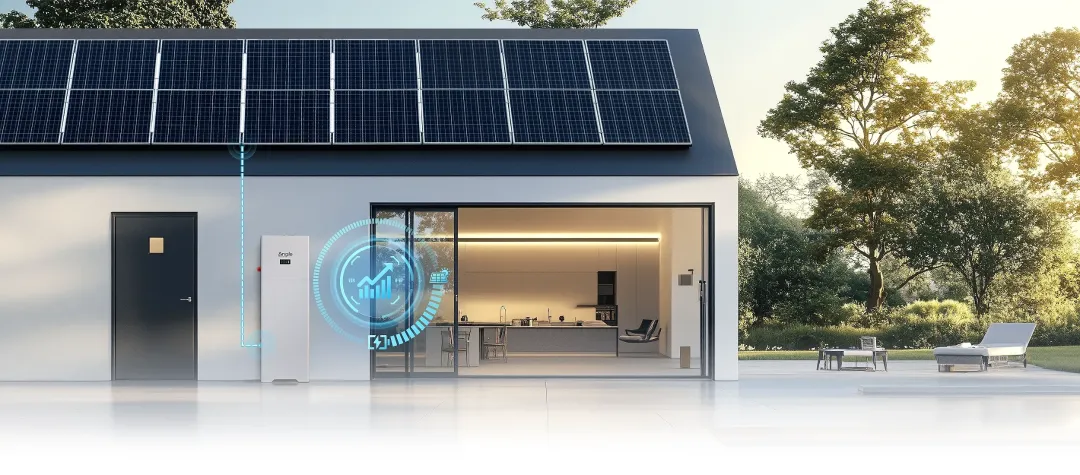
- Residential Clean Energy Credit (25D): Provides a 30 percent tax credit for major renewable installations including solar PV systems, wind turbines, and battery storage. In 2026, there is no annual cap or lifetime limit for this credit, and excess amounts can be carried forward to future tax years.
- Home Energy Audits: To qualify for 2026 credits, audits must be conducted by a certified professional (BPI or RESNET). The tax credit covers 30 percent of the audit cost, up to 150 USD.
 2. The 2026 HEEHRA and HOMES Rebate Rollout
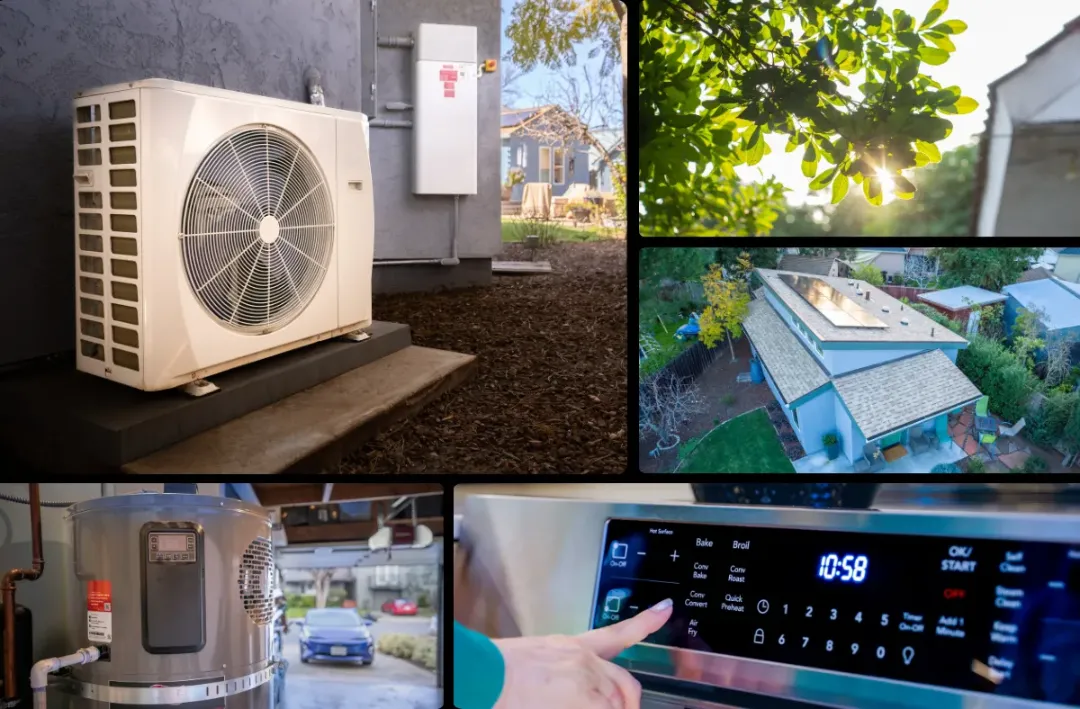 2. The 2026 HEEHRA and HOMES Rebate Rollout
The most significant change in 2026 is the maturity of the state-administered rebate programs, which provide "Point-of-Sale" discounts rather than delayed tax credits.
High-Efficiency Electric Home Rebate Act (HEEHRA)
Targeted at low-to-moderate income (LMI) households to lower the upfront cost of electrification.
- Heat Pump HVAC: Up to 8,000 USD rebate.
- Heat Pump Water Heater: Up to 1,750 USD rebate.
- Electric Stove/Cooktop: Up to 840 USD rebate.
- Electrical Panel Upgrade: Up to 4,000 USD rebate if required for new electric appliances.
- 2026 Income Thresholds: Households earning less than 80 percent of the Area Median Income (AMI) typically qualify for 100 percent of project costs, while those between 80-150 percent AMI qualify for 50 percent.
Home Efficiency Rebates (HOMES)
A "Pay for Performance" program open to all income levels in 2026, providing rebates based on measured energy savings.
- Threshold: Portfolios of projects must achieve at least 15 percent measured energy savings to trigger the rebate.
- 2026 Bonus: Enhanced rebates are available in grid-constrained locations where retrofitting reduces peak demand.
3. High-Impact 2026 Retrofitting Technologies
Modern retrofitting in 2026 utilizes advanced building science to create an airtight, high-performance "Building Envelope."
- Cold-Climate Heat Pumps: 2026 models are designed to operate efficiently even in sub-zero temperatures (down to -22 degrees Fahrenheit), making them viable for the entire Northern United States.
- Vacuum-Insulated Windows: Triple-glazed Low-E windows with vacuum seals are the 2026 standard for high-end retrofits, providing R-values comparable to insulated walls.
- Smart Electrical Panels: These serve as the "brain" of the 2026 home, automatically managing loads between solar, battery, and the grid to avoid high "Time-of-Use" rates.
- Aerosolized Air Sealing: A 2026 favorite for older homes, this technology involves pressurizing the house and spraying a mist of sealant that automatically finds and plugs every micro-leak in the building envelope.
4. 2026 Cost and ROI: The Financial Reality
While material and labor costs have plateaued at elevated 2025 levels, the long-term ROI for 2026 retrofitting remains strong due to increasing energy productivity.
- Average Retrofit Cost: A comprehensive "Whole-Home" retrofit (insulation, heat pump, and smart thermostat) in 2026 typically costs between 18,000 USD and 35,000 USD before incentives.
- Projected Savings: Homeowners can expect a 15 to 30 percent reduction in annual energy bills. For a household spending the 2026 average of 2,500 USD on energy, this represents 375 USD to 750 USD in annual savings.
- Home Value Increase: Data from 2025-2026 real estate transactions suggests that energy-efficient homes sell for a 3 to 7 percent premium compared to non-retrofitted properties in the same zip code.
5. 2026 Roadmap: How to Start Your Retrofit
To ensure your project qualifies for the maximum 2026 incentives, you must follow a structured verification process.
- Step 1: Professional Energy Audit. Hire a BPI-certified auditor to identify your home's "Thermal Weak Points." In 2026, many utilities offer these audits for free or at a subsidized rate.
- Step 2: Check Your State Portal. Visit the DOE’s Home Energy Rebates Portal to see if your state’s HEEHRA or HOMES funds are currently "Active" or on a "Waitlist."
- Step 3: Hire Registered Contractors. To receive point-of-sale rebates in 2026, you must use a contractor registered with your state’s energy office. They will submit the 2026 digital paperwork on your behalf.
- Step 4: Installation and Verification. After installation, a "Post-Retrofit" inspection may be required to verify the energy savings for HOMES rebates.
Conclusion: Home energy retrofitting in 2026 is a sophisticated strategic investment that combines federal tax advantages with immediate state-level rebates. By focusing on the 2,000 USD heat pump credit and the 30 percent solar tax credit, American homeowners can insulate themselves from the 21 percent projected rise in natural gas prices. Whether you are performing a simple air-sealing project or a full net-zero electrification, the 2026 market offers the most robust financial support system in U.S. history. Success depends on moving early in the fiscal year to secure rebate reservations and working with certified professionals who can navigate the 2026 "e-permitting" and incentive verification platforms.