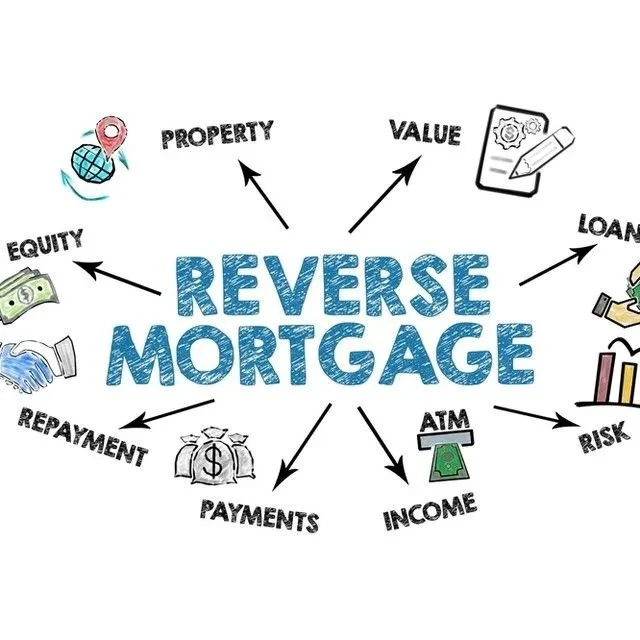
 Choosing the right strategy requires a deep understanding of how to leverage your largest asset—your home—while mitigating the modern risks of inflation and sequence of returns.
1. The Power of Reverse Mortgage Optimization (RMO)
Modern retirement is no longer about just "having" a home; it’s about making that home work for you. Reverse Mortgage Optimization involves treating home equity as a dynamic financial tool rather than a last resort.
Strategic HECM Line of Credit Growth
In the US, the Home Equity Conversion Mortgage (HECM) offers a unique feature: the unused portion of the line of credit grows over time.
- The Advantage: Unlike a traditional bank account, this growth is independent of your home’s market value once the loan is active. It provides a "rainy day" fund that expands as you age.
- The Strategy: By opening a HECM early and leaving the line of credit untouched, you create a massive pool of tax-free liquidity for future healthcare or travel.
Reverse Mortgage for Silver Divorce Settlements
"Silver Divorce" (divorce after age 50) is a rising trend in 2026. Splitting assets often forces the sale of the family home, which can be devastating.
- The Solution: A Reverse Mortgage for silver divorce settlements allows one spouse to "buy out" the other using the home's equity, allowing them to remain in the property without the burden of monthly mortgage payments, provided they maintain the home and pay taxes/insurance.
2. Comparing Home Equity Tools: Reverse Mortgage vs. HELOC
For many in the US and Europe, the primary question is: Reverse mortgage vs. HELOC 2026 comparison—which is safer?
| Feature | Reverse Mortgage (HECM) | Home Equity Line of Credit (HELOC) |
| Monthly Payments | Optional (must pay taxes/insurance). | Required (interest-only or P+I). |
| Recourse Risk | Non-recourse (you never owe more than the home is worth). | Recourse (bank can pursue other assets). |
| Cancellability | Cannot be frozen by the bank if home values drop. | Banks can freeze or reduce limits during a recession. |
| Best For | Long-term aging in place and wealth preservation. | Short-term renovations or immediate, temporary cash needs. |
Note: Refinancing an existing reverse mortgage for lower rates or better terms is also a viable strategy in 2026 if interest rates have cooled from previous highs, allowing for more equity preservation.
3. Mitigating Investment Risks: The HECM Buffer
One of the biggest threats to a 2026 retirement is Sequence of Returns Risk. This occurs when the stock market drops early in your retirement, forcing you to sell stocks at a loss to pay for living expenses.
Sequence of returns risk mitigation with HECM involves using your reverse mortgage line of credit to pay for living expenses during "down" market years. This allows your investment portfolio time to recover, significantly increasing the longevity of your total wealth.
4. The Rise of the Senior Entrepreneur
In 2026, "Retirement" is being rebranded as "Refocusing." Many seniors are using their equity to fund a second act.
How to use home equity to start a consulting business after 60
Instead of taking a high-interest business loan, seniors are using optimized home equity to provide the seed capital for consulting.
- Why it works: It’s a low-risk way to bet on yourself. Since there are no monthly mortgage payments on a reverse mortgage, the "overhead" of your new business stays low, allowing you to focus on growth rather than debt service.
Asset-light franchise opportunities for seniors
For those who don't want to start from scratch, Asset-light franchise opportunities for seniors (such as senior care coordination, travel planning, or digital coaching) offer a proven roadmap. Using home equity to purchase a franchise provides a structured path to stay active and generate "active income" to supplement social security or pensions.
Pros and Cons Summary
Traditional Retirement (Pensions/401k only)
- Pros: Simple, low maintenance.
- Cons: Highly vulnerable to inflation and market crashes.
Optimized Home Equity (RMO/HECM)
- Pros: Tax-free liquidity, no monthly payments, protects your portfolio.
- Cons: Reduces the inheritance left to heirs (unless the loan is repaid).
Senior Entrepreneurship
- Pros: High mental engagement, potential for significant income, social connection.
- Cons: Requires time, energy, and a willingness to learn new digital tools.
Final Thoughts: Designing Your 2026 Strategy
The goal of modern financial planning is flexibility. Whether you are looking into Refinancing an existing reverse mortgage for lower rates or scouting Asset-light franchise opportunities for seniors, the key is to avoid "locking" your wealth where you cannot reach it.
Disclaimer: This information is for educational purposes only. Financial products like Reverse Mortgages and HECMs involve complex terms and risks. Always consult with a certified financial planner or HUD-approved counselor before making significant financial decisions.