The basic structure of a lease includes several components. The down payment is an initial payment at the start of the lease. Some leases have no down payment, but a lower down payment means a higher monthly payment. The monthly payment is what you pay each month, covering the vehicle’s depreciation during the lease plus interest and fees. The lease term is typically two to four years. This is how long you will use the vehicle. The mileage limit sets the maximum miles you can drive, with excess miles costing extra. At lease end, you return the vehicle to the dealer. If you exceeded the mileage limit or caused excessive wear, you pay extra.
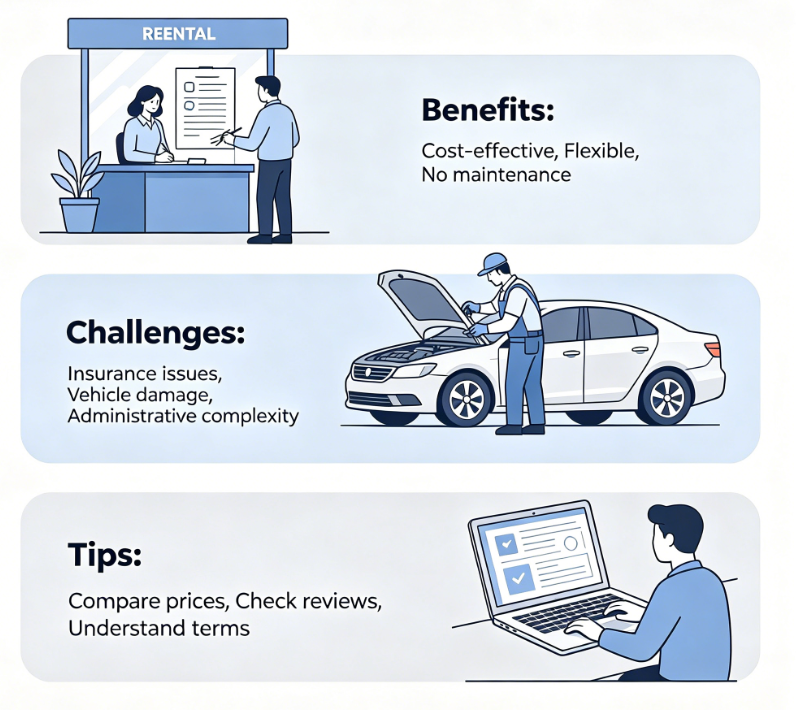
The benefits of leasing include lower monthly payments. Lease payments are typically lower than loan payments because you only pay for the vehicle’s depreciation during the lease, not the full purchase price. You drive a new car. When the lease ends, you get another new car. You always drive a relatively new vehicle with the latest technology and safety features. Warranty coverage. The lease term typically falls within the vehicle’s warranty period. Major repairs are covered. You do not pay large bills for engine failure. You do not have to sell a used car. At lease end, you return the vehicle to the dealer. No selling required. If you are self-employed or use the car for business, lease payments may be tax-deductible.
The challenges of leasing include no equity built. When the lease ends, you have nothing. No car, no value. When you pay off a car loan, you own a valuable asset. Mileage limits. If you drive a lot, leasing may not work for you. Excess mileage fees can be high. Excessive wear and tear charges. Large scratches, dents, and interior damage trigger extra charges. Early termination fees are high. You cannot sell a lease like you can sell a car. Always a monthly payment. After paying off a car loan, you can have years with no payment. Leasing always has a payment. Leased cars typically cannot be heavily modified.
Key considerations when comparing leasing and buying include how many miles you drive per year. If you drive above a certain threshold, leasing is not cost-effective. If you drive less, leasing may work well. How often you change cars. If you like a new car every two to three years, leasing is designed for you. If you plan to drive a car until it dies, buying is better. Your cash flow. Lease payments are lower. If your monthly budget is tight, leasing may be more affordable. Your attitude toward the car. If you do not mind minor cosmetic imperfections, buying works. If you want perfect condition, leasing may charge you at return.
Tips for lease negotiation include negotiating the car price, not the monthly payment. Dealers like to talk about monthly payments. Payments can be made artificially low by extending the term or increasing the down payment. Negotiate the vehicle price instead. Know your mileage needs. Choose the right mileage allowance for you. Watch for hidden fees. Low advertised payments often exclude tax, registration fees, and bank fees. Ask for the total cost. Avoid down payments. If the car is stolen or totaled, you lose the down payment. Choose zero down even if the monthly payment is slightly higher. Understand the residual value. This is the projected value of the vehicle at lease end, and it directly affects your payment.
Who is leasing for? People who like new cars. They enjoy the latest technology and the feel of a new car. Leasing lets them change cars every few years. People with tight monthly budgets. Lower payments allow them to drive a better car. People who control their mileage. If their daily commute is short, the mileage limit is not a problem. Self-employed people. If they can deduct lease payments, the economics improve. People who do not want to sell used cars. At lease end, they simply return the vehicle.
Who is buying for? People who drive many miles per year. Excess mileage fees cancel out the low payment advantage. People who keep cars long term. After the loan is paid off, years of no payments. People who dislike monthly payments. Some people just do not like ongoing debt. Buying eventually ends the debt. People who want to customize. Leasing restricts modifications. Buying lets you do what you want. People who are easy on their cars. If you do not mind driving an older car, buying is more cost-effective.
Leasing is not better or worse than buying. It is a different financial arrangement. Before signing, calculate the total cost, not just the monthly payment. Then ask yourself: is this total cost worth the benefits to me? Your personal situation, driving habits, and financial goals should determine your choice, not a dealer’s sales pitch.