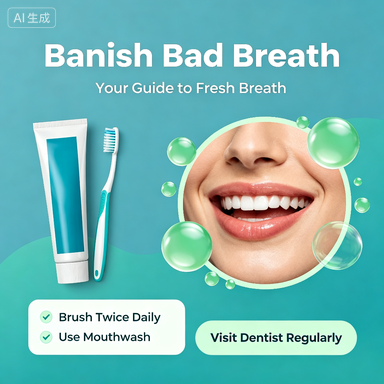
This guide will explore the root causes of bad breath, provide actionable solutions for managing it, and offer advice on maintaining oral hygiene to prevent it from returning.
Understanding the Causes of Bad Breath To effectively combat bad breath, understanding its root causes is essential. The sources can vary from person to person, but some common culprits are:
Poor Oral Hygiene: Failing to brush and floss regularly leads to food particles remaining in the mouth, causing bacteria growth and bad odors. Dietary Choices: Foods like onions, garlic, and certain spices can produce strong odors that linger in the mouth. Tobacco Products: Smoking or chewing tobacco not only causes its own unpleasant odor but also damages gums and affects saliva production. Dry Mouth: Saliva helps cleanse the mouth; conditions causing reduced saliva flow can lead to bad breath. Medical Conditions: Diseases such as diabetes, reflux, and respiratory infections can contribute to halitosis. Mouth Infections: Infections or diseases of the oral cavity, including gum disease, cavities, and oral thrush, are prime sources. Understanding these causes can help in choosing the right treatment and preventive measures. For instance, if dry mouth is a concern, increasing water intake or using saliva substitutes can be beneficial. Moreover, being aware of the foods you consume and their effects on your breath can guide dietary adjustments that promote fresher breath.
Actionable Steps to Get Rid of Bad Breath Fortunately, bad breath can often be managed and even eliminated through targeted actions. Here are some practical ways to address it:
- Adopt a Rigorous Oral Care Routine Regular brushing and flossing are critical. Aim to brush your teeth at least twice a day, and don’t forget to scrape your tongue. This reduces the bacteria contributing to fumes within the mouth. Consider using an antiseptic mouthwash to eliminate any lingering bacteria.
Additionally, using a fluoride toothpaste can strengthen teeth and prevent decay, further reducing the risk of bad breath.
Flossing is often overlooked, yet it plays a crucial role in removing food particles and plaque between teeth that a toothbrush might miss. Using a tongue scraper can also be highly effective in removing bacteria and food debris from the surface of the tongue, which is a common source of bad breath.
- Consider Dietary Changes Limit foods known for causing bad breath. Incorporate more fruits and vegetables that naturally cleanse the mouth, and drink plenty of water to aid in saliva production and wash away food particles. Foods rich in fiber, like apples and carrots, can act as natural toothbrushes, helping to remove food particles and bacteria from the teeth and gums.
In addition to avoiding odor-causing foods, consider adding herbs such as parsley and mint to your diet. These herbs contain natural oils that can help mask bad breath odors and promote a fresh mouth feel. Chewing on fresh herbs can be a quick and natural way to freshen breath after meals.
- Quit Tobacco Use Eliminating tobacco can drastically improve breath freshness and overall oral health. Tobacco replacement therapies or support groups might help in quitting. Not only does quitting tobacco improve breath, but it also reduces the risk of oral cancers and gum disease, leading to a healthier mouth overall.
For those struggling to quit, seeking professional help from a healthcare provider can provide additional resources and support. Nicotine replacement therapies, such as patches or gum, can be effective tools in the journey to quit smoking.
- Address Dry Mouth Keep your mouth hydrated by sipping water throughout the day. Sugar-free gum or mints can stimulate saliva production, which is crucial for cleaning the oral cavity. Using a humidifier at night can also help prevent dry mouth caused by breathing through the mouth while sleeping.
Some medications can contribute to dry mouth, so consult with your doctor if you suspect this might be the case. They may be able to adjust your prescription or recommend a saliva substitute to alleviate symptoms.
- Consult Your Dentist Regularly Routine dental check-ups are vital. They not only help in cleaning difficult areas but also in identifying any underlying issues that may be causing bad breath. Dentists can provide professional cleanings that remove plaque and tartar buildup, which are often sources of bad breath.
During your visit, discuss any concerns about persistent bad breath with your dentist. They may perform a halimeter test to measure the concentration of volatile sulfur compounds in your breath, which are often responsible for bad breath.
When to Seek Professional Help Sometimes, despite following strict oral hygiene, bad breath persists. This is when professional intervention is necessary. If daily oral care doesn’t improve your condition, it can indicate a more serious underlying problem that needs medical attention.
Consider scheduling an appointment if you notice:
Persistent bad breath despite good oral hygiene. Gum disease symptoms, like red or swollen gums. Unusual symptoms such as constant dry mouth or unusual tastes. Signs of other health conditions like acid reflux. Your dentist can conduct a thorough examination and may refer you to a physician if the cause isn’t oral. They might suggest professional cleaning, prescribe antimicrobial treatment, or other solutions tailored to your needs. In some cases, a referral to a specialist, such as a periodontist or an ENT (ear, nose, and throat) doctor, may be necessary to address specific issues contributing to halitosis.
In addition to dental professionals, consulting with a nutritionist can provide insights into dietary factors contributing to bad breath. They can help create a meal plan that minimizes odor-causing foods while ensuring nutritional balance.
Additional Tips for Maintaining Fresh Breath Beyond addressing existing problems, maintaining fresh breath requires ongoing effort and lifestyle changes. Here are some tips:
Stay Hydrated: Drink at least eight glasses of water daily. Adequate hydration is crucial for maintaining saliva production, which naturally cleanses the mouth. Use a Humidifier: Especially useful if you experience dry mouth during sleep. A humidifier can add moisture to the air, preventing the mouth from becoming too dry overnight. Chew Sugar-free Gum: Encourages saliva production and helps cleanse the mouth. Look for gums containing xylitol, a natural sweetener that can reduce bacteria levels in the mouth. Include Probiotics: They help in balancing good and bad bacteria in the mouth. Probiotics can be found in foods like yogurt and kefir, or in supplement form. Regular Cleanings: Dental check-ups every six months are recommended. Professional cleanings can remove plaque and tartar that regular brushing and flossing might miss. Use an Electric Toothbrush: Electric toothbrushes can be more effective at removing plaque and food particles than manual brushes. Try Oil Pulling: An ancient practice that involves swishing oil, such as coconut or sesame, in the mouth to remove toxins and improve oral health. Popular Remedies for Bad Breath Many turn to home remedies for quick fixes, often with some success. Here are a few popular options:
Baking Soda Rinse A simple baking soda solution can neutralize mouth odor. Add one teaspoon of baking soda to warm water, rinse for a minute, and spit. It helps in balancing acid levels and refreshes the mouth. Baking soda is also mildly abrasive, aiding in the removal of surface stains on teeth.
For an enhanced effect, consider adding a few drops of peppermint essential oil to your baking soda rinse. Peppermint has natural antibacterial properties and can leave your breath smelling minty fresh.
Green Tea Known for its antibacterial properties, green tea can be consumed or used as a rinse. Its polyphenols help reduce foul-smelling compounds in the mouth. Drinking green tea regularly can also provide antioxidants that benefit overall health.
For a refreshing twist, try adding a slice of lemon to your green tea. The citrus can enhance the flavor and provide additional Vitamin C, which supports oral health.
Fruit Rinses Fruits like lemons and oranges, rich in Vitamin C, discourage microbial growth. Chewing on a slice or using their juice as a mouth rinse can freshen breath. Vitamin C also boosts the immune system, helping the body fight off infections that can cause bad breath.
For a homemade mouthwash, mix equal parts lemon juice and water. Rinse your mouth with this solution to enjoy a burst of freshness and a natural antibacterial effect.
FAQ: Common Questions About Bad Breath Here are some frequently asked questions about bad breath and their answers:
Can bad breath be a sign of a serious health issue? Yes, persistent bad breath can sometimes indicate underlying health problems such as gum disease, diabetes, or liver issues. If you have concerns, consult with a healthcare professional.
How can I tell if I have bad breath? One way to check is to lick the back of your hand, let it dry for a few seconds, and then smell it. If it smells unpleasant, you may have bad breath. Alternatively, ask a trusted friend or family member for their honest opinion.
Are there any foods that help combat bad breath? Yes, foods like parsley, mint, and raw crunchy vegetables can help freshen breath. These foods can increase saliva production and mechanically clean the teeth and gums.
What role does the tongue play in bad breath? The tongue can harbor bacteria and food particles, which are major contributors to bad breath. Regularly cleaning your tongue with a scraper or brush can significantly reduce these bacteria and improve breath freshness.
Can stress affect my breath? Yes, stress can lead to dry mouth, which can exacerbate bad breath. Managing stress through relaxation techniques, such as meditation or exercise, can help maintain a healthy flow of saliva and reduce bad breath.
Final Takeaway Bad breath can be a sensitive issue, but with the right knowledge and actions, it can be effectively managed and prevented. Keeping up with good oral hygiene practices, making informed lifestyle choices, and knowing when to seek professional assistance are key components of maintaining fresh breath and boosting confidence. Everyone deserves a smile they’re proud to share, and fresh breath is an integral part of that journey. By understanding the causes and implementing the solutions discussed, you can enjoy a healthier, fresher smile every day.