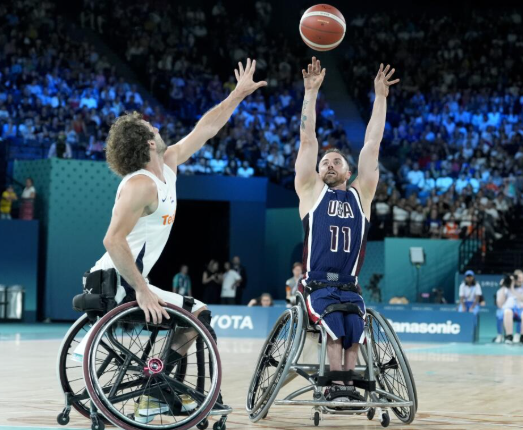
The most visible hallmark of adaptive sports is technology. Racing wheelchairs, prosthetics, and specialized handcycles have evolved dramatically. The 2024 Paralympics saw the introduction of 3D-printed prosthetics for athletics, allowing tailored fit and flexibility. The carbon-fibre “blade” runners, pioneered by Oscar Pistorius, are now ubiquitous in track events, but they have sparked controversy over whether they provide an unfair advantage. A 2023 study in the Journal of Biomechanics found that blade prosthetics store and release energy more efficiently than human legs, giving amputee sprinters a mechanical advantage of approximately 8%. The International Paralympic Committee (IPC) has responded with regulations limiting blade height and stiffness, but the balance between technological advancement and fair competition remains delicate.
The classification system is the Paralympics’ most complex governance structure. Athletes are classified according to their impairment, ensuring that competition occurs within “classes” of athletes with similar functional abilities. However, the system is not perfect; athletes may be “misclassified” due to subjective assessments or intentional exaggeration of disability to be placed in a more favourable class. The 2024 Paris Games introduced “classification audits,” using biometric data and video analysis to validate functional ability, reducing the incidence of “classification cheating.” The inclusion of athletes with intellectual disabilities (ID) has also been contentious; the classification for ID athletes relies on IQ testing and adaptive behaviour assessments, which are subjective and culturally biased. The IPC has implemented revised criteria for the 2028 Los Angeles Games, requiring independent diagnostic confirmation.
The growth of adaptive sports has been driven by media coverage and sponsorship. The Tokyo 2020 Paralympics achieved a global audience of 4.1 billion, an increase of 25% from Rio 2016. The 2024 Paris Games set records with 2.5 million tickets sold and broadcast coverage on 180 networks, including primetime slots on NBC. Sponsors have taken notice; major brands like Toyota, Visa, and Airbnb have signed multi-year deals with the IPC. The increased visibility has also improved the financial prospects of athletes; prize money for gold medallists in Paris was $100,000, comparable to the Olympics. The development of a Paralympic media rights portfolio, separate from the Olympics, is being considered for the 2028 cycle, which would provide dedicated revenue streams for the IPC.
The impact of the Paralympics extends beyond sport. The “Para-education” programmes, which bring school children to the Games, have been shown to reduce prejudice towards disabilities. A 2024 study in the Journal of Disability Studies found that attending a Paralympic event increased positive attitudes towards disability by 32%, and that effect persisted for at least 12 months. The Games have also influenced urban design; Paris 2024 incorporated 100% accessible public transport and venues, setting a standard for future events. The IPC’s “Agenda 2020+,” which emphasizes inclusion in every aspect of the Games, has led to a 40% increase in female athletes (from 38% in 2016 to 53% in 2024) and the addition of women’s events in sports like canoeing and rowing.
The challenges facing adaptive sports are multifaceted. The “able-bodied vs. disabled” debate continues in the media, with some commentators framing the Paralympics as “inspiring” but less athletic than the Olympics. The IPC has actively pushed against this narrative, emphasising the elite performance of its athletes. The 2024 IPC campaign “We Are Not Superhumans” reframed the narrative, focusing on dedication and training rather than overcoming adversity, a shift aimed at normalising disability sport. The financial disparity between the Paralympics and the Olympics remains significant; the IPC’s annual budget is $40 million, compared to the IOC’s $1.7 billion, limiting investment in grassroots programmes and technology development.
The future of adaptive sports lies in integration. Some advocates call for the Olympics to include disability events, though the IPC and IOC have resisted, arguing that the Paralympics should retain its separate identity. The 2028 Los Angeles Games may feature “demonstration events” that include both Olympic and Paralympic athletes, but the format is still under discussion. The development of “cross-disability” sports—where athletes with different impairments compete in the same event using adjusted equipment—is being piloted in sports like triathlon. The Paralympic movement has come a long way from its origins, but it remains a work in progress. As one athlete put it: “The Paralympics is not just about sport. It is about showing the world that disability is not a limitation; it is a variation. And variation is beautiful.”