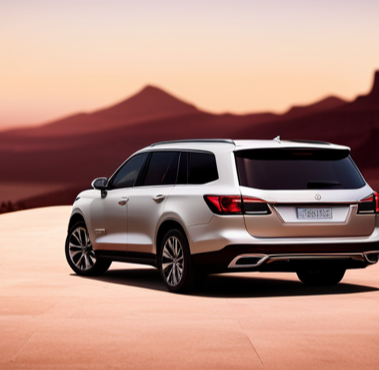
Identifying the Best Used SUVs for Family Needs When searching for a used SUV, the primary consideration should be how well the vehicle accommodates daily family life. This means looking beyond aesthetics and focusing on practicality, safety, and reliability. A key starting point is determining the necessary size. For growing families, a three-row SUV like the Honda Pilot or Toyota Highlander offers ample passenger and cargo space, while a two-row model like the Honda CR-V or Toyota RAV4 may suffice for smaller families. Safety features are paramount. Look for models equipped with essential driver-assistance technologies such as automatic emergency braking and blind-spot monitoring, which have become increasingly common in recent years. Reliability is another critical factor. Models from brands like Toyota, Honda, and Subaru consistently rank highly for long-term dependability, making them smart choices for a used purchase where out-of-warranty repairs can be costly. Online resources like J.D. Power and Consumer Reports provide valuable reliability ratings for specific model years. Finally, fuel economy should not be overlooked, especially for a vehicle that will see heavy use. A more efficient SUV reduces long-term running costs, making the family budget go further.
Assessing the Condition of a Used Family SUV Before committing to a purchase, a thorough inspection is essential to avoid inheriting costly problems. The exterior should be scrutinized for signs of accident damage, such as mismatched paint, gaps in body panels, or rust, which can indicate structural issues. The condition of the tires is also telling; uneven wear can point to alignment problems, while a tread depth of less than 3mm suggests replacement is imminent. Inside the cabin, the focus should be on wear and functionality. Check for damage to upholstery and ensure all electronics—including air conditioning, infotainment, and power windows—operate correctly. A test drive is non-negotiable. Pay attention to how the vehicle handles, accelerates, and brakes. Unusual noises, vibrations, or a pulling sensation while driving can indicate mechanical issues that may be expensive to fix. Under the bonnet, inspect for fluid leaks, corrosion on battery terminals, and check the oil condition with the dipstick. A comprehensive inspection provides crucial leverage in price negotiations.
Navigating the Purchase and Negotiation Process Once a suitable used SUV is found, the negotiation phase begins. Knowledge is the most powerful tool in this process. Research the fair market value of the specific make, model, and year using online valuation tools from sources like Kelley Blue Book or CarGurus to establish a realistic price target. Obtaining a vehicle history report using the VIN is a non-negotiable step; this report will reveal if the car has a salvage title, outstanding finance, or a mileage discrepancy, which can significantly affect its value. For private sales, obtaining a pre-purchase mechanical inspection from an independent mechanic is highly recommended, as it can uncover defects that justify a lower offer. When discussing price with a dealer, be polite but firm, and be prepared to make a lower initial offer. Dealers are often more flexible on price if they believe financing will be involved, so it is often strategic to hold off on disclosing a cash payment plan until a price is agreed upon. Finally, never be afraid to walk away from a deal if the terms are unsatisfactory; this is often the strongest negotiating tactic.