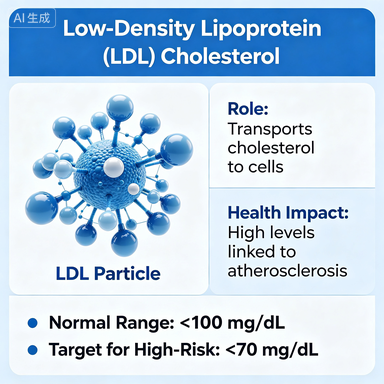
Understanding LDL Cholesterol LDL cholesterol, often referred to as “bad” cholesterol, is a type of lipoprotein that carries cholesterol through the bloodstream. While cholesterol is essential for various bodily functions, excessive LDL cholesterol can lead to plaque buildup in the arteries, increasing the risk of cardiovascular diseases.
Normal LDL Cholesterol Levels For most adults, an optimal LDL cholesterol level is below 100 milligrams per deciliter (mg/dL). However, individuals with a history of heart disease or multiple risk factors may have a target LDL level below 70 mg/dL.
Factors Influencing LDL Cholesterol Levels Several factors can affect LDL cholesterol levels, including diet, physical activity, weight, tobacco use, and certain medical conditions. For instance, consuming foods high in saturated and trans fats can raise LDL levels, while regular physical activity can help lower them.
Managing LDL Cholesterol Levels To maintain healthy LDL cholesterol levels, it’s recommended to adopt a heart-healthy diet, engage in regular physical activity, avoid tobacco use, and manage stress. In some cases, healthcare providers may prescribe medications to help lower LDL cholesterol levels.
Key Takeaways LDL cholesterol is a key factor in cardiovascular health. Optimal LDL levels are below 100 mg/dL for most adults. Diet, exercise, and lifestyle choices significantly impact LDL levels. Regular monitoring and management of LDL cholesterol are essential for heart health. Note: This article is for informational purposes only and should not be considered medical advice. Consult a healthcare professional for personalized recommendations.