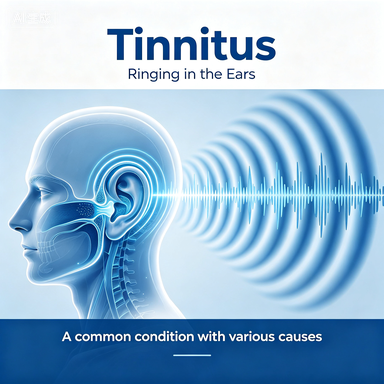
Exploring the Causes of Tinnitus Tinnitus, commonly referred to as ringing in the ears, is a symptom rather than a disease. It can result from a variety of underlying causes. Exposure to loud noises is one of the primary culprits, as it can damage the hair cells in the inner ear. Age-related hearing loss is another common cause, as the auditory system naturally deteriorates over time. Additionally, ear infections, wax buildup, and certain medications can also lead to tinnitus. Understanding these causes is the first step to managing and potentially reducing the symptoms you experience.
Beyond noise exposure and age-related hearing loss, tinnitus can also be linked to more complex health issues. Conditions such as Meniere’s disease, which affects the inner ear, and temporomandibular joint (TMJ) disorders, which impact the jaw, can both contribute to the perception of ringing. High blood pressure and cardiovascular diseases may also play a role, as they affect blood flow to the ears. By identifying these potential causes, you can work with healthcare professionals to tailor a management plan that addresses your specific situation, potentially improving your quality of life.
Identifying Common Triggers of Tinnitus Tinnitus triggers can vary widely among individuals, making it essential to recognize what specifically affects you. Stress and anxiety are significant contributors, as they can exacerbate the perception of ringing. Caffeine and nicotine are also known to heighten tinnitus symptoms, as they increase blood flow and stimulate the nervous system. Additionally, certain foods and beverages, particularly those high in salt or sugar, can trigger episodes. By keeping a detailed diary of your symptoms and potential triggers, you can identify patterns and make lifestyle adjustments to minimize the impact of tinnitus on your daily life.
Environmental factors can also serve as triggers for tinnitus. Exposure to loud environments, such as concerts or construction sites, can temporarily worsen symptoms. Even seemingly benign activities like listening to music through headphones at high volumes can have a lasting impact. It’s important to be mindful of your surroundings and take protective measures, such as using earplugs, to prevent further damage. Understanding your personal triggers allows you to take proactive steps in managing your tinnitus, ultimately leading to a more comfortable and controlled experience.
Understanding Why Ears Ring at Night Many individuals notice that their tinnitus symptoms are more pronounced at night. This can be attributed to the quiet environment, which makes the ringing more noticeable. During the day, ambient sounds often mask tinnitus, but at night, the lack of external noise brings it to the forefront. Stress and fatigue accumulated throughout the day can also intensify the perception of ringing. Establishing a calming bedtime routine, such as practicing relaxation techniques or using white noise machines, can help you manage nighttime symptoms more effectively, promoting better sleep and overall well-being.
In addition to environmental silence, physiological changes at night can contribute to increased tinnitus awareness. As you lie down, blood flow dynamics change, potentially affecting the inner ear. Hormonal fluctuations that occur during sleep cycles may also play a role. By understanding these nighttime dynamics, you can implement strategies to reduce the impact of tinnitus on your sleep quality. Experimenting with different sleep positions, using sound therapy, or adjusting your diet and hydration levels in the evening can all be beneficial in managing nighttime tinnitus effectively.
How Tinnitus Symptoms Vary Throughout the Day Tinnitus symptoms can fluctuate in intensity and frequency throughout the day, influenced by various factors. Morning stiffness or congestion can lead to increased pressure in the ears, exacerbating symptoms. As the day progresses, stress and fatigue levels may rise, contributing to heightened awareness of ringing. Conversely, engaging in activities that distract your mind, such as exercise or social interactions, can reduce symptom perception. Understanding these daily patterns allows you to plan your activities strategically, ensuring that you maintain control over your tinnitus and minimize its impact on your daily routine.
The variability of tinnitus symptoms throughout the day can also be linked to your overall health and lifestyle choices. Hydration levels, diet, and even posture can influence how you experience tinnitus. Consuming balanced meals, staying hydrated, and maintaining good posture can help stabilize symptoms. Additionally, incorporating mindfulness practices, such as meditation or yoga, can provide relief by reducing stress levels and promoting relaxation. By observing how your symptoms change throughout the day, you can develop personalized strategies to manage tinnitus, leading to a more balanced and fulfilling life.
Effective Strategies for Managing Tinnitus While there is no cure for tinnitus, several management strategies can help alleviate its impact. Cognitive-behavioral therapy (CBT) is a proven method that helps you change your perception of tinnitus, reducing its psychological burden. Sound therapy, which involves listening to soothing sounds or music, can mask the ringing and provide relief. Additionally, lifestyle modifications, such as reducing caffeine and alcohol intake and incorporating regular exercise, can improve overall health and reduce symptom severity. By exploring these strategies, you can find the most effective approach to managing your tinnitus and enhancing your quality of life.
In addition to therapy and lifestyle changes, technological advancements offer new avenues for tinnitus management. Hearing aids, for instance, can amplify external sounds, making tinnitus less noticeable. Tinnitus retraining therapy (TRT) combines sound therapy and counseling to help you habituate to the ringing. Emerging treatments, such as neuromodulation, are also being explored for their potential benefits. By staying informed about the latest developments and working closely with healthcare providers, you can tailor a comprehensive management plan that addresses your unique needs, ultimately leading to more effective tinnitus control.