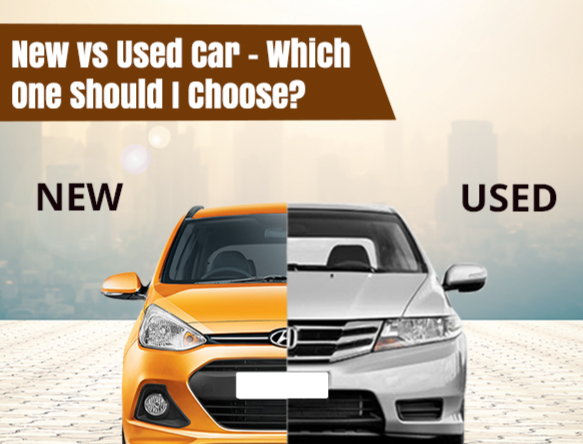
The Financial Case for Buying Used The most compelling argument for buying a used car is the significant depreciation that new cars experience in their first few years. A new vehicle can lose 20% or more of its value the moment it is driven off the lot, and up to 60% of its value within the first five years. A used car buyer avoids this steep depreciation curve, as the car’s value has already stabilized. This translates to getting a higher-quality vehicle, such as a luxury sedan or a fully-loaded SUV, for the same budget that would only cover a base model new car. Additionally, insurance premiums for used cars are generally lower because their replacement cost is less, leading to savings on annual premiums. However, buyers must be aware of potential drawbacks, such as higher maintenance costs for an older vehicle and fewer warranty protections. This is mitigated by choosing a reliable model and having it inspected before purchase.
The Advantages and Costs of Buying New Buying a new car offers the appeal of modern technology, the latest safety features, and the reassurance of a full manufacturer’s warranty. New cars come with no wear and tear, providing peace of mind for the owner. The latest models often offer superior fuel economy and reduced emissions, which can be important for eco-conscious drivers. The primary drawback is the upfront financial cost and the steep depreciation curve mentioned earlier. For those who prefer financing, dealerships often offer attractive low-interest or zero-percent financing on new models, which can make the monthly payments more manageable. However, this financial advantage should be weighed against the higher purchase price. New car buyers are also the first to experience potential model-specific issues, as opposed to used car buyers who can rely on reliability data from the first few years of production.
Making the Right Choice for Your Situation The choice ultimately depends on the buyer’s priorities and financial situation. If the goal is to maximize value and get the most car for the money, a used car that is 2-3 years old often represents the “sweet spot.” These vehicles have already undergone significant depreciation but still have most of their useful life ahead of them. For buyers who prioritize the latest technology, a full warranty, and don’t mind the depreciation, a new car may be the right choice. For those on a tight budget, an older, well-maintained used car is often the only feasible option. Regardless of the choice, thorough research is key. For used cars, this means getting a vehicle history report and a mechanical inspection. For new cars, it involves researching dealer incentives and financing offers. Both decisions require careful planning to avoid buyer’s remorse.