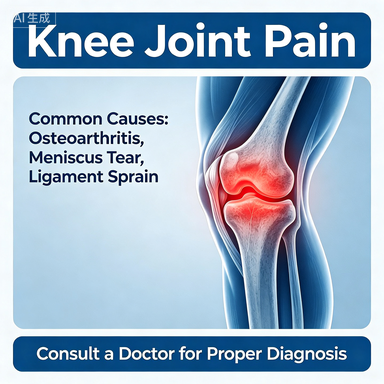
Understanding Bone-on-Bone Knee Pain Bone-on-bone knee pain is typically the result of advanced osteoarthritis. In a healthy knee, a smooth layer of cartilage cushions the ends of your thigh bone and shin bone. Over time, due to age, wear and tear, or past injuries, this cartilage can completely wear away. When the cartilage is gone, the bones rub directly against each other during movement. This friction causes severe pain, stiffness, swelling, and a reduced range of motion.
While no exercise can regrow lost cartilage, staying completely still is actually one of the worst things you can do. Inactivity leads to muscle weakness, which puts even more stress directly on the unprotected joint.
Why Exercise is Crucial for Relief When you have bone-on-bone arthritis, the goal of exercise shifts. You are not trying to fix the joint itself. Instead, you are building a strong support system around the joint.
By strengthening the muscles that surround your knee, specifically your quadriceps at the front of your thigh and your hamstrings at the back, those muscles act like shock absorbers. Strong muscles take the physical load and pressure off the knee joint. Furthermore, gentle movement helps circulate synovial fluid, which is your body’s natural joint lubricant, helping to reduce morning stiffness.
5 Safe Exercises to Strengthen Your Knees Before starting any new physical routine, you must consult with your primary care physician or a licensed physical therapist to ensure these movements are safe for your specific condition. If you feel sharp, stabbing pain during any movement, stop immediately.
- Straight Leg Raises This exercise strengthens your quadriceps without requiring you to bend your painful knee.
Lie flat on your back on a supportive surface like a yoga mat. Bend your healthy knee so your foot is flat on the floor. Keep your painful leg completely straight. Tighten the muscle on the top of your straight leg and slowly lift it until it is parallel with your bent knee. Hold this position for three seconds, then slowly lower it back to the floor. Aim for two sets of ten repetitions.
- Seated Knee Extensions This is a very gentle way to build thigh strength while seated safely.
Sit up straight in a firm chair, like a dining room chair, with both feet flat on the floor. Slowly straighten your painful leg out in front of you until it is parallel with the floor. Squeeze your thigh muscle at the top of the movement and hold for two seconds. Slowly lower your foot back to the floor. Perform three sets of ten repetitions on each leg.
- Hamstring Stretches Tight hamstrings pull on your knee joint, increasing pain. Keeping them flexible is vital.
Lie on your back and loop a long towel or a resistance band around the foot of your painful leg. Keep your other leg flat on the floor. Using the towel, gently pull your painful leg straight up toward the ceiling until you feel a stretch in the back of your thigh. Keep a slight, soft bend in the knee to avoid locking it. Hold the stretch for thirty seconds and release. Repeat three times.
- Heel Raises Strengthening your calves provides better stability for your lower leg, which supports the knee.
Stand behind a sturdy chair or hold onto a kitchen counter for balance. Stand up tall and slowly lift your heels off the floor, rising up onto your toes. Hold at the top for two seconds, then slowly lower your heels back down. Do two sets of fifteen repetitions.
- Water Aerobics If land-based exercises are too painful, moving to a swimming pool is an excellent alternative. The buoyancy of the water supports your body weight, removing almost all the pressure from your knees while the water provides gentle, constant resistance to build muscle. Walking in waist-deep water for twenty minutes is a highly effective, low-impact workout.
Movements You Should Avoid When dealing with advanced knee osteoarthritis, certain high-impact activities will only accelerate joint damage and increase inflammation. You should generally avoid deep squats, lunges that put pressure on the kneecap, running on hard surfaces like concrete, and any sports that require sudden jumping or pivoting, such as basketball or tennis.
Frequently Asked Questions Can walking help bone-on-bone knee pain? Yes, walking is a great low-impact cardiovascular exercise. However, you should stick to flat, even surfaces like a high school track or a paved walking path. Always wear highly cushioned, supportive athletic shoes, like those from brands such as Hoka or Brooks, to help absorb the impact.
Will exercise eventually cure my knee pain? No. Exercise cannot replace missing cartilage or reverse osteoarthritis. The purpose of these exercises is to manage your symptoms, improve your daily mobility, and potentially delay the need for invasive procedures like a total knee replacement.
Should I use ice or heat after exercising? If your knee feels swollen or warm to the touch after your exercises, apply an ice pack wrapped in a towel for fifteen minutes to reduce inflammation. If your knee feels stiff before you start exercising, applying a warm compress for ten minutes can help loosen the joint and prepare it for movement.