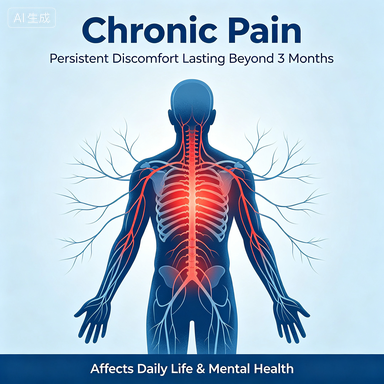
When managing chronic pain, patients often compare various treatment options to find the most effective and suitable for their individual needs. This article explores the most common pain management treatments, their benefits, and considerations to help patients make informed decisions. Over-the-Counter (OTC) Medications Over-the-counter medications are often the first line of defense against mild to moderate chronic pain. Common OTC pain relievers include acetaminophen and nonsteroidal anti-inflammatory medications (NSAIDs) such as ibuprofen and naproxen. Benefits: Accessibility: Available without a prescription, making them easy to obtain. Cost-Effective: Generally less expensive than prescription medications. Considerations: Side Effects: Long-term use can lead to gastrointestinal issues, kidney problems, and increased blood pressure. Appropriate Use: It’s crucial to follow dosage instructions to avoid potential risks. Prescription Medications For more severe chronic pain, healthcare providers may prescribe stronger medications. These can include opioids, antidepressants, anticonvulsants, and muscle relaxants. Benefits: Efficacy: Often more effective for managing severe pain. Variety: Multiple classes of medications available to target different pain mechanisms. Considerations: Side Effects: Potential for addiction, drowsiness, and other adverse effects. Monitoring: Regular follow-up with healthcare providers is essential to manage risks. Physical Therapy and Exercise Engaging in physical therapy and regular exercise can strengthen muscles, improve flexibility, and reduce pain. A study published in 2024 found that physical therapy was associated with an 11% decreased risk of opioid use disorder among chronic pain patients. Benefits: Non-Pharmacological: Offers a non-medication approach to pain management. Holistic Health: Improves overall physical health and well-being. Considerations: Consistency: Requires regular commitment to exercise routines. Guidance: Professional supervision may be necessary to prevent injury. Alternative Therapies Alternative therapies such as acupuncture, massage, and yoga have been explored for chronic pain management. While some patients report benefits, scientific evidence varies. Benefits: Complementary: Can be used alongside other treatments. Personalized: Tailored to individual preferences and needs. Considerations: Evidence: More research is needed to confirm effectiveness. Availability: Access to qualified practitioners may be limited. Interventional Procedures In certain cases, interventional procedures like spinal cord stimulation or nerve blocks may be considered. A study published in 2023 demonstrated that spinal cord stimulation could lead to significant improvements in pain and quality of life for chronic pain patients. Benefits: Targeted Relief: Directly addresses pain sources. Potential for Reduced Medication Use: May decrease reliance on oral pain medications. Considerations: Invasiveness: Procedures may carry risks and require recovery time. Cost: Often expensive and may not be covered by insurance. Psychological and Behavioral Therapies Addressing the psychological aspects of chronic pain through therapies like cognitive-behavioral therapy (CBT) can be beneficial. Research indicates that CBT can help patients develop coping strategies and reduce pain perception. Benefits: Mental Health Improvement: Helps manage stress and anxiety associated with chronic pain. Skill Development: Teaches coping mechanisms and pain management techniques. Considerations: Availability: Access to qualified therapists may be limited. Commitment: Requires active participation and time investment. Key Takeaways A comprehensive, individualized approach to chronic pain management is often most effective. Combining pharmacological treatments with physical therapy and psychological support can enhance outcomes. Alternative therapies may offer additional relief but should be considered complementary to conventional treatments. Interventional procedures and psychological therapies can provide significant benefits for certain patients. Regular consultation with healthcare providers is essential to tailor treatments to individual needs and monitor progress. Disclaimer: This article is for informational purposes only and should not be considered medical advice. Always consult with a healthcare professional for medical concerns.