Looking for information on the signs of lung cancer is a smart move. It means you’re paying close attention to your body, and that’s a great first step toward staying healthy. Thinking about this topic can feel a little scary, but knowing what to look for can also bring peace of mind. You can learn to spot the difference between a normal cough and something worth checking out.
Lung cancer is common in the United States, but catching it early makes a huge difference. Sometimes, the first signs are quiet and easy to miss. That’s why we’re here to walk through what your body might be telling you, in simple language without any confusing medical talk.
Quick checklist: What you’ll learn here A clear list of the main and less common signs of lung cancer. How to tell if a cough is just a stubborn cold or something more. Simple advice on when to call a doctor or ask about screening. A peek at what tests doctors might use to check your lungs. Hopeful tips to protect your lungs, no matter your history. What is lung cancer and why early signs matter
So, what is lung cancer? In simple terms, it happens when cells in the lungs start to grow in a way they shouldn’t. These abnormal cells can form a tumor and may spread if not treated. Our lungs don’t have many nerve endings, which is why early lung cancer often doesn’t cause pain or strong symptoms. This makes it tricky to spot.
Finding lung cancer early opens up more treatment options that can be simpler and more effective. While it’s one of the most common cancers in the United States, it is also highly preventable. Paying attention to small, lasting changes in your body is one of the most powerful things you can do.
It’s important to remember that anyone can get lung cancer. This includes people who smoke, used to smoke, and have never smoked. That’s why everyone should know the signs.
Types of lung cancer and how they affect symptoms There are two main types, and they grow a bit differently. Non-small cell lung cancer (NSCLC) is the most common and usually grows at a slower pace. Small cell lung cancer (SCLC) is less common and tends to grow and spread faster, which can sometimes cause whole-body symptoms like fatigue and weight loss sooner.
Feature Non-Small Cell Lung Cancer (NSCLC) Small Cell Lung Cancer (SCLC) How Common About 80-85% of all lung cancers About 10-15% of all lung cancers Growth Speed Usually grows and spreads more slowly Grows and spreads very quickly Main Symptom Pattern Often starts with a cough or chest pain Can cause early whole-body signs like fatigue Who is at risk for lung cancer?
Understanding your risk for lung cancer helps you know how closely you should watch for symptoms. The biggest risk factor is smoking. The longer and more heavily you smoke, the higher the risk. But here’s the good news: quitting at any age can dramatically lower your risk over time. It’s never too late to make a change.
Of course, it’s not just about smoking. Many people who get lung cancer have never smoked. Other important risk factors can play a role.
Radon: This is a natural gas that can get trapped in homes. It’s colorless and odorless, but it’s the second leading cause of lung cancer. Secondhand Smoke: Breathing in smoke from others also increases your risk. Workplace Exposure: Being around asbestos, diesel exhaust, or other chemicals can damage your lungs. Family History: If a close relative had lung cancer, your risk may be higher. Previous Radiation: Radiation therapy to the chest for other cancers can increase risk. Age is also a factor, as most people diagnosed are over 65. However, lung cancer can happen at any age, so it’s wise for everyone to be aware of the signs.
Women, men, and changing lung cancer trends Anyone can get lung cancer, but there are some interesting trends. For a long time, more men were diagnosed than women, mostly because of higher smoking rates. Now, that gap is closing.
Here are a few things to know:
Overall, lung cancer rates are going down in the United States, which is great news! Rates are not falling as fast for younger women, meaning more young women are being diagnosed today compared to the past. The symptoms are generally the same for everyone, so both men and women should take any persistent cough or breathing issue seriously. Main lung cancer signs you should never ignore
Your body has ways of telling you when something isn’t right. When it comes to your lungs, there are a few key signs that should always get your attention. If you notice any of these, it’s a good idea to chat with a healthcare provider.
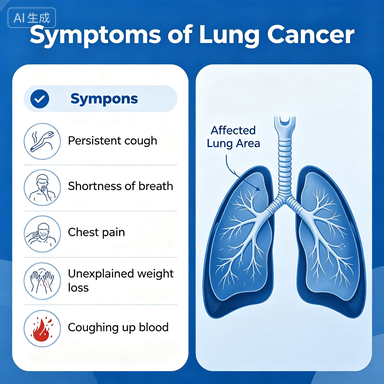
A cough that won’t go away: This is the most common sign. If you have a new cough that lasts for more than three weeks, or if a chronic “smoker’s cough” changes, get it checked. Coughing up blood: Even a small amount of blood or rust-colored spit is a reason to call a doctor right away. Chest pain: Pain in the chest, shoulder, or back that gets worse when you breathe deeply, laugh, or cough could be a signal. Shortness of breath: Feeling out of breath during activities you used to handle easily is a change to watch. Wheezing: If you hear a whistling sound when you breathe, and it’s not from a known condition like asthma, it’s worth mentioning. Frequent chest infections: Getting bronchitis or pneumonia over and over again can be a sign that something is irritating your lungs. Other important signs include feeling tired all the time, losing your appetite, or losing weight without trying. These can happen with many conditions, but when they appear with lung symptoms, they are especially important.
How to tell a stubborn cold from something more serious Many of these signs sound a lot like a bad cold or the flu, so how can you tell the difference? The key is time.
A cold or flu usually gets better within a week or two. Symptoms that stick around for three weeks or more are a red flag. A cough from an illness often improves, but a cough related to lung cancer might stay the same or get worse. Serious signs like coughing up blood or sharp chest pain are not typical for a common cold. Trust your gut. If something feels off and isn’t going away, it’s always best to ask a professional. Less common and “hidden” lung cancer symptoms
Besides the main signs in your chest, lung cancer can cause other changes in your body. These symptoms are less common, but they can provide important clues, especially if they show up with other respiratory issues.
Finger clubbing: The tips of your fingers may widen and curve downwards. This can happen slowly over years. Hoarseness: A raspy voice that doesn’t go away could mean a tumor is pressing on a nerve. Trouble swallowing: Feeling like food is sticking in your throat can be another sign of pressure from a tumor. Swelling in the face or neck: If a tumor presses on a major blood vessel, it can cause fluid to back up, leading to puffiness. Bone pain: A dull ache in your bones (like in the back or hips) could mean the cancer has spread. Other symptoms can appear if the cancer spreads to other parts of the body, such as headaches, dizziness, weakness in an arm or leg, or yellowing of the skin and eyes (jaundice). While these signs can have many other causes, they are worth discussing with a doctor.
Table: Main vs less common lung cancer signs at a glance Here is a quick way to see the differences. Remember, any symptom that worries you is worth a conversation with your doctor.
Main Signs (Often in the Lungs) Less Common / Advanced Signs (Can be Body-Wide) A cough that lasts 3+ weeks Finger clubbing (widened fingertips) Coughing up blood or rust-colored phlegm Swelling in the face or neck Chest, back, or shoulder pain Hoarseness or trouble swallowing Shortness of breath or wheezing Bone pain, headaches, or dizziness Repeat chest infections Unexplained lumps, like above the collarbone Early vs advanced lung cancer: How symptoms change over time
One of the biggest challenges with lung cancer is that it can be very quiet in its early stages. When a tumor is small and contained within the lungs, it might not cause any symptoms at all. You might just feel a little more tired or have a slight cough you blame on allergies.
As a tumor grows, symptoms often become more noticeable. It might block an airway, leading to more shortness of breath or persistent chest infections. If it presses on nerves, it can cause pain. This is why a symptom that starts small but gets worse over time is such an important clue.
Advanced lung cancer is when the cancer has spread beyond the lungs to other parts of the body, like the bones, liver, or brain. This is when you might see those body-wide symptoms we talked about, such as bone pain, headaches, or jaundice. The goal of screening and paying attention to early signs is to find the cancer long before it reaches this stage.
Why some people delay seeing a doctor “I just thought it was my smoker’s cough getting worse. I didn’t want to be a bother, and honestly, I was scared of what they might find.” This feeling is incredibly common. It’s easy to delay a doctor’s visit, and many people do for perfectly understandable reasons:
They think symptoms are just part of getting older or a result of smoking. They worry about the cost of medical care or taking time off work. They are afraid of hearing bad news. But acting sooner is always better. A doctor’s visit is just for gathering information. Finding a problem early gives you the most options and the best chance for a good outcome. And sometimes, the cause is something simple and easily treatable. You won’t know until you ask.
When to see a doctor and what happens next
Knowing when to make the call can feel like the hardest part. Here are a few simple rules to follow. It’s time to see a doctor if:
You have a cough that has lasted for more than three weeks. You cough up any amount of blood. You have chest or shoulder pain that doesn’t go away. You notice unexplained weight loss or constant fatigue along with breathing changes. If you have severe trouble breathing, sudden chest pain, or feel confused, seek medical help right away. These could be signs of an emergency.
At your appointment, the doctor will want to hear your story. They will ask about your symptoms, your health history, your family history, and lifestyle factors like smoking or work exposures. They will listen to your lungs with a stethoscope and may check your oxygen levels. This first visit is all about figuring out the next steps.
Based on what they find, they might suggest some initial tests, like a chest X-ray or some blood work. A chest X-ray is a quick and painless picture of your lungs that can show any obvious spots or problems. It’s a good starting point for getting answers.
Questions to ask your doctor about lung cancer signs Feeling prepared can make your visit less stressful. It’s a good idea to write down a few questions beforehand. You can even bring a friend or family member for support.
What do you think could be causing my symptoms? Are there any tests you recommend, like an X-ray or CT scan? Based on my age and history, should I think about lung cancer screening? What warning signs should I watch for that mean I need to call you back? What are the next steps after this visit? Lung cancer screening and diagnosis tests
There are two main ways doctors look for lung cancer: screening and diagnostic testing. It’s helpful to know the difference. Screening is for people who are at high risk but have no symptoms. The goal is to find cancer at its earliest, most treatable stage.
The main screening test is a low-dose computed tomography (CT) scan. This is a special kind of X-ray that takes many pictures of your lungs to create a detailed image. Screening is generally recommended for older adults (usually 50-80) who have a long history of smoking.
Diagnostic testing is for people who do have symptoms. If your doctor is concerned about your cough or other signs, they will order tests to find the cause. These tests might include:
Chest X-ray: Often the first imaging test used. CT Scan: Gives a more detailed picture of the lungs than an X-ray. Biopsy: If a scan shows a suspicious spot, a doctor will take a tiny sample of tissue to check it for cancer cells. This is the only way to be sure. A doctor can help you decide if screening is right for you or which diagnostic tests are needed to get to the bottom of your symptoms.
Table: Screening vs testing for symptoms This simple table breaks down the key differences.
Lung Cancer Screening Diagnostic Testing Who is it for? People at high risk with NO symptoms People who HAVE symptoms What is the goal? To find cancer as early as possible To find the cause of the symptoms Common Tools Low-Dose CT (LDCT) scan Chest X-ray, CT scan, biopsy, blood tests Disclaimer: The information provided in this article is for general informational purposes only and reflects the situation as of [Mar 3, 2026]. It is not intended as medical advice, diagnosis, or treatment. Always seek the advice of your physician or another qualified health provider regarding any medical condition or before making health-related decisions. No rights may be derived from this information, and we disclaim all liability for any actions taken based on it.