Vitamin B12: The Energy Booster Vitamin B12 plays a crucial role in maintaining nerve health and energy levels. A deficiency in this vitamin can lead to symptoms such as numbness or tingling in the feet and hands, which can affect balance and coordination. These symptoms can make walking difficult and sometimes painful.
Apart from affecting your nervous system, a lack of Vitamin B12 can lead to anemia, causing fatigue and weakness. This can further hinder your ability to walk efficiently. Including B12-rich foods like meat, eggs, and dairy or taking supplements can help in maintaining proper nerve function and energy levels.
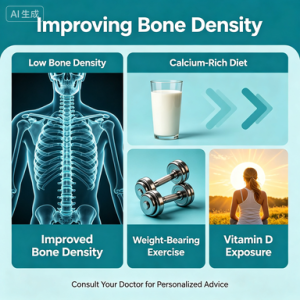
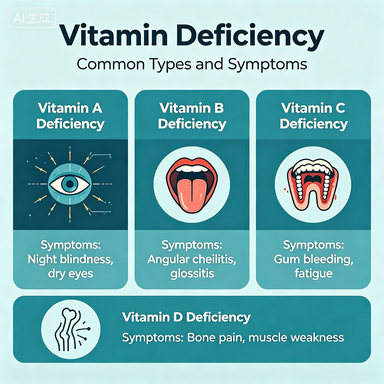
Vitamin D: The Bone Strengthener Vitamin D is essential for bone health and muscle function. A deficiency can cause muscle weakness and bone pain, making it challenging to walk comfortably. This vitamin helps in calcium absorption, which is critical for maintaining strong bones and preventing fractures.
Without adequate Vitamin D, your muscles may not function properly, leading to difficulties in movement and stability. Spending time in sunlight, consuming fortified foods, or taking supplements can help ensure your body gets enough Vitamin D to support your walking ability.
Vitamin E: The Antioxidant Guardian Vitamin E is known for its antioxidant properties, which protect cells from damage. A deficiency might lead to neurological problems, including difficulty with coordination and balance. These issues can translate into challenges with walking and maintaining a steady gait.
Incorporating Vitamin E-rich foods like nuts, seeds, and leafy greens into your diet can help protect nerve cells and improve motor functions. Ensuring adequate intake of this vitamin could support better coordination and ease in walking.
Vitamin B1: The Nerve Supporter Vitamin B1, or thiamine, is vital for nerve health and energy production. A deficiency can result in a condition known as beriberi, which affects muscle strength and can lead to difficulty walking. Symptoms include muscle weakness and pain, impacting your mobility.
Ensuring sufficient Vitamin B1 intake through foods like whole grains, beans, and nuts can help prevent these symptoms. Supporting your nervous system with adequate thiamine is key to maintaining muscle strength and walking ability.
Vitamin B6: The Metabolism Manager Vitamin B6 is crucial for protein metabolism and red blood cell production. A deficiency can lead to nerve damage, which might result in difficulty walking. Symptoms include numbness and tingling in the extremities, affecting coordination and balance.
To support nerve function and prevent these issues, include Vitamin B6-rich foods like poultry, fish, and bananas in your diet. Proper intake of this vitamin can help maintain nerve health and improve your walking capabilities.