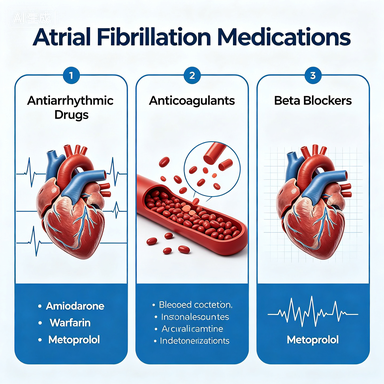
The Role of Blood Thinners
In Afib, blood can pool in the heart’s left atrial appendage, where clots may form and travel to the brain. Anticoagulants help reduce clot formation, lowering stroke risk for those whose medical profile justifies treatment. Doctors typically assess this risk using tools such as CHA₂DS₂-VASc and weigh it against bleeding risks (e.g., HAS-BLED), factoring in lifestyle elements like fall risk, alcohol consumption, and medication adherence.
There is no universally “best” blood thinner. The right one offers the strongest protection against stroke while keeping bleeding risk within acceptable limits, tailored to your personal health situation.
Preferred Options for Stroke Prevention
Guidelines often recommend direct oral anticoagulants (DOACs)—apixaban (Eliquis), rivaroxaban (Xarelto), dabigatran (Pradaxa), and edoxaban (Savaysa)—over warfarin for most patients with nonvalvular Afib. DOACs are simpler to manage, with no routine blood monitoring required. Warfarin remains essential for certain conditions, such as mechanical heart valves or moderate-to-severe mitral stenosis.
Symptom control may involve beta blockers (metoprolol), calcium channel blockers (diltiazem), or rhythm-control drugs, chosen according to heart structure and safety needs. These do not replace anticoagulants; many patients require both.
Comparing Common Anticoagulants
Patients often compare Eliquis and Xarelto. Both are effective but differ in dosing—apixaban is usually twice daily, rivaroxaban once daily with food. Side effects overlap: easy bruising, nosebleeds, heavy menstrual bleeding, and gastrointestinal bleeding. The best fit depends on your health status and daily routine.
Warfarin’s advantage lies in its long track record and suitability for advanced kidney disease or certain valve problems, but it requires regular monitoring and has many food and drug interactions. DOACs offer fixed dosing and fewer interactions, though missed doses can quickly reduce protection.
Special Considerations for Older Adults and Kidney Disease
Age raises both stroke and bleeding risks. The aim is not to avoid anticoagulants entirely but to choose carefully, adjust doses appropriately, and minimize fall and injury hazards.
Kidney function matters because several DOACs are cleared partly through the kidneys. Doses are guided by creatinine clearance rather than a single test result, and plans should be reviewed regularly as kidney health changes. Severe kidney disease may call for warfarin, though select DOAC regimens can sometimes be considered under specialist care.
Bleeding Risk, Surgery, and Reversal Planning
All anticoagulants require a safety plan, especially around surgeries or emergencies. Take medication exactly as prescribed, avoid doubling doses after missed ones, limit NSAIDs unless approved by your doctor, and seek urgent care for warning signs like black stools, vomiting blood, or sudden severe headaches.
Stopping anticoagulants before surgery is not a self-managed decision—timing depends on the drug, kidney function, and procedure type. Always coordinate with your healthcare provider and obtain written instructions.
Some anticoagulants have targeted reversal agents, while others rely on supportive care. Availability varies, so it’s wise to ask what your local emergency department can provide.
Understanding Afib and Reducing Triggers
Knowing your condition helps you make informed treatment choices. Symptoms can include palpitations, breathlessness, chest discomfort, dizziness, or fatigue; some people notice nothing until an ECG or wearable device flags it. Severe symptoms—fainting, chest pain, or stroke-like signs—need immediate care.
Common triggers include excess alcohol, dehydration, poor sleep or untreated sleep apnea, infections, thyroid issues, stimulants, and intense stress. Lifestyle adjustments—weight management, treating sleep apnea, moderating alcohol, and controlling blood pressure or diabetes—may reduce Afib episodes and indirectly lower stroke risk, but they do not replace anticoagulation when medically indicated. Supplements marketed as “natural” can still increase bleeding risk or interact with medications, so always discuss them with your doctor.
Long-term anticoagulation works best when paired with periodic review of kidney function, medication interactions, and bleeding history, ensuring your therapy stays aligned with your current health needs.