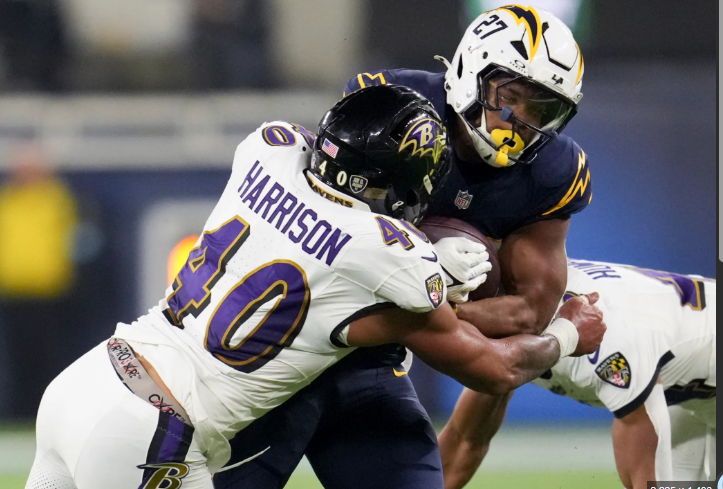
The mechanics of brain injury in football are better understood than ever. It is not only the dramatic, helmet-crushing concussions that cause CTE; it is the cumulative effect of subconcussive hits—the hundreds of smaller collisions that occur on every practice and game day. The force of a typical lineman’s block generates 40 to 60 G’s of acceleration, enough to cause microscopic tearing of brain tissue. The tau proteins that form around these tears accumulate over years, eventually spreading and interfering with neural communication. The connection between CTE and football was first established in 2002, but it took two decades for the NFL to formally admit a link. That admission came amid a $1 billion settlement with former players—a figure that has since risen to $1.4 billion due to claims from thousands of retirees.
The response has been a cascade of rule changes. In 2018, the NFL introduced the “helmet-to-helmet” penalty, imposing 15-yard penalties and fines for hits to the head. In 2023, the league banned the “hip-drop tackle,” a move that had caused multiple concussions, and reduced the number of full-contact practices from 14 to 8 per season. Kickoff plays, which historically have the highest concussion rate (10.5 per 1,000 plays), have been modified with the “dynamic kickoff” rule, moving the kicking team’s alignment closer to the returner to reduce high-speed collisions. At the youth level, Pop Warner has banned kickoffs entirely for athletes under 12 and limited contact in practices to 25% of total time. The results are measurable: NFL concussions fell by 22% between 2022 and 2024, the largest decline since the protocol began in 2009.
However, these measures may not be enough. Participation numbers tell a worrying story. According to the Aspen Institute’s State of Play report, youth football participation (ages 6–12) declined by 24% between 2013 and 2023, dropping from 2.8 million to 2.1 million participants. In suburban areas, the decline is steeper—some high schools in California and New York have dropped varsity teams due to insufficient roster numbers. The sport is becoming increasingly regional, concentrated in the South and Midwest, where football culture remains robust. This geographic concentration creates a talent pipeline issue; if fewer children play, the pool of future college and professional athletes shrinks, and the quality of play may erode over time.
The helmet technology arms race has been a priority. In 2024, the NFL approved 12 new helmet models that reduce impact forces by an average of 20% compared to 2015 standards. The league also introduced “mouthguards with impact sensors” that track every hit in real time, alerting sideline medical staff when an athlete experiences a G-force above a safe threshold. Some college programs have adopted “no-practice” Mondays following games to allow brain tissue to recover, and several now require players to “rest their brains” by abstaining from video games and heavy studying immediately post-game. These innovations are encouraging, but the core issue remains unchanged: football is a collision sport, and collisions will always carry risk.
The existential question has spurred radical proposals. Some experts advocate for eliminating tackling from youth football entirely, replacing it with flag or touch football until age 14. Others have suggested reducing the season length, from 17 games to 12, to lower cumulative exposure. The NFL’s recent expansion to 18 games runs contrary to this logic, a decision that has drawn criticism from player safety advocates. Meanwhile, alternative sports are benefiting; soccer and basketball have seen increased youth registrations, and baseball has maintained its numbers. The NFL’s marketing push—highlighting athleticism, teamwork, and the excitement of the game—has not yet reversed the trend.
Football’s survival ultimately depends on public trust. The league has invested $100 million in medical research and player welfare programmes, but trust is fragile. The 2024 retirement of several young stars in their prime due to concussion concerns sent a signal that even the most talented athletes are weighing the risks. The game will adapt—it has survived scandals, strikes, and rule changes before. But the CTE crisis is different; it touches the fundamental nature of the sport. Football may never be eliminated, but it will be transformed. The era of the “gladiator” is fading. The future of football is safer, more technical, and potentially less violent. Whether that version captivates audiences remains to be seen.