The causes of boxing’s conventional decline are multifaceted. The proliferation of sanctioning bodies—the WBA, WBC, IBF, and WBO, each with their own champions—has diluted the meaning of a world title. Fans struggle to identify the “true” champion, and unification bouts are increasingly rare. The lack of a single governing body also enables fighters to avoid dangerous opponents, choosing easy defences against lower-ranked opponents to pad records. The promotional wars between Top Rank, Golden Boy, and Matchroom have further splintered the sport, with television networks holding exclusive rights that prevent cross-promotional bouts. The result is a sport where the best do not always fight the best, eroding fan trust.
Moreover, boxing has lost its cultural relevance. In the 1960s and 1970s, Muhammad Ali was a global icon; in the 1980s, Mike Tyson was a household name. The early 2000s had Floyd Mayweather Jr. and Manny Pacquiao, but even their “Fight of the Century” in 2015, while commercially massive, did not produce a new generation of fans. By 2024, the only boxers recognizable to the general public were Canelo Alvarez and Tyson Fury—both over 30—and even they struggled to capture the mainstream attention that UFC or MMA had commanded. The rise of the UFC, with its single champion per weight class, Dana White’s promotional genius, and the allure of mixed martial arts, has cannibalized boxing’s fanbase, particularly among viewers aged 18–34.
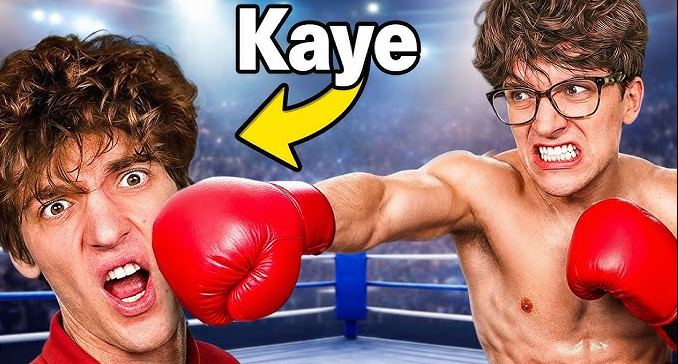
Enter the YouTubers. Jake and Logan Paul, KSI, and others have brought their combined social media followings—over 100 million—to boxing. Their fights, initially derided as “circus acts,” have proven commercially irresistible. The Jake Paul vs. Mike Tyson event generated $40 million in live gate revenue, with tickets priced as high as $10,000. The undercard featured legitimate professional fighters, but the main event was an exhibition between a 58-year-old legend and a 27-year-old influencer—a mismatch in terms of skill, but a sell-out in terms of entertainment. The appeal is not sport but spectacle: the novelty, the nostalgia, and the “unpredictable” drama that traditional boxing lacks.
The influencer era has also brought young fans to the sport. A 2025 survey by the Boxing Writers Association found that 28% of new boxing fans under 25 first engaged with the sport through YouTube or TikTok fights. This demographic shift is critical for the sport’s long-term sustainability. Furthermore, influencers have been willing to take risks that pro boxers avoid; Paul, for instance, has fought former UFC champions and MMA fighters, crossing over into other combat sports. The novelty draws casual viewers, some of whom convert into boxing fans. Sponsors have noticed; brands like Celsius, DraftKings, and Prime Hydration have poured money into influencer fights, filling the sponsorship gap left by traditional advertising.
However, the cost to boxing’s integrity is substantial. Legitimate fighters who have spent years in gyms, accumulating experience and paying dues, find their bouts relegated to the preliminaries of influencer-headlined cards. The sanctioning bodies have been complicit, creating special “celebrity” belts that devalue the sport’s championships. Critics argue that the spectacle normalizes a sanitized, choreographed version of fighting that undermines boxing’s credibility as a legitimate sport. The real damage, however, is financial; the inflated purses for influencers distort the pay structure, making it harder for promoters to justify modest purses for genuine contenders.
The revival has also sparked a regulatory debate. The Association of Boxing Commissions has approved sanctioned influencer fights, provided they meet safety standards—headgear, larger gloves, and shorter rounds—but questions remain about medical oversight and insurance. The Mike Tyson fight, which was only eight rounds of two minutes each, was clearly a marketing event rather than a competitive contest. Yet the line between spectacle and sport is becoming blurred; some influencers now train with elite coaches and fight professionally, blurring the distinction.
Boxing’s future likely lies in a hybrid model: genuine world-class bouts alongside spectacle events, with influencers eventually transitioning to “legitimate” boxing as they gain experience. Jake Paul has already expressed intent to fight for a world title, a goal that requires defeating ranked opponents. Meanwhile, traditional promoters are adapting, signing influencers to development deals and co-promoting cards that balance both audiences. The slow death of boxing has been averted—at least for now—by the very forces that threatened it. Whether the sport can maintain its soul while chasing the algorithm remains to be seen.