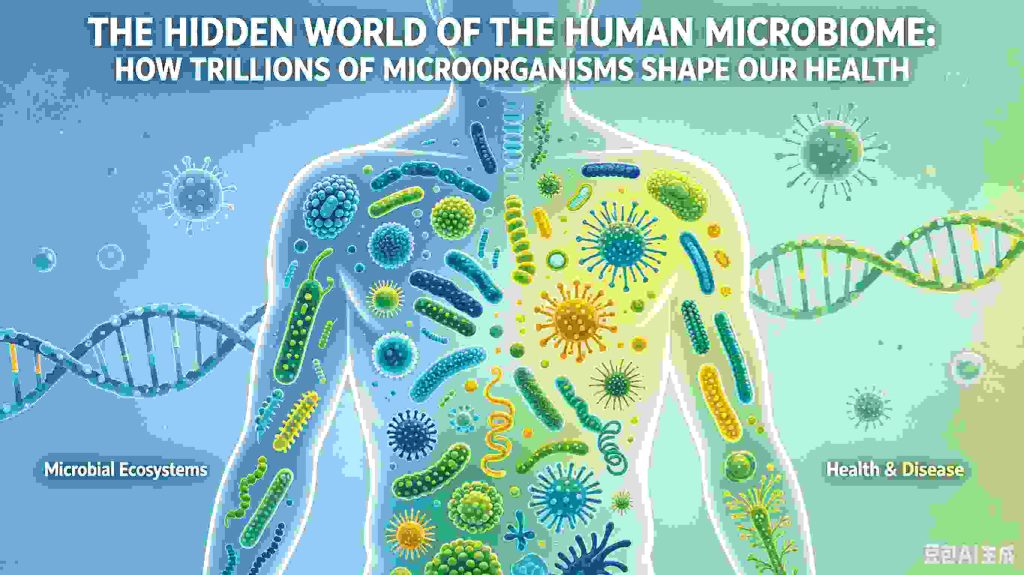
Scientists estimate that the human digestive tract alone contains hundreds of different microbial species working together in a remarkably balanced ecosystem. These microorganisms help break down complex carbohydrates, ferment dietary fiber, and produce important compounds such as short-chain fatty acids that nourish the cells lining the intestine. Certain bacteria also synthesize vitamins, including vitamin K and several B vitamins, contributing directly to normal human metabolism. Because many plant-based foods contain nutrients that human digestive enzymes cannot process independently, beneficial gut bacteria play an essential role in extracting additional energy and nutrients from everyday meals. This mutually beneficial relationship has evolved over millions of years, demonstrating that humans and microorganisms are not simply sharing the same environment but functioning as interconnected biological partners that depend on one another for optimal health.
One of the microbiome’s most important responsibilities involves supporting the immune system. From infancy onward, beneficial microbes help educate immune cells to distinguish between harmless organisms and dangerous pathogens. A healthy microbial community creates competition that limits the growth of harmful bacteria by occupying available space and consuming nutrients that invading microbes need to survive. Some beneficial bacteria even produce natural antimicrobial compounds capable of suppressing disease-causing organisms. Researchers have discovered that disruptions to the normal balance of gut microbes, a condition often called dysbiosis, may increase susceptibility to infections, allergies, inflammatory bowel disease, and certain autoimmune disorders. Maintaining microbial diversity therefore appears to be an important factor in preserving immune function throughout life.
Recent scientific discoveries have also revealed an intriguing relationship between the gut and the brain, commonly referred to as the gut-brain axis. This communication network connects the digestive system and the central nervous system through nerves, hormones, immune signaling molecules, and microbial metabolites. Certain intestinal bacteria produce neurotransmitter precursors and other biologically active compounds that may influence mood, stress responses, sleep quality, and cognitive performance. Although researchers are still investigating the precise mechanisms involved, several studies suggest that changes in gut microbial composition may be associated with conditions such as anxiety, depression, and neurodegenerative diseases. While the microbiome is unlikely to be the sole cause of these disorders, growing evidence indicates that maintaining a healthy gut ecosystem could contribute to better mental and neurological health alongside traditional medical treatments.
Diet is one of the most powerful factors influencing the composition of the human microbiome. Foods rich in dietary fiber, fruits, vegetables, legumes, whole grains, and fermented products provide nutrients that encourage the growth of beneficial microorganisms. In contrast, diets high in processed foods, excessive sugar, and unhealthy fats may reduce microbial diversity and promote less favorable bacterial populations. Antibiotics, although lifesaving when used appropriately, can also disrupt the microbiome by eliminating beneficial bacteria along with harmful pathogens. For this reason, healthcare professionals emphasize responsible antibiotic use while encouraging dietary habits that support long-term microbial balance. Scientists continue to explore how personalized nutrition plans based on an individual’s microbiome may one day optimize health outcomes more effectively than generalized dietary recommendations.
Advances in DNA sequencing technologies have dramatically accelerated microbiome research over the past two decades. Instead of relying solely on laboratory cultures, scientists can now identify thousands of microbial species directly from biological samples by analyzing their genetic material. These techniques have revealed that every person’s microbiome is unique, influenced by genetics, birth method, age, diet, lifestyle, environment, medications, and numerous other factors. Large international research projects continue mapping microbial diversity across different populations to better understand how these microscopic communities influence health and disease. As computing power and bioinformatics continue improving, researchers are uncovering increasingly sophisticated interactions between microbes, human cells, and the immune system that were previously impossible to observe.
The growing understanding of the microbiome is already influencing modern medicine. Physicians routinely recommend probiotics or dietary adjustments in specific situations to help restore microbial balance, while researchers are investigating more advanced therapies such as fecal microbiota transplantation for treating certain severe intestinal infections. Future medical treatments may involve highly targeted microbial therapies designed to introduce beneficial bacterial strains capable of preventing disease or enhancing existing treatments. Scientists are also exploring whether microbiome analysis could help predict an individual’s risk of developing obesity, diabetes, cardiovascular disease, colorectal cancer, and other chronic conditions. Although many applications remain experimental, the microbiome is rapidly becoming an important component of precision medicine and preventive healthcare.
The human microbiome reminds us that health depends not only on our own cells but also on the vast communities of microscopic organisms that have evolved alongside us for millions of years. Continued research is transforming our understanding of nutrition, immunity, metabolism, mental health, and chronic disease, revealing biological relationships far more intricate than previously imagined. As scientists continue discovering how these invisible ecosystems function, new opportunities will emerge for developing personalized therapies, improving disease prevention, and enhancing overall well-being. Rather than viewing microbes solely as enemies to eliminate, modern science increasingly recognizes them as essential partners in maintaining human health, illustrating that some of the most important contributors to our survival are too small to be seen with the naked eye.

-4-300x300.png)