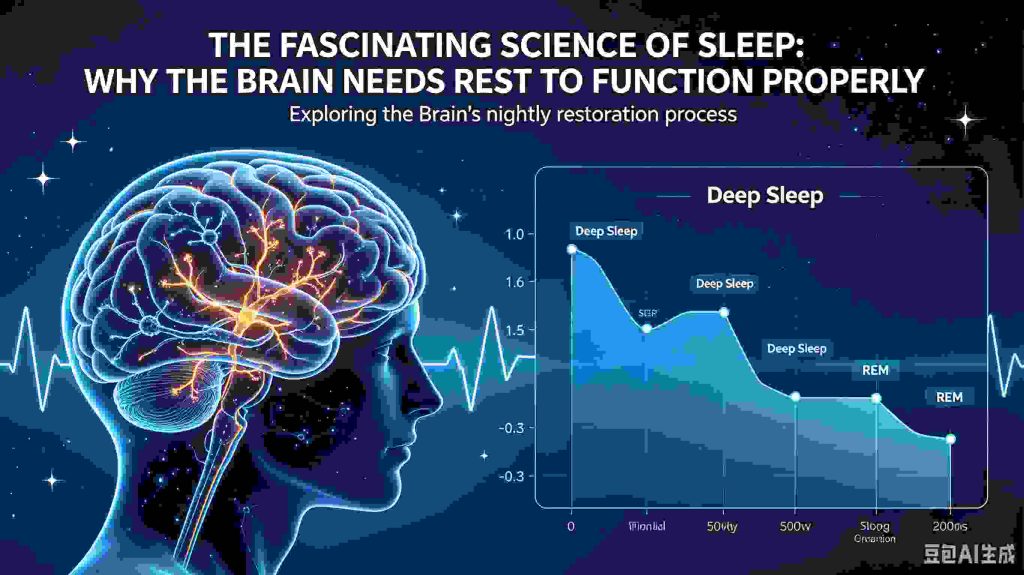
Sleep occurs in cycles that typically last around 90 minutes and repeat several times throughout the night. These cycles are composed of different stages, including light sleep, deep sleep, and rapid eye movement (REM) sleep. Each stage serves a distinct biological function. During deep sleep, the body focuses on physical restoration, including tissue repair, immune system strengthening, and energy replenishment. REM sleep, on the other hand, is closely associated with dreaming and plays a key role in emotional processing and memory consolidation. The brain remains highly active during REM sleep, even though the body experiences temporary muscle paralysis. This complex cycle demonstrates that sleep is a dynamic process involving coordinated neurological and physiological activity rather than simple rest.
One of the most important functions of sleep is memory consolidation. Throughout the day, the brain receives vast amounts of sensory information, experiences, and new knowledge. Sleep helps organize and store this information by transferring short-term memories into long-term storage. The hippocampus and cerebral cortex work together during sleep to strengthen neural connections associated with learning. This process is essential for academic performance, skill development, and problem-solving abilities. Studies have shown that individuals who get sufficient sleep perform better on cognitive tasks, retain information more effectively, and demonstrate improved creativity compared to those who are sleep-deprived. Without adequate sleep, the brain struggles to process and organize information efficiently, leading to reduced mental performance and impaired decision-making.
Sleep also plays a crucial role in regulating emotional health. The brain’s emotional centers, particularly the amygdala, become more reactive when a person is sleep-deprived, leading to increased irritability, anxiety, and mood instability. At the same time, the prefrontal cortex, which is responsible for rational thinking and impulse control, becomes less effective. This imbalance can make it more difficult to manage stress, regulate emotions, and respond appropriately to social situations. Chronic sleep deprivation has been linked to higher risks of mental health conditions such as depression and anxiety disorders. Conversely, consistent and high-quality sleep helps stabilize mood, improve emotional resilience, and enhance overall psychological well-being.
Another essential function of sleep is physical restoration and maintenance. During deep sleep stages, the body releases growth hormones that support tissue repair, muscle growth, and cellular regeneration. The immune system becomes more active during sleep, helping the body fight infections and recover from illness. Sleep also plays a role in regulating metabolism, hormone production, and appetite control. For example, hormones such as leptin and ghrelin, which regulate hunger and satiety, are influenced by sleep duration and quality. Insufficient sleep can disrupt these hormonal systems, leading to increased appetite, cravings for high-calorie foods, and a higher risk of weight gain and metabolic disorders such as diabetes.
Recent scientific discoveries have also highlighted the importance of the glymphatic system, a waste clearance mechanism in the brain that becomes highly active during sleep. This system helps remove metabolic waste products that accumulate during waking hours, including proteins associated with neurodegenerative diseases such as Alzheimer’s. During sleep, brain cells shrink slightly, allowing cerebrospinal fluid to flow more efficiently and flush out toxins. This process suggests that sleep may play a protective role in long-term brain health by reducing the buildup of harmful substances. Without adequate sleep, these waste removal processes become less efficient, potentially increasing the risk of cognitive decline over time.
Modern lifestyles have significantly impacted sleep quality for many individuals. Exposure to artificial light, particularly blue light from screens, can disrupt the production of melatonin, a hormone that regulates the sleep-wake cycle. Irregular work schedules, high stress levels, caffeine consumption, and digital distractions all contribute to poor sleep hygiene. As a result, sleep disorders such as insomnia are becoming increasingly common in industrialized societies. Scientists emphasize the importance of maintaining consistent sleep schedules, reducing screen exposure before bedtime, and creating environments that support relaxation and darkness to improve sleep quality. Public health organizations now recognize sleep as a critical component of overall health, alongside nutrition and physical activity.
As research continues, scientists are uncovering even more connections between sleep and nearly every system in the human body. From immune function and cardiovascular health to brain performance and emotional regulation, sleep influences biological processes at multiple levels. Advances in neuroscience, wearable technology, and sleep medicine are helping researchers better understand individual sleep patterns and develop personalized strategies for improving rest. Although many questions remain unanswered, it is increasingly clear that sleep is not a luxury but a biological necessity. Prioritizing healthy sleep habits can significantly improve quality of life, cognitive performance, and long-term health outcomes, making sleep one of the most important pillars of human well-being.