-1-1-1024x1024.png)
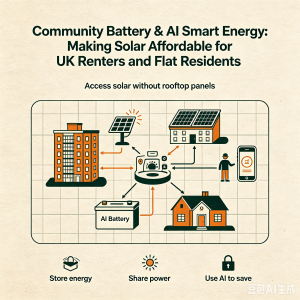
The core innovation of the everything-to-grid system lies in its bidirectional energy flow and intelligent interactive scheduling capability, which distinguishes it from conventional power grids. Traditional grids are designed for unidirectional power delivery, making it difficult to adapt to the intermittent and unstable characteristics of renewable energy sources such as solar and wind power. When renewable energy generation peaks exceed user demand, excess power is wasted due to the lack of effective storage channels. In contrast, the everything-to-grid system integrates distributed energy resources across urban environments, enabling every power-consuming device to participate in grid energy regulation. Electric vehicles, rooftop solar systems, and building energy storage equipment can store excess power during peak generation periods and feed power back to the grid during demand spikes. Urban power supply stability has been significantly improved through the large-scale application of everything-to-grid technology, solving the long-standing problem of grid overload during peak electricity consumption periods. Summer evenings in Western countries typically see extreme grid pressure, as residential air conditioners, household appliances, and commercial equipment operate at full capacity after sunset, while rooftop solar power generation completely stops. This sudden demand surge and supply drop often cause grid imbalance, voltage instability, and even regional power outages. The everything-to-grid system effectively alleviates this pressure by mobilizing stored energy from tens of thousands of electric vehicles and smart building energy storage systems, supplementing grid power supply during peak demand and maintaining overall grid balance. Renewable energy penetration rates have achieved rapid growth thanks to the flexible regulation capabilities of smart everything-to-grid systems. Wind and solar power generation are inherently unstable, affected by weather changes, day-night cycles, and seasonal shifts, making large-scale grid integration difficult with traditional grid technology. The energy storage and bidirectional regulation functions of the new grid system can smooth out the fluctuations of renewable energy generation, convert intermittent clean energy into stable and schedulable power resources, and greatly reduce the abandonment rate of wind and solar power. Western European and North American countries have used this technology to increase their renewable energy grid integration ratio by nearly 20% in 2026, greatly advancing their carbon neutrality goals. Industrial energy conservation and emission reduction have also benefited enormously from the everything-to-grid energy model. Traditional industrial energy consumption follows fixed production schedules, often leading to high energy consumption during grid peak periods and low energy utilization efficiency. Smart grid systems can intelligently adjust industrial power consumption plans based on real-time grid load and renewable energy generation data. Industrial enterprises can shift high-energy-consumption production processes to periods of sufficient renewable energy supply, reduce power consumption during grid peak demand, and use factory energy storage equipment to feed excess power back to the grid during production downtime. This intelligent scheduling mode reduces industrial energy costs while lowering overall industrial carbon emissions. Residential energy autonomy and energy-saving awareness have been comprehensively enhanced with the popularization of household everything-to-grid terminals. Modern smart homes equipped with rooftop solar panels and small energy storage batteries can achieve partial self-sufficiency in power supply. Households can consume self-generated clean electricity first, store excess power in energy storage devices, and sell surplus electricity to the public grid to obtain economic benefits. This household-level energy interaction mechanism not only reduces residents’ electricity bills but also enables ordinary users to participate in clean energy promotion and grid regulation, forming a grassroots-driven sustainable energy development model widely recognized in Western societies. The development of everything-to-grid technology has also driven the iterative upgrading of energy sensor, intelligent control, and big data analysis industries. To realize precise bidirectional energy scheduling, the entire grid system requires massive high-precision sensors to monitor real-time power generation, consumption, and storage data of each terminal unit. Cloud computing and big data platforms analyze massive grid operation data in real time, predict future grid load changes and renewable energy generation trends, and formulate optimal scheduling strategies automatically. The technological innovation of upstream and downstream industrial chains has formed a complete smart energy industrial ecosystem, injecting new impetus into Western green economic development. Despite its outstanding advantages, the large-scale promotion of everything-to-grid technology still faces technical and institutional challenges. The bidirectional energy interaction of massive terminal equipment puts forward higher requirements for grid safety protection and data security, requiring more advanced fault detection and network security systems to prevent grid operation failures and data leakage risks. In addition, the current energy market mechanism is not fully adapted to the new bidirectional energy trading model, requiring governments to formulate new electricity price policies and trading rules to standardize household and industrial grid energy transactions. Western countries are actively promoting supporting policy reforms to match technological progress. Looking ahead, everything-to-grid smart energy systems will become the core infrastructure of future zero-carbon cities. With the continuous improvement of terminal equipment intelligence and grid scheduling algorithms, urban energy systems will achieve full automation, precision, and green operation. This innovative energy model will not only solve the instability problem of renewable energy but also realize the optimal allocation of global energy resources, providing a fundamental technical guarantee for human society to achieve long-term sustainable energy development and address global climate change challenges.
-2-300x300.png)
-4-300x300.png)