At the cellular level, aging is closely linked to the gradual accumulation of damage within cells and tissues. One key factor is the shortening of telomeres, protective caps at the ends of chromosomes that help maintain genetic stability during cell division. Each time a cell divides, telomeres become slightly shorter until they eventually reach a critical length, causing the cell to stop dividing or become dysfunctional. This process is associated with tissue aging and reduced regenerative capacity. In addition, oxidative stress caused by free radicals can damage cellular components such as DNA, proteins, and lipids over time. Mitochondrial dysfunction, another hallmark of aging, reduces the cell’s ability to produce energy efficiently. Together, these processes contribute to the gradual decline in biological function that characterizes aging organisms.
The immune system also undergoes significant changes with age, a phenomenon known as immunosenescence. As individuals grow older, the immune response becomes less efficient, making it harder to fight infections and respond to vaccinations. At the same time, chronic low-level inflammation, sometimes referred to as “inflammaging,” tends to increase in the body. This persistent inflammatory state is associated with a higher risk of age-related diseases such as cardiovascular disease, diabetes, arthritis, and neurodegenerative disorders. Scientists believe that controlling inflammation through lifestyle interventions, such as diet, exercise, and stress management, may play a key role in promoting healthy aging and reducing the risk of chronic illness in later life.
Lifestyle factors have a profound influence on the aging process. Regular physical activity is one of the most effective ways to maintain health and slow age-related decline. Exercise improves cardiovascular function, strengthens muscles and bones, enhances cognitive performance, and supports metabolic health. Both aerobic exercise and resistance training have been shown to contribute to longevity by improving overall physiological resilience. Nutrition is another critical factor, with diets rich in fruits, vegetables, whole grains, lean proteins, and healthy fats associated with better aging outcomes. Caloric balance, nutrient density, and metabolic regulation all play roles in maintaining cellular health. Additionally, avoiding harmful habits such as smoking, excessive alcohol consumption, and chronic sleep deprivation can significantly reduce the risk of age-related diseases.
Mental and cognitive health are also essential components of healthy aging. The brain undergoes structural and functional changes over time, including reduced neuroplasticity, slower processing speed, and changes in memory performance. However, research shows that mental stimulation, social engagement, and lifelong learning can help preserve cognitive function. Activities such as reading, problem-solving, learning new skills, and maintaining social connections are associated with a lower risk of cognitive decline and dementia. Emotional well-being and stress management are equally important, as chronic psychological stress can negatively affect both brain and body health. Mindfulness practices, meditation, and strong social support systems have been linked to improved mental resilience in aging populations.
Advances in medical science are playing an increasingly important role in extending healthy lifespan. Preventive medicine, early disease detection, and personalized healthcare approaches allow conditions to be identified and treated before they become severe. Innovations in genomics and biotechnology are helping researchers understand how genetic factors influence aging and disease susceptibility. Drugs that target specific aging pathways, such as those involved in cellular senescence or metabolic regulation, are currently being studied for their potential to slow age-related decline. Additionally, regenerative medicine, including stem cell therapy and tissue engineering, offers promising possibilities for repairing or replacing damaged tissues in aging individuals.
Environmental factors also contribute significantly to aging outcomes. Exposure to pollution, ultraviolet radiation, and toxic substances can accelerate cellular damage and increase the risk of disease. On the other hand, access to clean air, safe water, and healthy living conditions supports long-term health. Socioeconomic status, healthcare access, and education also influence aging, as individuals with better resources are more likely to adopt healthy behaviors and receive timely medical care. Public health initiatives aimed at improving living conditions and promoting healthy lifestyles can therefore have a significant impact on population-wide aging trends.
The future of aging research is focused on understanding how to extend not just lifespan but healthspan, allowing people to live longer while maintaining physical and cognitive vitality. Scientists are exploring emerging fields such as epigenetics, senolytics, microbiome research, and metabolic regulation to uncover new strategies for slowing or even partially reversing aspects of aging. While true biological immortality remains a theoretical concept, incremental improvements in health and longevity are becoming increasingly realistic. The goal of modern aging science is not to eliminate aging altogether but to ensure that individuals can age in a healthier, more active, and more independent way.
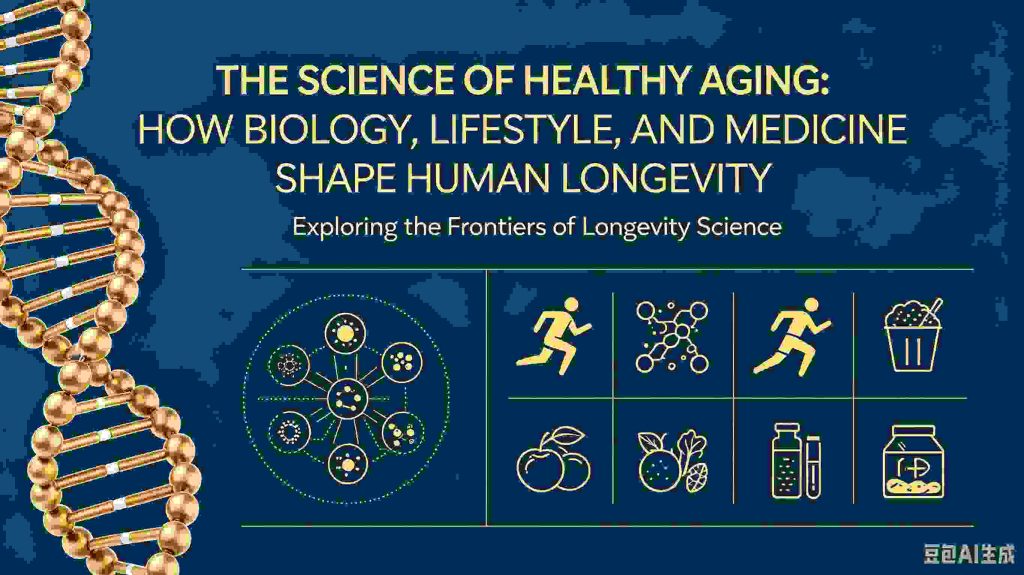
Healthy aging represents a multidisciplinary field that integrates biology, medicine, psychology, and public health. It emphasizes the idea that aging is not simply a process of decline but a dynamic phase of life that can be influenced by conscious choices and scientific innovation. As research continues to advance, society is gaining a deeper understanding of how to support aging populations and improve quality of life across all stages of adulthood. By combining healthy lifestyle practices with medical advancements, it is possible to significantly improve the experience of aging and move toward a future where longer life expectancy is matched by sustained health and well-being.

-2-1-300x300.png)
-2-300x300.png)