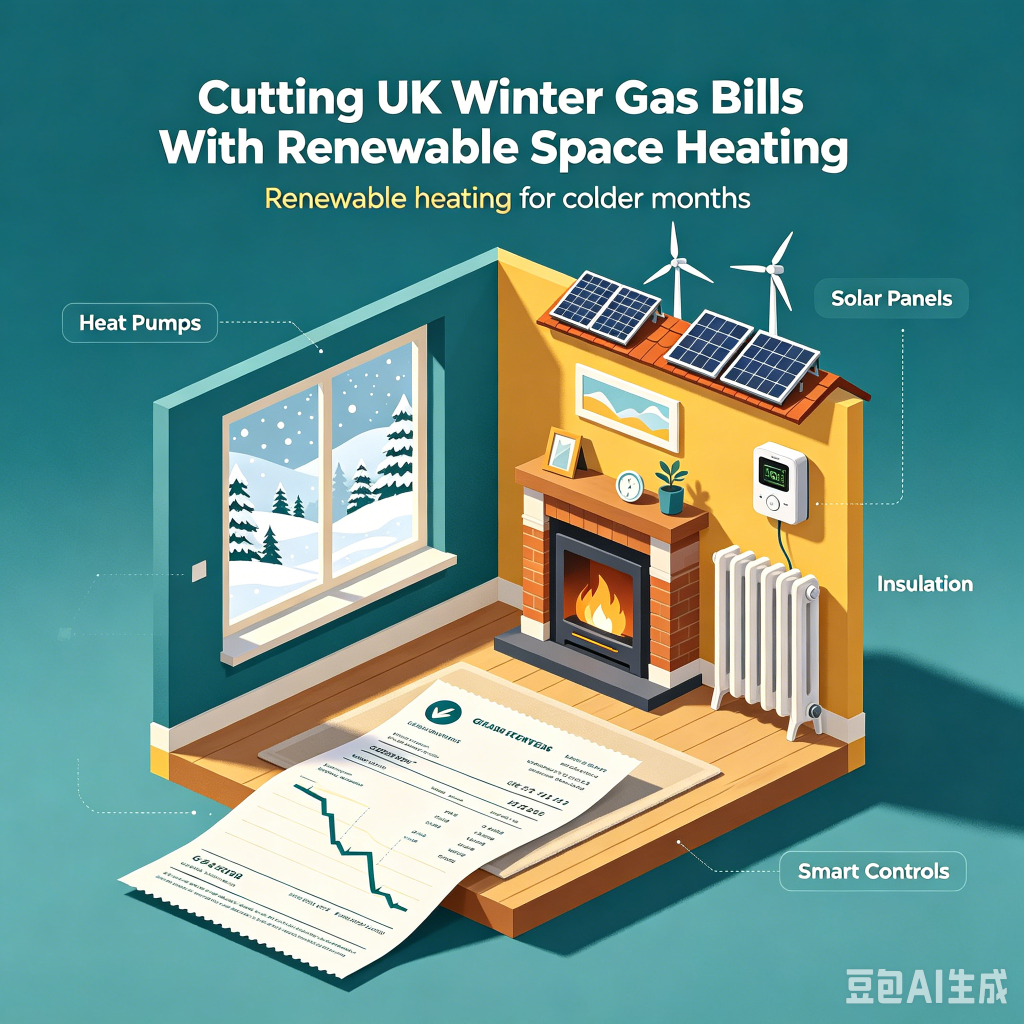
Traditional heat pump installations operate independently of on-site solar generation, often drawing grid electricity during high evening tariff periods when household heating demand peaks and solar output drops to zero. Without smart coordination, homeowners miss major efficiency opportunities to use midday solar surpluses to power heating cycles, minimizing costly grid energy consumption for space and hot water heating throughout colder winter months in Britain. Dedicated AI energy management controllers bridge solar inverter output, heat pump runtime modulation, home battery storage, and real-time UK electricity tariff data in a unified automated system. The algorithm continuously prioritizes using direct on-site solar electricity to run heat pump compressors during daylight hours, storing excess solar energy in batteries to sustain heating demand through late afternoons and early evenings when gas heating would normally activate in older properties. Adaptive learning within the AI platform builds a detailed thermal profile of each individual home, accounting for wall insulation quality, window efficiency, building orientation, room layout, and typical family occupancy timelines. The system pre-heats living spaces using solar power during midday sunshine windows, maintaining stable comfortable overnight temperatures while limiting heat pump operation to lowest-price off-grid tariff periods whenever supplementary power is required. The UK government’s Boiler Upgrade Scheme provides fixed upfront grant funding to offset heat pump installation costs, while separate rooftop solar incentives and Smart Export Guarantee revenue further improve financial viability for combined solar-heat pump retrofits. AI optimization directly improves these systems’ economic return by raising solar self-consumption rates, making grant-aided upgrades pay back faster for homeowners across England, Scotland, Wales, and Northern Ireland. Community battery infrastructure rolled out under UK local council energy strategies also supports multi-unit heat pump adoption for apartment residents unable to fit personal rooftop solar panels. Central AI scheduling allocates shared community solar reserves to power communal heating systems and individual flat heat pumps proportionally, extending low-carbon heating savings to renters and leaseholders previously locked out of efficient heating upgrades. Seasonal operational adjustments programmed into the AI controller automatically shift strategy between winter heating mode and summer cooling/ventilation mode without homeowner intervention. During mild spring and autumn transitional months, the system balances heat pump use, passive solar gain from window exposure, and ventilation cycles to maintain comfort with minimal overall energy expenditure year-round. Smart thermostat interoperability with the AI solar-heat pump ecosystem enables room-by-room temperature zoning to eliminate wasted heating in unoccupied bedrooms, home offices, and spare spaces. Individual setpoint adjustments made by household members feed back into machine learning models, refining long-term scheduling decisions to match personalized comfort preferences while preserving maximum energy efficiency performance. Grid flexibility participation creates an extra revenue stream for UK households with AI-managed solar-heat pump setups enrolled in national demand response programs. During national grid stress events in cold winter evenings, the system temporarily moderates heat pump output within pre-set comfort boundaries in exchange for direct cash incentive payments credited to electricity bills quarterly. Detailed mobile app reporting lets homeowners track total gas consumption reductions, solar electricity used for heating, battery charge cycling activity, and cumulative monthly financial savings compared to previous gas boiler usage. Plain-language breakdowns clearly demonstrate carbon emission reductions alongside monetary savings, helping households visualize both financial and environmental outcomes from their heating upgrade investment. Technical servicing requirements for combined AI solar-heat pump systems remain streamlined compared to older gas boiler infrastructure, with embedded predictive fault detection flagging refrigerant pressure drops, fan motor wear, and sensor calibration drift before performance degradation emerges. Proactive maintenance alerts reduce emergency service callouts and extend total equipment service life for heating hardware. Older UK homes with historically poor energy efficiency present unique retrofit