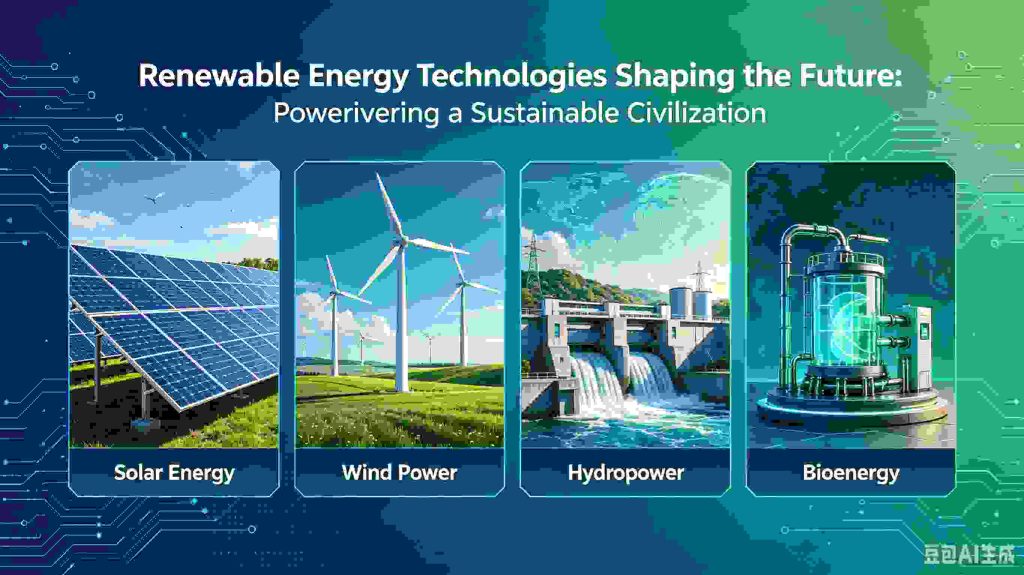
Solar energy is one of the most widely recognized and rapidly expanding forms of renewable energy. Photovoltaic cells, commonly known as solar panels, convert sunlight directly into electricity using semiconductor materials that generate an electric current when exposed to photons. Over the past decade, advances in materials science and manufacturing techniques have significantly improved the efficiency and affordability of solar technology. Large-scale solar farms now generate electricity capable of powering entire cities, while rooftop solar installations allow homeowners and businesses to produce their own clean energy. In many regions, solar energy has already become cost-competitive with fossil fuels, especially in areas with high levels of sunlight. Despite challenges such as intermittency and energy storage requirements, ongoing research in battery technology and grid integration continues to make solar power an increasingly reliable and essential component of modern energy systems.
Wind energy is another rapidly growing renewable resource that plays a critical role in global energy transitions. Wind turbines convert kinetic energy from moving air into mechanical power, which is then transformed into electricity. Modern wind farms, both onshore and offshore, consist of large arrays of turbines strategically placed in locations with consistent wind patterns. Offshore wind farms in particular benefit from stronger and more stable winds, enabling higher energy output. Advances in turbine design, including larger rotor blades, improved aerodynamics, and more efficient generators, have dramatically increased the performance of wind energy systems. Countries around the world are investing heavily in wind infrastructure as part of their efforts to reduce carbon emissions and diversify energy portfolios. While concerns remain regarding environmental impact on wildlife and visual landscapes, careful planning and technological innovation are helping to minimize these effects while maximizing energy production.
Hydroelectric power has long been one of the most established forms of renewable energy, utilizing the natural movement of water to generate electricity. Large dams store water in reservoirs and release it through turbines to produce energy, while smaller run-of-river systems generate electricity without the need for extensive water storage. Hydropower is highly efficient and capable of producing large quantities of electricity consistently, making it a valuable source of baseload power in many countries. It also provides additional benefits such as flood control, irrigation support, and water supply management. However, hydroelectric projects can have significant ecological and social impacts, including habitat disruption, changes in river ecosystems, and displacement of communities. As a result, modern hydro development increasingly focuses on balancing energy production with environmental conservation and sustainable water management practices.
Geothermal energy represents a less widely known but highly reliable renewable resource that harnesses heat from beneath the Earth’s surface. In regions with strong geothermal activity, such as volcanic zones or tectonic plate boundaries, underground reservoirs of steam and hot water can be accessed to generate electricity or provide direct heating. Geothermal power plants offer the advantage of continuous, stable energy production regardless of weather conditions, making them an excellent complement to intermittent sources like solar and wind. Enhanced geothermal systems are also being developed to expand access to geothermal energy in areas without natural reservoirs. Although high initial drilling costs and geological uncertainties present challenges, geothermal energy remains one of the most promising long-term solutions for sustainable baseload power generation.
Energy storage technology plays a crucial role in enabling widespread adoption of renewable energy systems. Because sources like solar and wind are variable and dependent on environmental conditions, effective storage solutions are needed to ensure a stable and reliable energy supply. Lithium-ion batteries are currently the most common storage technology, used in everything from electric vehicles to grid-scale energy storage facilities. However, researchers are also exploring alternative technologies such as solid-state batteries, flow batteries, hydrogen storage, and compressed air systems. Improvements in energy density, charging speed, lifespan, and cost are essential for large-scale deployment. As storage technologies continue to advance, they will help bridge the gap between energy production and consumption, allowing renewable energy to function as a dependable backbone of modern electricity grids.
The transition to renewable energy is not only a technological challenge but also an economic and political one. Governments around the world are implementing policies such as tax incentives, subsidies, carbon pricing, and renewable portfolio standards to encourage investment in clean energy infrastructure. Private companies are increasingly adopting sustainability goals as part of their long-term business strategies, driven by consumer demand, regulatory pressure, and financial opportunities. Global cooperation is also essential, as climate change and energy security are interconnected issues that transcend national borders. While the transition away from fossil fuels requires significant investment and infrastructure development, the long-term benefits include reduced environmental damage, improved public health, and greater energy independence.
Looking ahead, renewable energy technologies are expected to play a central role in shaping the future of global civilization. Continued innovation in materials science, artificial intelligence, smart grid systems, and energy storage will further enhance efficiency and reliability. As costs continue to decline, renewable energy is likely to become the dominant source of electricity worldwide. This transformation represents more than a technological shift; it reflects a fundamental change in how humanity interacts with the natural environment. By embracing sustainable energy systems, societies can reduce their environmental footprint while supporting economic growth and technological progress. The future of energy is increasingly defined by sustainability, and renewable technologies are at the heart of this global transition.

-5-300x300.png)