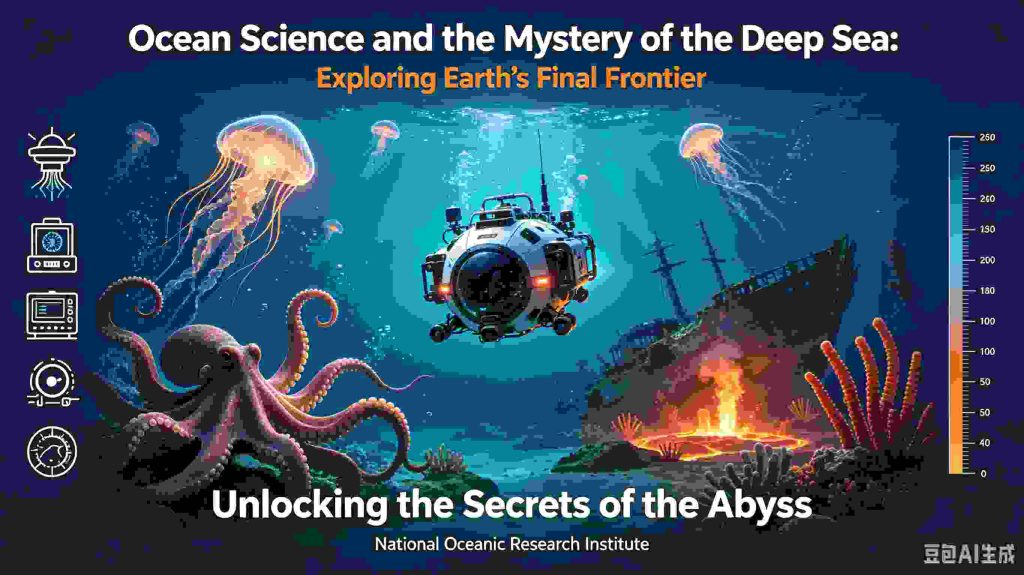
The physical structure of the ocean is divided into several layers, each characterized by different conditions of light, pressure, temperature, and biological activity. The surface layer, known as the epipelagic zone, receives sunlight and supports most of the ocean’s visible life, including plankton, fish, and marine mammals. Below this lies the mesopelagic zone, often referred to as the twilight zone, where sunlight is extremely limited and many organisms have evolved unique adaptations such as bioluminescence. Deeper still is the bathypelagic zone, where complete darkness prevails and pressure increases dramatically. In the deepest parts of the ocean, such as the hadal zone found in ocean trenches, pressure can reach levels thousands of times greater than at sea level. These extreme conditions create environments that are unlike anything found on land, forcing organisms to evolve specialized biological features in order to survive.
One of the most fascinating discoveries in ocean science is the existence of deep-sea ecosystems that do not rely on sunlight for energy. In places such as hydrothermal vent systems, bacteria use chemical energy from minerals and gases released by the Earth’s crust to produce organic matter through a process known as chemosynthesis. These microbial communities form the base of unique food chains that support a wide variety of specialized organisms, including giant tube worms, deep-sea crabs, and unusual species of fish. Hydrothermal vents were first discovered in the late 1970s and completely changed scientists’ understanding of how life can exist in extreme environments. These ecosystems demonstrate that life can thrive without sunlight, raising intriguing possibilities about the potential for life on other planets or moons with similar conditions.
The ocean plays a crucial role in regulating Earth’s climate system by absorbing heat and carbon dioxide from the atmosphere. Ocean currents distribute heat around the globe, influencing weather patterns and climate conditions in different regions. The thermohaline circulation, often referred to as the global ocean conveyor belt, is a large-scale system of currents driven by differences in temperature and salinity. This circulation helps stabilize global climate by transporting warm water from the equator toward the poles and returning cold water to lower latitudes. However, changes in temperature caused by climate change are beginning to disrupt these patterns, potentially leading to long-term consequences for global weather systems. Understanding ocean dynamics is therefore essential for predicting future climate changes and their impact on human societies.
Marine biodiversity is one of the richest and most diverse in the world, with millions of species believed to inhabit ocean environments. Coral reefs, often described as the rainforests of the sea, are among the most biologically productive ecosystems on Earth. They provide habitat, food, and breeding grounds for a vast array of marine life. However, coral reefs are extremely sensitive to environmental changes, particularly rising ocean temperatures and acidification. Coral bleaching occurs when stressed corals expel the symbiotic algae that provide them with energy and color, often leading to widespread reef decline. In addition to coral reefs, deep-sea ecosystems, coastal wetlands, and open-ocean environments all contribute to the overall health of the planet’s biosphere, making marine conservation a critical area of scientific and environmental focus.
Ocean exploration technology has advanced significantly in recent decades, enabling scientists to study environments that were previously inaccessible. Remotely operated vehicles (ROVs), autonomous underwater vehicles (AUVs), deep-sea submersibles, and advanced sonar mapping systems allow researchers to explore the ocean floor in unprecedented detail. High-resolution mapping has revealed underwater mountains, volcanic structures, massive trenches, and previously unknown geological features. Satellite technology also helps scientists monitor ocean temperatures, currents, and sea level changes from space. Despite these advancements, the vast size and depth of the oceans mean that exploration remains challenging, expensive, and time-consuming. Each new expedition continues to reveal unexpected discoveries, highlighting how much remains unknown about the underwater world.
Human activity has increasingly impacted ocean environments through pollution, overfishing, and climate change. Plastic waste has become a major global concern, with millions of tons entering the oceans each year and affecting marine life through ingestion and entanglement. Overfishing has disrupted marine food chains, leading to declining fish populations and ecosystem imbalances. Rising carbon dioxide levels have contributed to ocean acidification, which threatens organisms that rely on calcium carbonate structures, such as shellfish and corals. Coastal development and industrial activity have also altered natural habitats, reducing biodiversity in many regions. Addressing these challenges requires international cooperation, sustainable resource management, and the development of innovative technologies to reduce pollution and restore marine ecosystems.
Ocean science also has important economic and societal implications. The oceans provide food, transportation routes, energy resources, and recreational opportunities for billions of people around the world. Fisheries and aquaculture industries depend on healthy marine ecosystems, while offshore energy production contributes to global electricity supplies. Understanding ocean behavior is essential for maritime safety, disaster prediction, and coastal planning. Tsunamis, hurricanes, and storm surges are all influenced by ocean conditions, making early warning systems critical for protecting human lives. Scientific research in oceanography therefore supports not only environmental protection but also economic stability and global security.
As research continues, scientists are gaining a deeper appreciation for the complexity and importance of ocean systems. New discoveries are reshaping our understanding of marine biology, geology, and climate interactions. The deep sea remains one of the most mysterious environments on Earth, holding secrets that may reveal new species, new chemical compounds, and new insights into the origins of life itself. Continued investment in ocean exploration, conservation, and sustainable management will be essential for maintaining the health of the planet. As humanity faces growing environmental challenges, the ocean remains both a vital resource and a reminder of how much of our world is still waiting to be discovered beneath the waves.