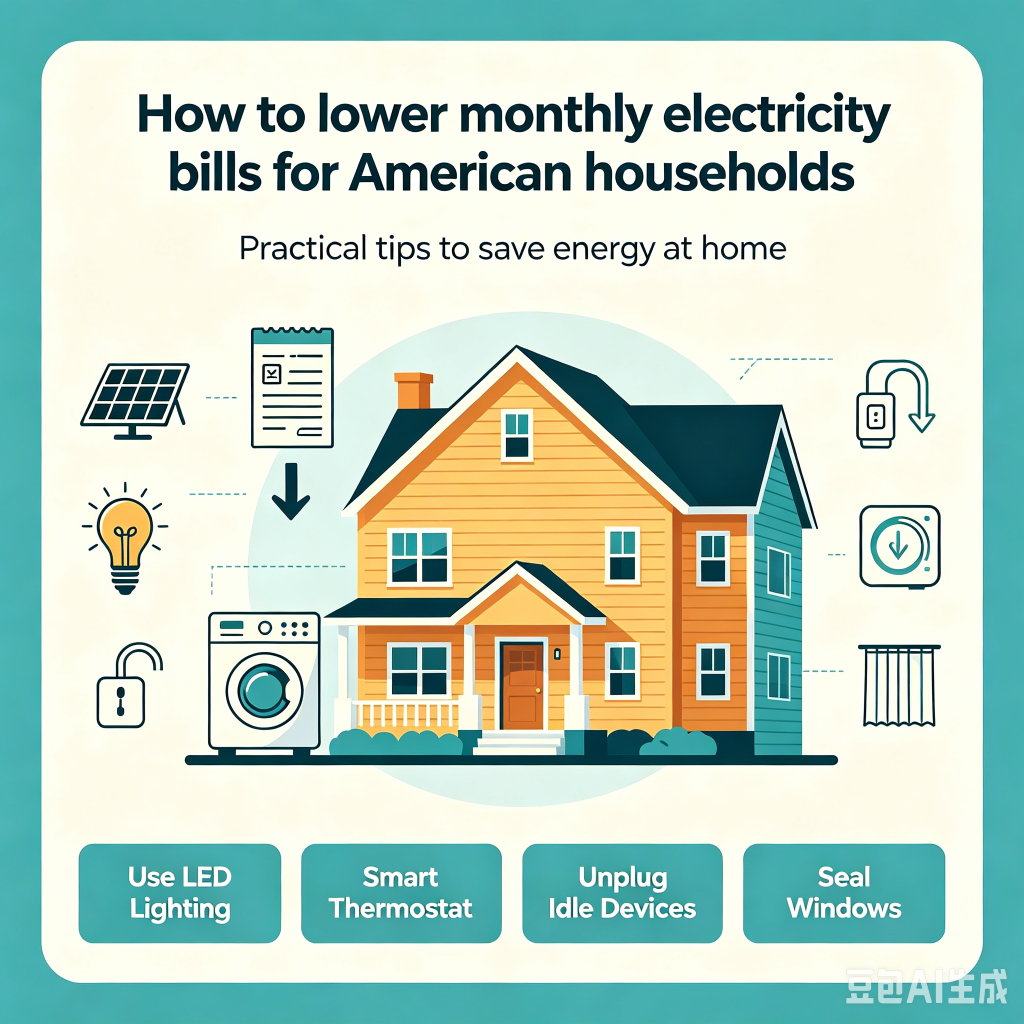
AI energy management platforms connect directly to rooftop solar panels, home battery banks, smart thermostats, and electric vehicle chargers inside a single household ecosystem. These systems continuously track real-time solar generation output, hourly utility pricing tiers, and individual family consumption habits without requiring manual adjustments from residents. Over just two to three weeks, the algorithm learns routine patterns including morning coffee maker use, afternoon home office electricity draw, evening appliance cycles, and overnight EV charging needs. In states like California, Texas, and Arizona with strong net metering policies, AI automatically decides when to store excess solar power and when to export surplus electricity back to the public grid for credit payouts. During midday when sunlight is strongest and household use is low, extra solar energy charges home batteries to full capacity instead of sending all power to the grid at lower compensation rates. This simple reallocation can raise a household’s self-consumption rate from under 40 percent to more than 70 percent with no extra work from the homeowner. Peak demand pricing is one of the biggest financial pain points for US residential electricity customers, and AI solves this challenge with automated load shifting. When utilities activate high-cost peak windows in late afternoon and early evening, the system shuts down non-essential high-wattage devices such as pool pumps, electric dryers, and space heaters temporarily. It then reschedules these energy-heavy tasks to off-peak overnight hours when grid rates are cheapest or when stored solar power is available. Smart thermostat integration stands as one of the most widely adopted AI energy features in American solar homes. Devices like Google Nest and Ecobee use predictive AI to pre-cool or pre-heat living spaces before residents arrive home, eliminating waste from running HVAC systems in empty houses. When battery reserves are running low on cloudy days, the AI gently adjusts temperature setpoints within a comfortable range to prevent draining stored solar reserves unnecessarily. Homeowners living in hurricane-prone coastal states benefit significantly from AI solar-storage resilience modes designed for grid outages. The system automatically isolates the home from the public power grid during blackout events, prioritizing power for refrigerators, medical devices, lighting, and essential outlets while limiting non-critical loads. Many families in Florida and North Carolina now view this backup capability as a primary reason to upgrade basic solar setups with intelligent battery control software. Installation companies across the United States have streamlined the setup process for AI solar management systems, with most qualified technicians completing full configuration within one day after panel and battery hardware installation. Users access all controls through simple mobile applications that display real-time solar production, battery charge level, daily savings totals, and projected monthly bill reductions in straightforward visual formats. No advanced technical knowledge is required to monitor or adjust basic settings. Federal solar tax incentives continue to lower upfront investment costs for American households adopting AI-integrated solar storage systems. The existing federal residential clean energy credit covers a percentage of total equipment and labor expenses, shortening the overall payback timeline for families investing in smart renewable energy infrastructure. State-level rebates and local utility bonus programs further reduce entry barriers for middle-income households hesitant about initial installation expenses. Rental properties and apartment dwellers once excluded from solar benefits now have access to community solar programs managed by AI aggregation technology. Third-party providers pool rooftop solar output from multiple buildings, using central AI software to allocate generated credits to participating tenants proportional to their monthly electricity usage. This model lets renters access solar savings without purchasing or mounting panels on personal property. Long-term data collected from thousands of US residential installations confirms consistent annual savings ranging from 15 to 30 percent on total electricity expenses for AI-managed solar homes. Beyond monthly financial benefits, households reduce personal carbon footprints by cutting reliance on fossil-fuel-generated grid power, aligning with national climate goals at an individual consumer level. Minor ongoing maintenance requirements keep these intelligent solar systems accessible for average families. AI software updates install automatically over internet connections, while occasional visual inspections of panels and battery terminals prevent minor performance issues before they impact energy production. Customer support teams from system manufacturers also offer remote troubleshooting through the connected platform to resolve small glitches without in-person service calls. Looking ahead, vehicle-to-home functionality controlled by advanced AI will expand value further for American electric vehicle owners. EV batteries will act as supplementary home storage units, with algorithms coordinating charging during cheap solar or off-peak grid times and discharging stored energy back to the home during expensive peak periods, creating an entirely self-sustaining residential energy loop for modern households.